In the ever-evolving world of dining and catering, "Paper Plates And Bowls" have gained notable attention. Expert Sarah Thompson, a leading figure in eco-friendly dining solutions, emphasizes, "Choosing the right paper products can greatly reduce waste." This sentiment reflects a growing awareness of environmental impacts and practicality.
These disposable items cater to various occasions, from casual picnics to formal events. They offer convenience, eliminating the hassle of washing dishes afterward. However, not all paper plates and bowls are created equal. Some can be flimsy, leading to spills and messes. Consumers often face the dilemma of choosing quality over cost.
The preferences for "Paper Plates And Bowls" have expanded, encouraging innovation in design and material. Eco-conscious options are increasingly popular, allowing users to enjoy their meals while caring for the planet. Yet, the challenge remains: how to balance sustainability and usability without compromising on experience? It's a question worth pondering as the market continues to grow and evolve.
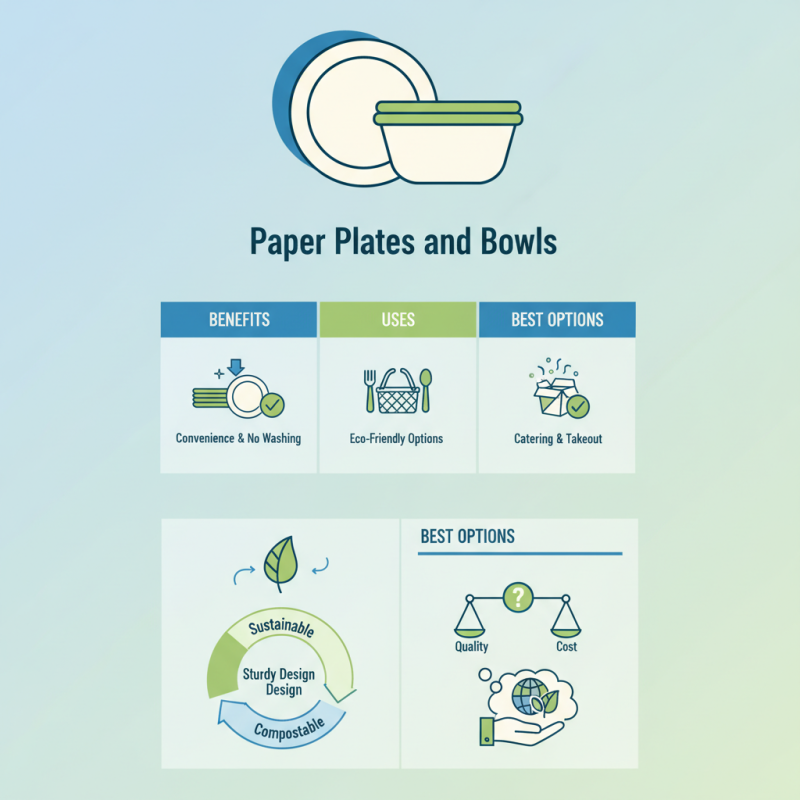
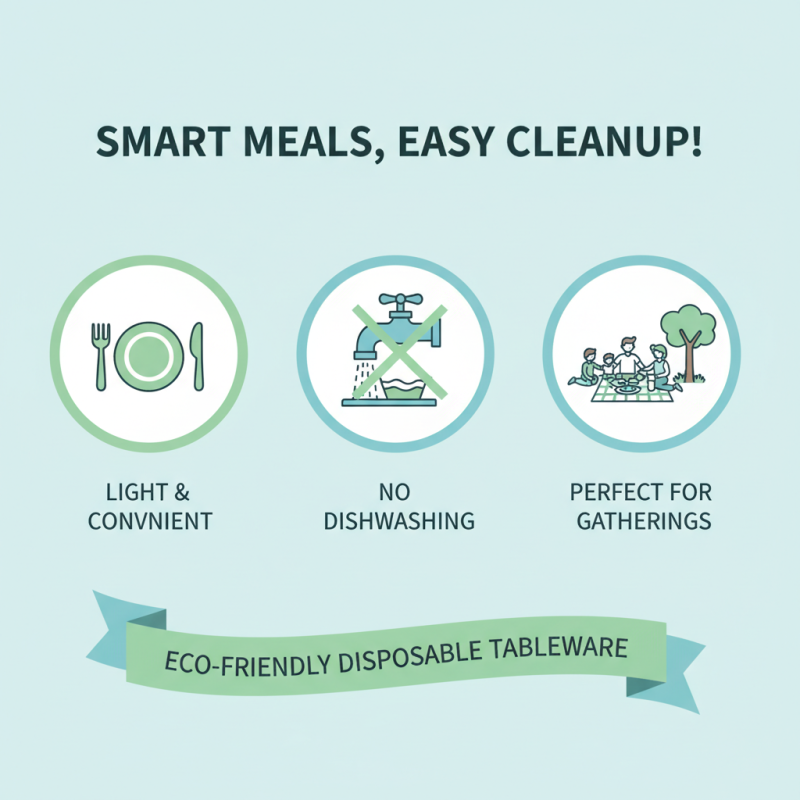
Using paper plates and bowls for everyday meals brings several benefits worth considering. They are lightweight and convenient. You can easily dispose of them after a meal, saving time on dishwashing. Perfect for family gatherings, barbecues, or picnics, they cut down on clean-up. Imagine hosting a picnic in the park. You enjoy your food without worrying about bringing back a pile of dirty dishes.
Another advantage is their eco-friendliness. Many paper products are recyclable or compostable. This option appeals to those aiming for sustainability. While they may not handle hot liquids as well as ceramic, they are sufficient for most meals. There can be concerns about their durability. Some users find that they bend or tear easily with heavier food. It’s essential to choose products that can handle your meal choices. Being mindful of these details ensures a better experience.
When comparing paper plates and bowls to plastic ones, the environmental impact is significant. Paper products are generally derived from renewable resources. They can biodegrade, unlike plastic, which takes centuries to break down. This difference can greatly reduce landfill waste. Choosing paper can lessen pollution in oceans and landfills.
However, not all paper plates are created equal. Some contain harmful components that can lessen their environmental benefits. It’s crucial to check for certifications that indicate sustainable sourcing. Opt for options labeled as compostable or made from recycled materials.
Tips: Always consider the entire lifecycle of the product. Think about whether the production process is sustainable. Also, be mindful of your local disposal options. If composting is available in your area, this is the best way to dispose of paper plates. Keep in mind that convenience shouldn’t overshadow environmental responsibility.
| Feature | Paper Plates & Bowls | Plastic Plates & Bowls |
|---|---|---|
| Biodegradability | Yes, compostable | No, takes hundreds of years |
| Environmental Impact | Lower carbon footprint | Higher carbon footprint |
| Durability | Moderate, not leak-proof | High, durable and leak-proof |
| Cost | Generally cheaper | Generally more expensive |
| Uses | Picnics, parties, eco-friendly events | Fast food, takeout, durable catering |
| Recycling | Limited, if contaminated | Can be recycled, if clean |
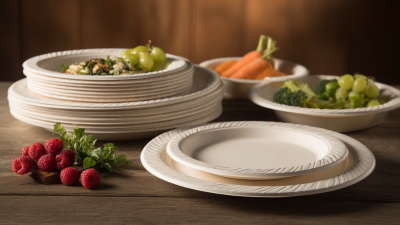
When it comes to disposable tableware, paper plates and bowls have distinct advantages. They are lightweight and convenient for various occasions. Most importantly, they are often biodegradable, making them an eco-friendlier option compared to plastic. These items come in different sizes and designs, making them suitable for everything from casual picnics to formal events.
Different types of paper plates and bowls exist. Some are plain and simple, while others feature colorful prints and patterns. There are also options with compartments, ideal for keeping food items separate. Additionally, heavyweight varieties are useful for serving hot foods without leaking. However, with so many choices, it can be overwhelming. One might struggle to find the perfect product for specific needs.
While paper dishes are practical, they have limitations. They can become soggy when holding wet foods. It’s also crucial to check for recyclability, as not all brands use recyclable materials. Though many manufacturers strive for sustainability, the risk of excess waste remains. Carefully considering your selection is essential for both convenience and environmental impact.
Paper plates and bowls offer practical solutions for various settings. They are particularly useful for outdoor gatherings. Think of a sunny picnic or a crowded barbecue. Using disposable dinnerware simplifies cleanup. There's no need to worry about washing dishes afterward. Just toss them away!
In indoor settings, paper plates and bowls shine during casual events. Birthday parties, family reunions, or game nights can sometimes get messy. Having these plates can take the stress off. You can focus on enjoying the moment. Additionally, they can hold a variety of foods, from salad to desserts.
However, there are downsides. Not all paper options are sturdy enough for heavy foods. Sometimes they can soak through. It’s worth considering the type of food served. Would clear, plastic or compostable options be better for your needs? Rethinking choices can make a significant difference. Hence, weighing the pros and cons is essential.
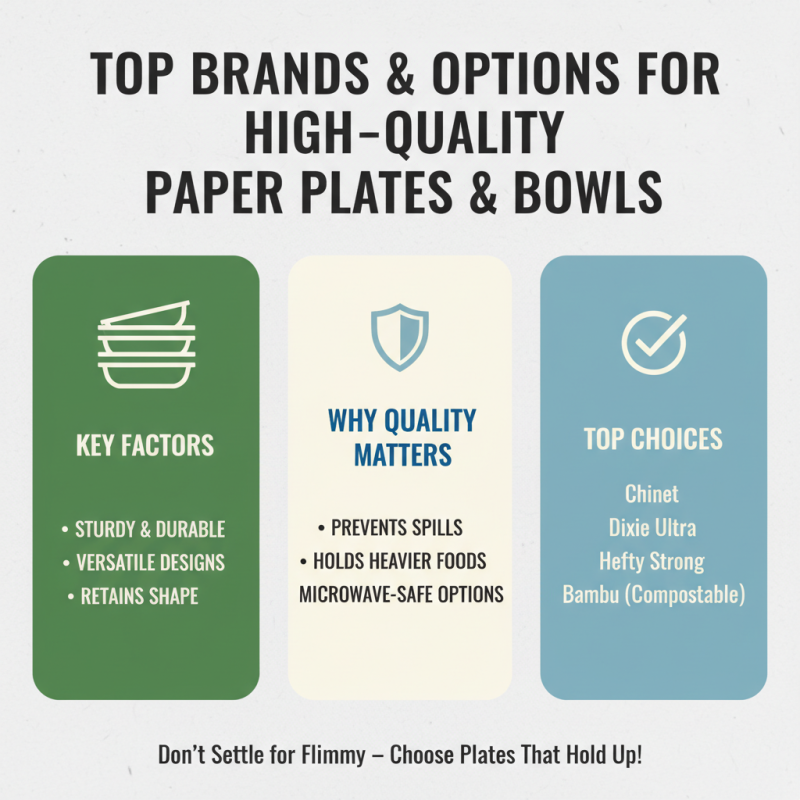
When it comes to choosing high-quality paper plates and bowls, several factors come into play. Many people seek products that are sturdy and versatile. Not all options provide the same level of durability. Some can easily buckle under the weight of food, while others can hold their shape.
A few brands stand out for their eco-friendly materials. These products not only appeal to the environmentally conscious but also serve practical purposes. They are often microwavable and soak-proof, making them ideal for diverse meal types. However, the variety can be overwhelming. Certain products may claim to be biodegradable but lack the quality needed for everyday use.
Finding the right balance in features is key. Look for plates and bowls that can handle both casual picnics and formal gatherings. And keep in mind this is not a one-size-fits-all choice. Reflect on how often you use these items and for what purpose. Your ideal option may not be the most expensive. Sometimes, you need to test a few to find the perfect fit.