Top Benefits of Cardboard Food Packaging Boxes for Your Business?
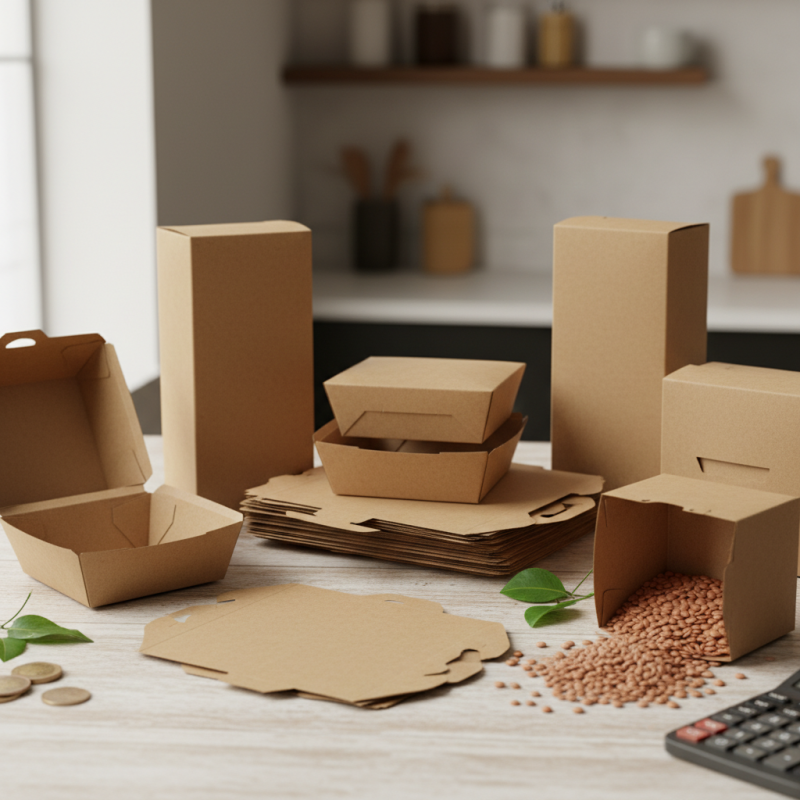
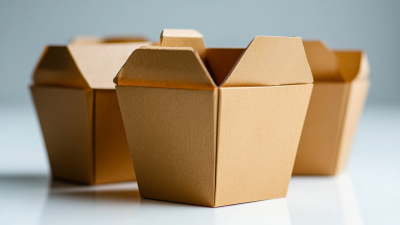
In today's fast-paced market, businesses seek innovative solutions. Cardboard Food Packaging Boxes have emerged as a popular choice. They offer a blend of durability, eco-friendliness, and cost-effectiveness.
These boxes are lightweight yet sturdy, protecting food items during transport. They can be customized to reflect a brand's identity. Many businesses are tapping into sustainable packaging, aligning their values with customer preferences. However, not all options are created equal.
Some companies struggle to find the right balance between aesthetics and function. While investing in quality packaging is important, budget constraints may limit choices. Cardboard Food Packaging Boxes can still provide an effective solution by being economical and environmentally responsible. It's essential to reflect on how packaging influences customer experience and brand reputation.
Environmental Sustainability of Cardboard Food Packaging
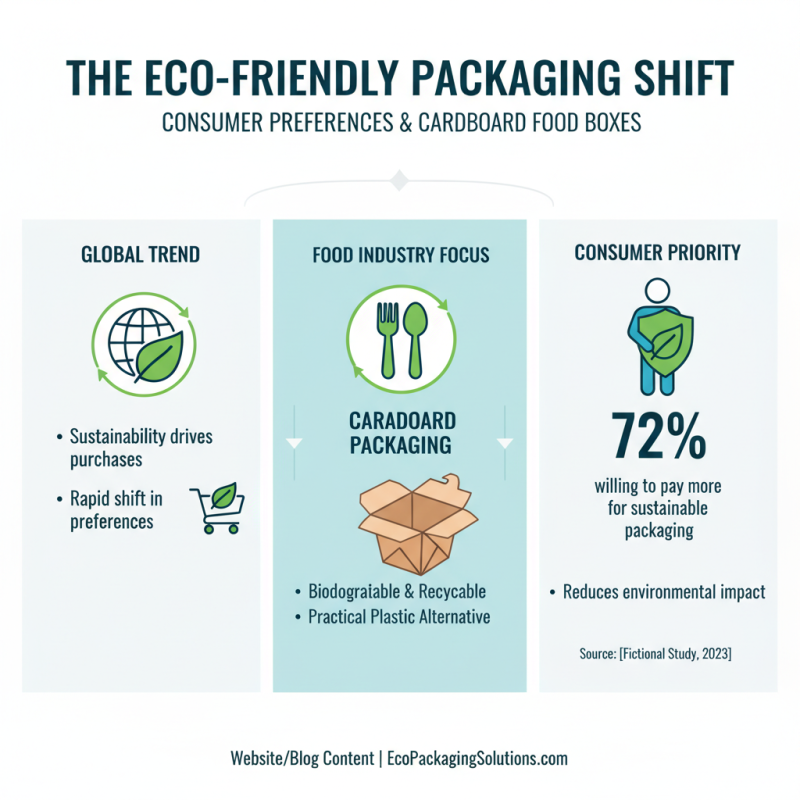
Cardboard food packaging has gained popularity for its environmental benefits. Studies show that 70% of consumers prefer sustainable packaging. Cardboard is biodegradable and recyclable. This significantly reduces landfill waste. Switching to cardboard can cut a company's carbon footprint by up to 30%.
Many restaurants are now adopting cardboard packaging to meet consumer demands. Cardboard production uses less energy compared to plastic. Reports indicate that 50% less energy goes into creating cardboard boxes than plastic alternatives. This switch can enhance a brand’s reputation, attracting environmentally conscious customers.
However, not all cardboard is created equal. Some manufacturers still use harmful chemicals in their production. Consumers are becoming increasingly aware and critical of these practices. Businesses must ensure that their cardboard sources are safe and sustainable. Transparency about sourcing will build trust and encourage more customers to choose environmentally friendly options.
Top Benefits of Cardboard Food Packaging Boxes for Your Business
Cost-Effectiveness of Using Cardboard Food Packaging Boxes
The cost-effectiveness of using cardboard food packaging boxes is a significant factor for businesses today. According to industry reports, cardboard packaging can reduce shipping costs by up to 20%. This is critical for food businesses looking to enhance their profit margins. Cardboard boxes are lightweight, making them cheaper to transport. This simple feature can lead to substantial savings over time.
Moreover, cardboard is recyclable. A study shows that over 80% of consumers prefer brands that use sustainable materials. Using cardboard boxes aligns with this consumer mindset. This choice not only decreases waste but also enhances brand loyalty. The initial investment may seem higher, but in the long run, these boxes can minimize waste disposal fees.
However, businesses must consider durability. Not all cardboard boxes are equally strong. Weak packaging can lead to product damage, resulting in financial loss. It’s essential to find the right balance between cost and quality. Further investments in robust packaging could ensure that food products reach consumers intact, ultimately saving more money.
Branding Opportunities with Custom Cardboard Packaging
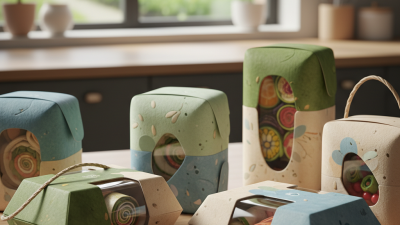
Custom cardboard packaging offers unique branding opportunities for businesses. According to a 2021 study by the Packaging Association, nearly 72% of consumers feel that packaging design influences their purchase decisions. Eye-catching designs on cardboard boxes enhance brand recognition and can create a memorable unboxing experience. This is essential for online sales, where first impressions matter.
Using environmentally friendly cardboard can also resonate with eco-conscious consumers. A survey by EcoWatch indicated that 63% of consumers prefer brands that use sustainable packaging. Custom designs that highlight sustainability not only attract these consumers but also improve brand loyalty. Companies can use specific colors and graphics to convey their values.
However, the creative process is not always perfect. Balancing aesthetics and functionality can be challenging. Sometimes the design may overshadow practical aspects, leading to packaging that doesn’t protect the product well. This can result in damaged goods and dissatisfied customers. Reflecting on design choices ensures both branding and product safety are prioritized.
Top Benefits of Cardboard Food Packaging Boxes for Your Business
| Benefit |
Description |
Impact on Business |
| Sustainability |
Cardboard is recyclable and biodegradable, reducing the environmental impact. |
Enhances brand image and attracts eco-conscious consumers. |
| Customization |
Available in various shapes, sizes, and designs for branding opportunities. |
Allows for unique marketing strategies and product differentiation. |
| Cost-Effectiveness |
Lower material and shipping costs due to lightweight nature. |
Improves overall profit margins. |
| Product Protection |
Provides excellent protection during shipping and handling. |
Reduces product damage and returns, maintaining customer satisfaction. |
| Versatility |
Suitable for a wide range of food products, from fresh to dry goods. |
Adaptable packaging options fit diverse business needs. |
Versatility and Adaptability of Cardboard Food Packaging
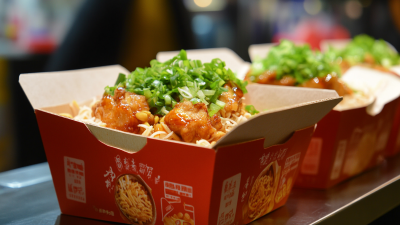
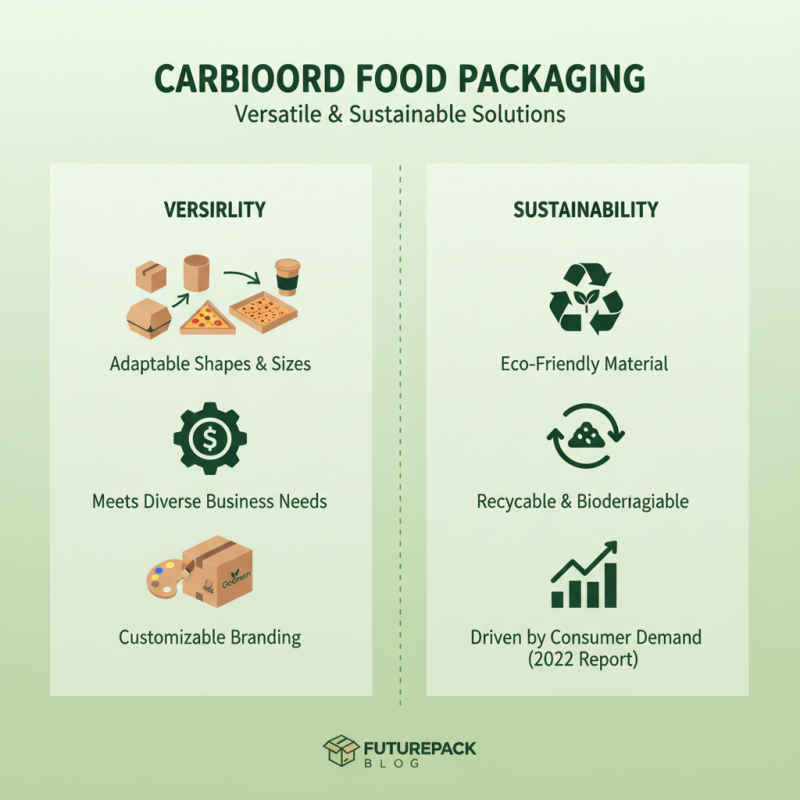
Cardboard food packaging boxes are incredibly versatile. They can be molded into various shapes and sizes to meet diverse business needs. In 2022, Market Research Future reported that the demand for sustainable packaging solutions soared. This is largely due to consumers' growing preference for eco-friendly materials. Cardboard stands out because it's both recyclable and biodegradable. Many businesses find it easy to customize cardboard packaging with printed designs that reflect their brand.
Adaptability is a key feature of cardboard boxes. They can hold various food items, from snacks to full meals. This flexibility allows restaurants and food delivery services to tailor their packaging. A study by Smithers Pira indicated that the global market for cardboard packaging is expected to grow to $300 billion by 2026. However, challenges remain, like ensuring durability during transport. Many companies need to focus on improving the strength of their packaging to prevent damage.
Despite their benefits, some businesses hesitate to switch to cardboard. They worry about moisture and leakage. However, advancements in coating technologies are addressing these fears. A report by Allied Market Research highlighted that the specialty food packaging segment is booming. As more companies pursue sustainability, cardboard food packaging will play a vital role in their strategies.