The rise of the food delivery and meal prep industry has significantly transformed consumer behavior, leading to a surge in demand for efficient and practical Fast Food Containers. According to recent industry reports, the global food container market is projected to reach $101.9 billion by 2026, reflecting a compound annual growth rate (CAGR) of 4.3%. This growth is driven by the increasing popularity of on-the-go meals, where convenience and functionality are paramount for busy lifestyles.
Fast Food Containers not only cater to the needs of consumers seeking hassle-free meal solutions but also play a crucial role in maintaining food quality and safety. A study conducted by the Food Packaging Institute revealed that nearly 70% of consumers consider packaging a vital factor in their food purchasing decisions. As restaurants and meal prep services look to enhance customer experience, investing in high-quality Fast Food Containers that are both eco-friendly and efficient can serve as a competitive advantage in an increasingly crowded market.
Moreover, the environmental impact of packaging choices is becoming more pronounced, with 53% of consumers expressing a preference for sustainable container options. As manufacturers innovate in creating durable and recyclable materials, the demand for Fast Food Containers that align with eco-conscious values is expected to rise. In this context, understanding the best options available becomes essential for both food industry professionals and consumers aiming to streamline their meal experiences.
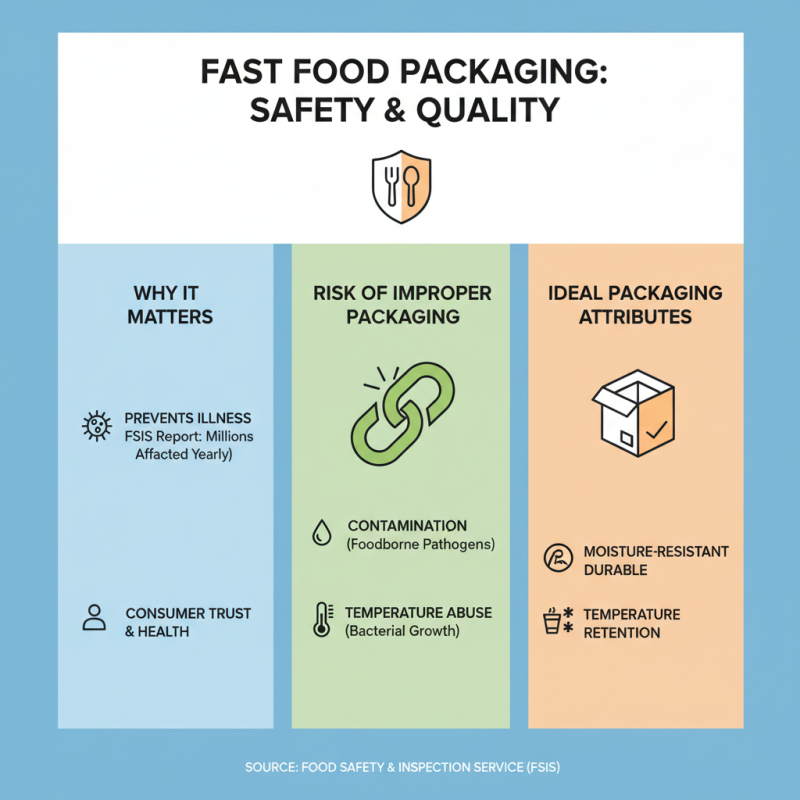
The importance of food safety and quality in fast food packaging cannot be overstated, particularly as the demand for convenient takeout and meal prep continues to rise. According to a report by the Food Safety and Inspection Service, improper packaging can lead to significant foodborne illness outbreaks, affecting millions each year. As such, fast food containers must not only be user-friendly but also designed to minimize contamination risks. Ideal packaging materials should be moisture-resistant, durable, and capable of maintaining the temperature of the food, ensuring that meals remain safe and appealing from the point of sale to the consumer's table.
To enhance food safety, it’s crucial for operators to consider the environmental factors that might compromise food quality. For instance, rapid temperature changes can lead to a decline in the integrity of the meal. Utilizing insulated containers can help maintain food temperatures, while tight-sealing lids can reduce the risk of cross-contamination.
Tips for ensuring food safety include always checking for any visible damage to containers before use and opting for products made from food-safe materials approved by regulatory bodies. Additionally, training staff on best practices for handling and packaging food can significantly reduce the risk of contamination. Ultimately, investing in high-quality packaging solutions not only safeguards public health but also boosts customer satisfaction by preserving the taste and quality of the meals.
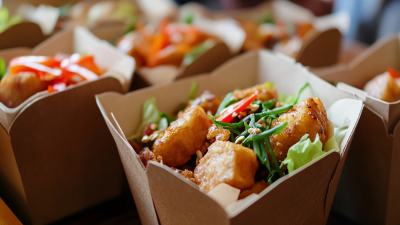
Fast food containers play a crucial role in the convenience of takeout and meal preparation. The materials used in these containers can significantly affect food safety, environmental impact, and the overall consumer experience. Common materials include plastic, paper, and aluminum. Each of these has distinct characteristics that make them suitable for specific types of food and serving methods.
Plastic containers are favored for their durability and leak-resistance, ensuring that liquids and sauces remain contained during transport. However, there are concerns about the long-term environmental impact of plastic, particularly single-use items, which can contribute to pollution. In response, many brands are now exploring biodegradable and compostable options that offer similar functionality while being more eco-friendly.
Paper containers are another popular choice, especially for items like burgers, sandwiches, and fries. They are generally lightweight and can be treated for moisture resistance. Yet, their capacity to withstand heat may vary, which is an essential factor when considering hot food items. Aluminum containers, on the other hand, provide excellent insulation and are ideal for hot meals, but they are also subject to recycling challenges due to the layered coatings that can complicate the process. Understanding the materials used in fast food containers is essential for making informed choices that align with both convenience and environmental responsibility.
When it comes to meal prep, having the right containers can make all the difference in keeping your food fresh and organized. The best fast food containers are not only designed for takeout but also cater to the needs of meal prepping, ensuring that your meals stay intact and flavorful. Look for options that are microwave-safe, leak-proof, and easy to stack, making them ideal for storing various dishes.
One feature to consider is the material of the container. BPA-free plastic and glass options are popular since they are durable and safe for heating. Additionally, containers with compartments are great for portion control and keeping ingredients separate, especially for salads and mixed dishes. This not only enhances the presentation of your meals but also ensures that flavors don't meld together before you're ready to eat.
**Tips:** When choosing containers, opt for those with tight-sealing lids to prevent spills during transportation. Consider getting a variety of sizes to accommodate different meal types, from snacks to full dinners. Lastly, always label your containers with the meal date to keep track of freshness, making sure your meal prep remains efficient and enjoyable.
As consumer awareness around environmental issues continues to rise, the fast food industry is experiencing a significant shift towards sustainability in packaging. According to a report by the Food Packaging Institute, approximately 65% of consumers prefer to buy from brands that prioritize eco-friendly packaging solutions. This shift is not just a trend, but a response to growing demands for responsible practices in the food industry. Fast food companies are increasingly adopting materials that are recyclable, biodegradable, or compostable, aiming to reduce their carbon footprint and appeal to environmentally conscious customers.
The impact of these sustainability trends on consumer behavior is notable. A survey from the National Restaurant Association indicated that 73% of consumers are willing to pay more for meals served in sustainable packaging. This increasing demand is prompting fast food chains to invest in innovative materials and designs that align with their customers’ values. From plant-based fibers to edible packaging, the industry is exploring various avenues to enhance sustainability while ensuring convenience in takeout and meal prep. These changes not only address consumer preferences but also signify a crucial evolution in the fast food sector towards a more sustainable future.
When evaluating fast food containers, cost efficiency plays a pivotal role in determining the best options for takeout and meal prep. Different materials and designs can significantly influence both the price and functionality of these containers. For instance, disposable containers made from plastic are often cheaper upfront but generate additional costs through waste management and environmental concerns. In contrast, reusable containers may require a higher initial investment; however, their durability and sustainable nature can result in long-term savings, especially for businesses prioritizing eco-friendly practices.
Moreover, the size and functionality of fast food containers contribute to their overall cost efficiency. Containers that offer compartmentalized sections may reduce food wastage by allowing consumers to portion their meals appropriately, ultimately leading to more satisfactory dining experiences and less food being thrown away. Additionally, features such as leak-proof lids or microwave-safe materials can also justify higher price points, ensuring that the food remains secure and maintains its quality during transport.
By weighing these factors, consumers can make informed decisions that not only meet their immediate eating needs but also align with their financial and environmental goals.