How to Choose the Best Disposable Boxes for Food Packaging?
In today's fast-paced food industry, the choice of packaging plays a pivotal role. Disposable boxes for food must not only ensure product safety but also enhance consumer experience. According to a report by Grand View Research, the global food packaging market is expected to reach $400 billion by 2025. The rising demand for convenience drives the need for well-designed disposable boxes.
Expert in the field, Dr. Alice Fortier, emphasizes, “The right packaging is essential for maintaining food quality and meeting regulatory standards.” When selecting disposable boxes for food, factors like material type, size, and environmental impact should be considered. Many businesses often overlook the importance of sustainability, yet studies show that 70% of consumers prefer eco-friendly packaging.
Not all disposable boxes are created equal. Some may fail to withstand various food types or temperature changes. Therefore, reflecting on packaging choices can lead to better customer satisfaction. Consumers are becoming increasingly discerning, and brands that invest in quality disposable boxes for food can greatly benefit.
Understanding the Different Types of Disposable Food Boxes
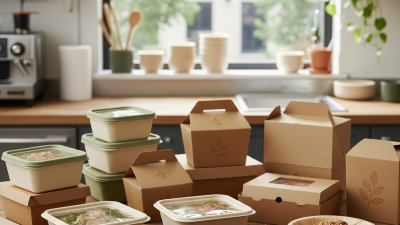
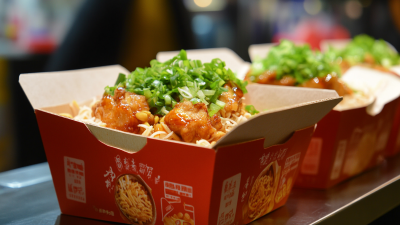
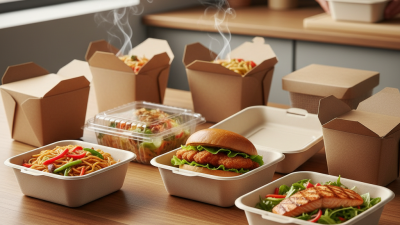
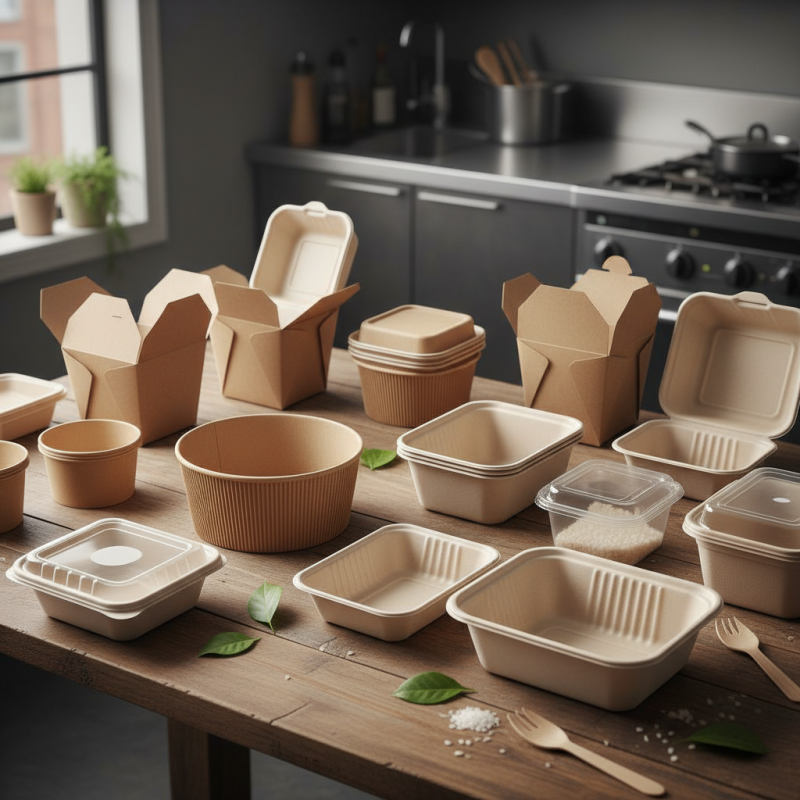
When selecting disposable food boxes, it's crucial to understand the different types available. Various options cater to specific food items, impacting both functionality and presentation. For instance, takeout containers are ideal for pasta or rice dishes, while clamshell boxes work well for sandwiches and salads. Each type has its unique features that can enhance the customer experience.
Tips: Consider the size and shape of the food. A snug fit prevents spillage and makes the box easier to stack. Eco-friendly materials are becoming popular, reflecting a commitment to sustainability. This choice may influence customers’ decisions positively.
Not all disposable boxes perform equally. Some may leak or fail to retain heat, affecting food quality during delivery. It's essential to test samples before making bulk purchases. Focus on the effectiveness of the closure. A poor seal can ruin the entire dining experience. Remember, the right box not only holds food; it also promotes your brand's image.
Evaluating Materials: Cardboard, Plastic, and Biodegradable Options
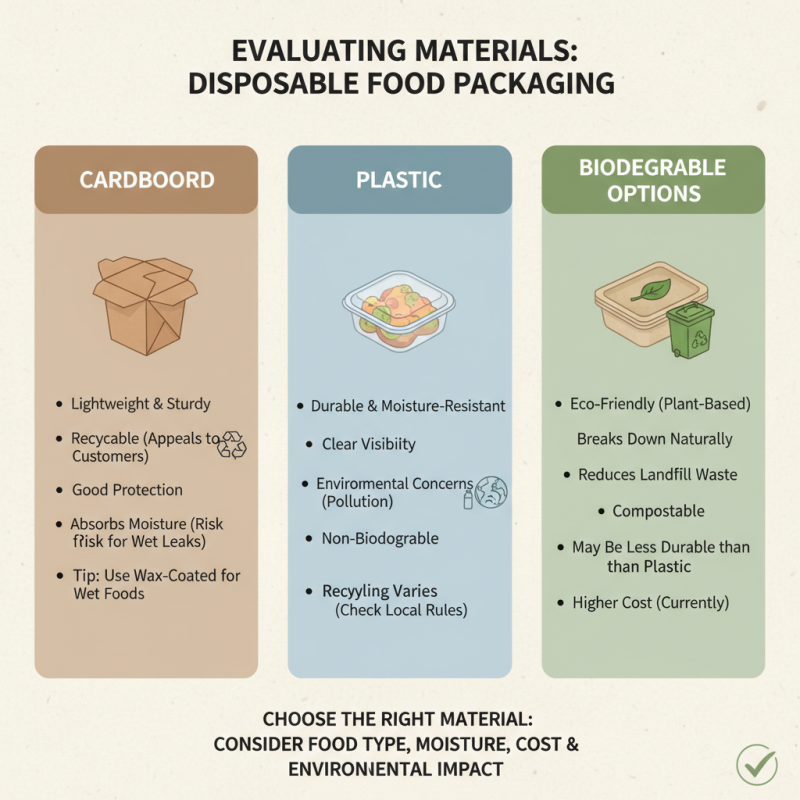
Choosing the right disposable boxes for food packaging involves considering various materials. Cardboard is a popular option. It is lightweight and sturdy, providing good protection. Many customers appreciate its recyclability. However, cardboard can absorb moisture, affecting the food inside. Consider using wax-coated cardboard for items that may leak.
Plastic containers offer flexibility and durability. They can keep food fresh and prevent spills. However, concerns about plastic waste are growing. Single-use plastics can take centuries to decompose. Try to choose recyclable plastic whenever possible.
Biodegradable options are becoming more common. These materials break down faster than conventional plastics. They appeal to environmentally conscious consumers. Yet, some biodegradable options may not hold up under certain conditions. It's essential to evaluate the intended use. Each material has pros and cons that should be weighed carefully during the selection process.
Assessing the Size and Volume Requirements for Your Food Items
Choosing the right size and volume for your disposable food packaging is crucial. It can impact the freshness and presentation of your food items. Consider the dimensions of your food items first. Measure the length, width, and height. Even small discrepancies can lead to wasted space or excess pressure during transport.
Assess the quantity of food you plan to package. A single serving of salad requires less space than a family-sized portion of pasta. It's important to think about how customers will use the packaging. A box too large can result in messy handling. Similarly, a box that's too small may compromise the food's integrity.
Materials also play a role in determining the right size. Some materials may not provide enough support for heavier items. It’s a delicate balance between aesthetics and functionality. Rethink your existing sizes based on customer feedback and sales trends. Sometimes the smallest adjustments lead to big improvements.
Considering Temperature Resistance and Insulation Features
When selecting disposable boxes for food packaging, temperature resistance and insulation features play critical roles. The right packaging ensures that food stays fresh, hot, or cold during transport. Some materials insulate better than others. Choosing a box that can withstand temperature variations protects food from spoilage.
Consider boxes made from materials like foam or specialized paper. These often provide effective insulation against heat. If delivering hot meals, ensure the box can maintain temperature for at least an hour. Cold items benefit from moisture-resistant boxes that keep condensation at bay.
**Tips:** Always test a few options to see which best maintains your food's temperature. Evaluate the material's strength, too. A durable box prevents leaks and prevents contamination. Lastly, consistently seek feedback from customers. This will help refine your packaging choices over time.
Temperature Resistance and Insulation Features of Disposable Food Packaging
Exploring Design and Branding Opportunities in Food Packaging
In food packaging, design and branding significantly impact consumer choices. Research shows that 72% of consumers form their first impression based on packaging design. Attractive packaging can set a product apart in a crowded market. It communicates quality and value, influencing purchasing decisions. Sustainable packaging options are increasingly in demand, with 66% of consumers willing to pay more for eco-friendly designs.
Color, typography, and graphics play a crucial role in branding. A study found that color increases brand recognition by up to 80%. However, not every design resonates with consumers. Sometimes, overly complex designs may confuse rather than attract. It's important to balance creativity with clarity.
Moreover, the material of disposable boxes affects branding. A robust, high-quality box sends a message of reliability. Yet, using low-quality materials can deter customers. Experts recommend feedback loops to refine packaging designs. Customer opinions often reveal crucial insights into preferences, leading to better design choices. Engaging with consumers in this way can enhance brand loyalty and trust.
How to Choose the Best Disposable Boxes for Food Packaging? - Exploring Design and Branding Opportunities in Food Packaging
| Dimension |
Material |
Eco-Friendliness |
Design Opportunities |
Cost Range (per unit) |
| Small (4x4x2 inches) |
Kraft Paper |
Biodegradable |
Custom Printing Available |
$0.20 - $0.40 |
| Medium (6x6x3 inches) |
PP Plastic |
Recyclable |
Labeling Options |
$0.30 - $0.60 |
| Large (8x8x4 inches) |
Sugarcane Pulp |
Compostable |
Full-Color Print |
$0.50 - $1.00 |
| Extra Large (10x10x5 inches) |
Bamboo |
Sustainable |
Printable Inserts |
$0.80 - $1.50 |