2025 How to Choose the Best Disposable Packaging Boxes for Your Business
In today's fast-paced market, the choice of packaging can significantly impact a business's success and reputation. One crucial element that every entrepreneur should consider is the selection of Disposable Packaging Boxes. These boxes not only provide a practical solution for storing and transporting products but also play a vital role in enhancing brand image and ensuring customer satisfaction. As consumers increasingly prioritize convenience and sustainability, understanding how to choose the best disposable packaging is essential for any business looking to thrive in a competitive environment.
When opting for Disposable Packaging Boxes, businesses must evaluate various factors, including material quality, design, and environmental impact. Selecting the right packaging goes beyond mere aesthetics; it influences the overall customer experience and can affect purchase decisions. By analyzing the specific needs of your products and customers, you can make informed choices that align with your brand values and operational goals. This guide aims to provide insights and considerations to help you navigate the selection process effectively, ensuring that your disposable packaging not only meets functional requirements but also resonates with your target audience.
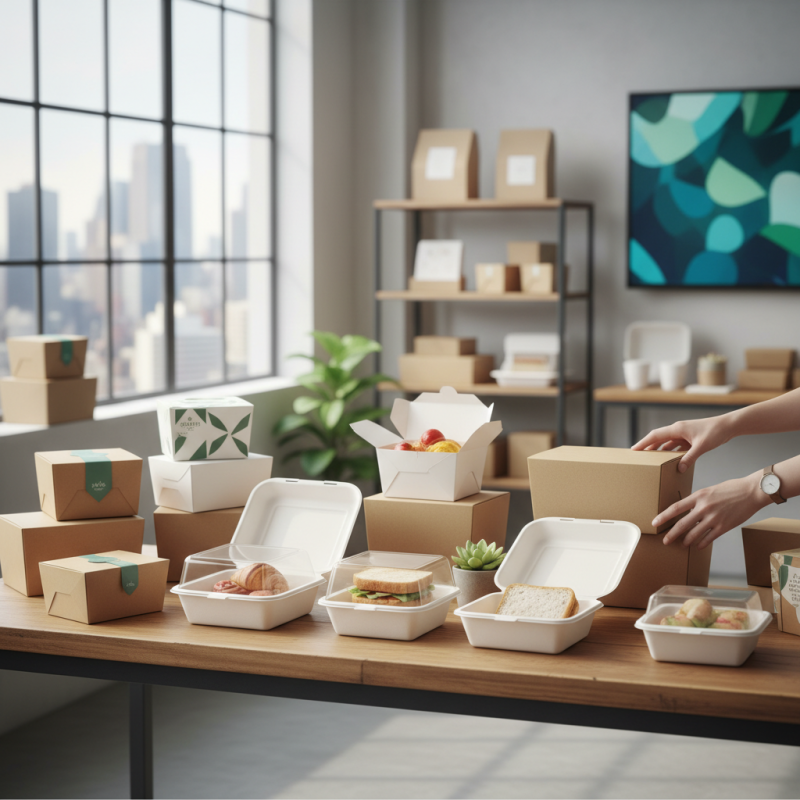
Understanding the Importance of Disposable Packaging Boxes in 2025
In 2025, the role of disposable packaging boxes has become increasingly crucial for businesses seeking
efficiency and sustainability. As consumer preferences shift towards convenience and eco-friendliness, businesses must recognize the value of using
disposable packaging that not only meets these demands but also enhances their brand image. By selecting biodegradable
and recyclable materials, companies can effectively reduce their environmental footprint while appealing to environmentally conscious consumers.
This not only leads to increased customer loyalty but also positions businesses as responsible and forward-thinking
entities in an ever-competitive market.
Understanding the importance of disposable packaging goes beyond just functionality; it is also about meeting regulatory requirements
and staying ahead of industry trends. In a world where hygiene and safety are paramount, especially in food service and healthcare sectors,
high-quality disposable packaging ensures that products remain uncontaminated and safe for use. Furthermore, the design and branding potential of
disposable boxes should not be overlooked, as attractive packaging can significantly impact consumer buying decisions.
Therefore, in 2025, selecting the right disposable packaging boxes transcends mere practicality; it is a strategic move that aligns
with consumer values while promoting sustainable practices.
Key Factors to Consider When Choosing Disposable Packaging Solutions
When selecting disposable packaging boxes for your business, several key factors should guide your decision-making process. First and foremost, consider the material of the packaging. The choice between options like paper, plastic, or biodegradable materials can significantly impact your brand image and sustainability goals. Opting for eco-friendly materials demonstrates a commitment to environmental responsibility, which can attract customers who prioritize sustainability in their purchasing decisions.
Another crucial factor is the design and functionality of the packaging. The boxes should not only be aesthetically pleasing but also practical for your product’s requirements. Consider the dimensions, strength, and sealing mechanisms to ensure that the packaging effectively protects the products during transit and display. Additionally, evaluate whether the packaging can be customized to reflect your brand identity and stand out in a competitive market.
Lastly, price and availability are important; establishing a reliable supplier who offers competitive pricing without compromising quality is essential for maintaining your business’s profitability.
Analyzing Material Types for Best Performance in Disposable Packaging
When selecting disposable packaging boxes for your business, understanding the various material types is crucial for achieving optimal performance. The most common materials used in disposable packaging include paperboard, plastic, and biodegradable options. Each material has its strengths and weaknesses, making it essential to analyze what will work best for your specific needs.
For instance, paperboard is often favored for its recyclability and printability, providing an eco-friendly option that can effectively showcase branding and product information. Its lightweight nature also reduces shipping costs, making it an appealing choice for businesses focused on sustainability.
On the other hand, plastic packaging offers durability and moisture resistance, ideal for products that require protection during transit. While traditional plastics pose environmental concerns, many manufacturers are now producing recyclable or compostable variants that can help mitigate their ecological impact.
Biodegradable materials are rapidly gaining popularity as they decompose more effectively in the environment, aligning with the growing consumer demand for sustainable packaging solutions. Understanding the unique properties of each material type allows businesses to make informed decisions that align with their brand values while also meeting the functional requirements of their products.
Assessing Environmental Impact and Sustainability in Packaging Choices
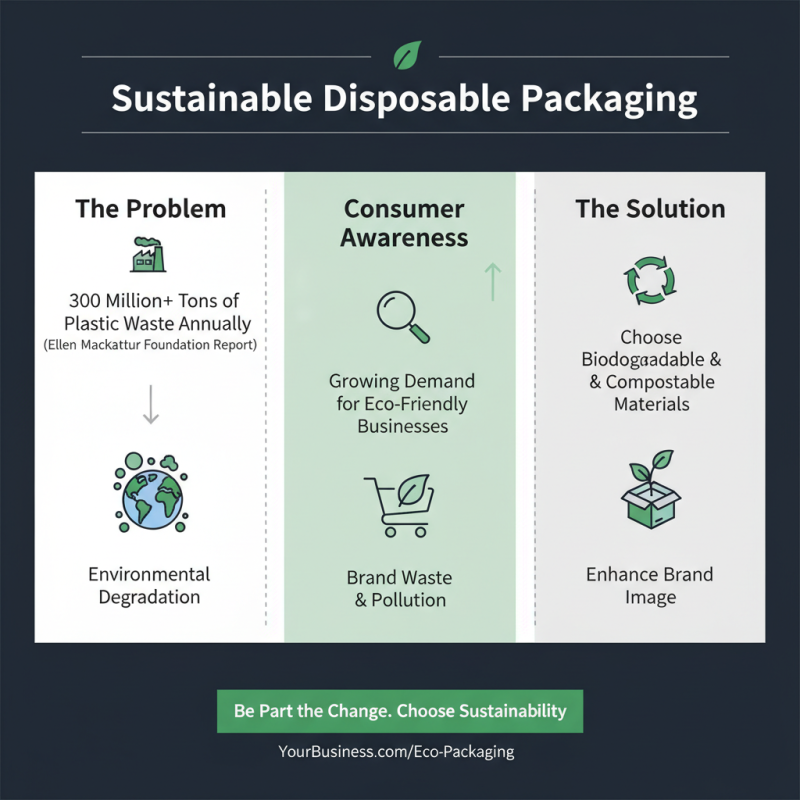
When selecting disposable packaging boxes for your business, it's essential to prioritize environmental impact and sustainability. According to a recent report from the Ellen MacArthur Foundation, the global economy produces over 300 million tons of plastic each year, with a significant portion contributing to environmental degradation. As consumers become increasingly aware of these issues, businesses face pressure to adopt sustainable practices. Opting for biodegradable or compostable packaging materials not only reduces waste but can also enhance brand reputation among eco-conscious customers.
Moreover, the sustainability of packaging choices can significantly influence a business's bottom line. A study published by Smithers Pira indicates that the green packaging market is projected to grow to $1 trillion by 2027, driven by the demand for sustainable solutions in various industries. By integrating environmentally friendly packaging options, companies can reduce their carbon footprint and align with global sustainability goals, which is increasingly necessary in today's market landscape. Investing in packaging innovations such as plant-based materials or recycled content can serve as a competitive advantage while helping to foster a circular economy.
Cost-Effectiveness: Balancing Quality and Pricing in Packaging Decisions
When it comes to selecting disposable packaging boxes for your business, cost-effectiveness is a crucial factor that requires careful consideration. Balancing quality with pricing ensures that you not only meet customer expectations but also maintain healthy profit margins. Opting for lower-cost packaging might seem appealing initially, but poor quality can lead to customer dissatisfaction, product damage, and ultimately, loss of sales. Thus, conducting thorough research on materials and suppliers is essential to find a balance that suits your budget without compromising on the quality of packaging.
**Tips:** To maintain cost-effectiveness, consider bulk purchasing options, which can often lead to discounts. Additionally, evaluate the total cost of ownership, including shipping and storage costs, when selecting packaging materials. Also, using recyclable or biodegradable packaging can appeal to eco-conscious consumers and potentially enhance your brand’s reputation, leading to higher customer loyalty in the long run.
Another aspect to consider is the customization of your packaging. While custom boxes can be more expensive upfront, they can increase perceived value and enhance brand recognition. Ensure to analyze how customization might impact your overall budget and whether the potential return on investment justifies the costs. By carefully evaluating your options and making informed decisions, you can achieve a sustainable balance between quality and pricing in your packaging strategy.