How to Choose the Best Recycled Paper Plates in 2026?
In recent years, the demand for eco-friendly products has surged. Choosing the right Recycled Paper Plates is an essential task for environmentally conscious consumers. With numerous brands and options available, navigating this market can feel daunting. Many people may overlook critical details when selecting these plates, leading to unsatisfactory purchases.
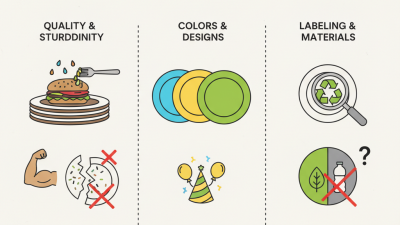
Recycled Paper Plates come in various styles and qualities. Some are sturdy, while others easily bend or break. Not all recycled options are created equal. It's crucial to read labels and verify certifications to ensure that the product meets your expectations. Many plates claim to be recycled but may contain low-quality materials.
It's also important to consider how you plan to use these plates. For casual picnics, lightweight options may suffice. However, for formal gatherings, sturdier plates are necessary. Evaluating your needs can prevent wasted resources and enhance your experience. Remember, the right choice requires careful thought and consideration, rather than just grabbing the first option you see.
Understanding Recycled Paper Plate Materials and Types in 2026
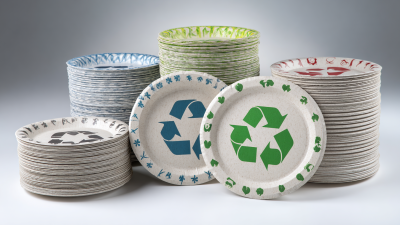
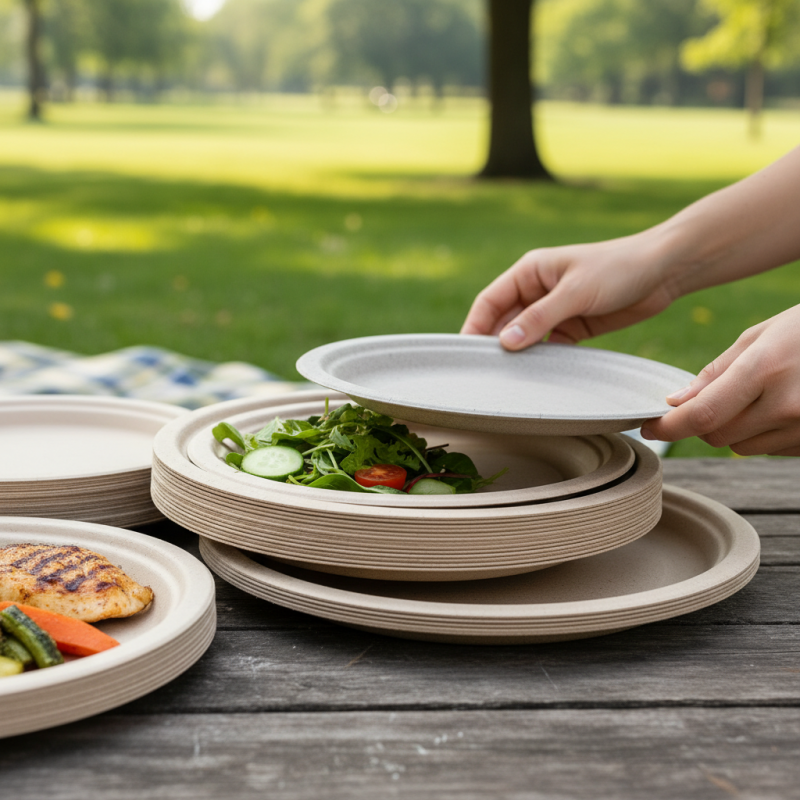
When selecting recycled paper plates, it is essential to understand the materials used. Many plates are crafted from post-consumer waste. This means they have been used and discarded, making them environmentally friendly. There are also options made from unbleached paper. Such materials retain a natural look and are less processed.
Types of recycled paper plates vary greatly. Some are sturdy enough for hot, oily foods, while others may not hold up as well. It’s important to assess their thickness and structural integrity. Compostable plates offer another sustainable choice, breaking down completely after use. However, they may not be suitable for all situations. Often, they can warp or lose shape.
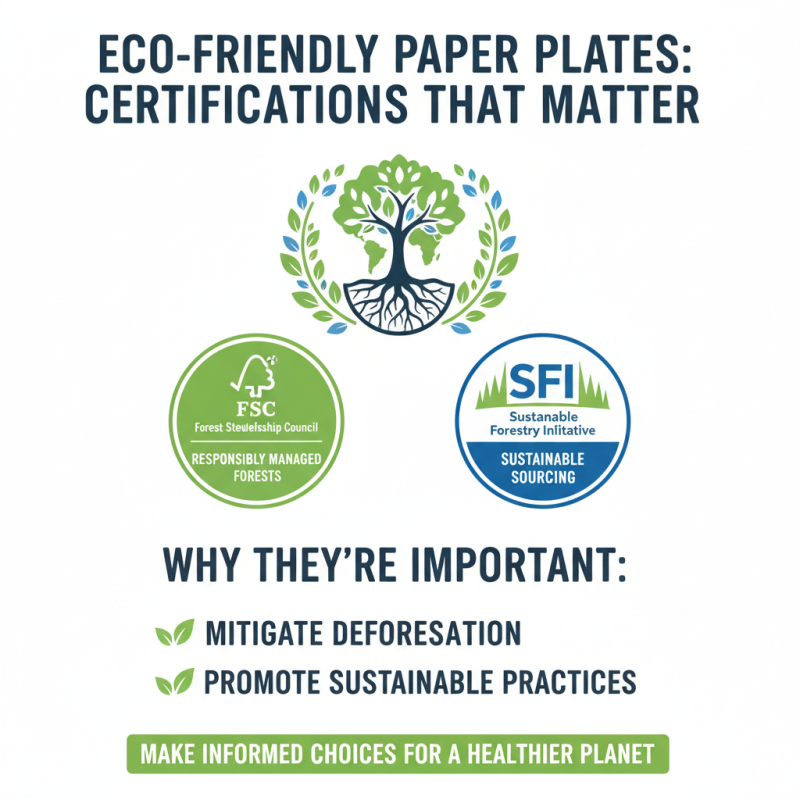
It’s crucial to consider the intended use. Casual events might require less durable plates, while formal gatherings need sturdier options. Make sure to check for certifications. This can help you choose reliable products. Remember, not all recycled plates are equal. Some may contain harmful substances or additives. Always read labels carefully to ensure safety.
Analyzing the Environmental Impact of Recycled Paper Plate Production
When selecting recycled paper plates in 2026, it's essential to understand their environmental impact. Producing recycled paper plates requires energy and resources. This means that not all options are equally eco-friendly. The process often involves water, chemicals, and transportation, which can contribute to pollution and carbon emissions.
Tips: Look for plates that are made from post-consumer paper. This utilizes waste that would otherwise end up in landfills. Check certifications. Reliable certifications can indicate sustainable practices. Additionally, consider the manufacturing location. Local production reduces transportation emissions.
While recycled paper plates can be a better choice than plastic, they are not perfect. Recycling processes can still generate waste. Some plates might not fully biodegrade. It's crucial to reflect on how we use disposable products. Embracing reusable options, where feasible, might offer better long-term benefits. Therefore, balancing convenience with sustainability is vital as we move towards greener choices.
How to Choose the Best Recycled Paper Plates in 2026? - Analyzing the Environmental Impact of Recycled Paper Plate Production
| Attribute |
Value |
| Average Weight of Plate (g) |
10-15 |
| Percentage of Post-Consumer Material (%) |
85 |
| Biodegradability Period (months) |
2-3 |
| Carbon Footprint (kg CO2 per 1000 plates) |
30 |
| Water Usage in Production (liters per 1000 plates) |
1500 |
| Recycling Potential (%) |
100 |
Comparing Durability and Performance of Recycled Paper Plates
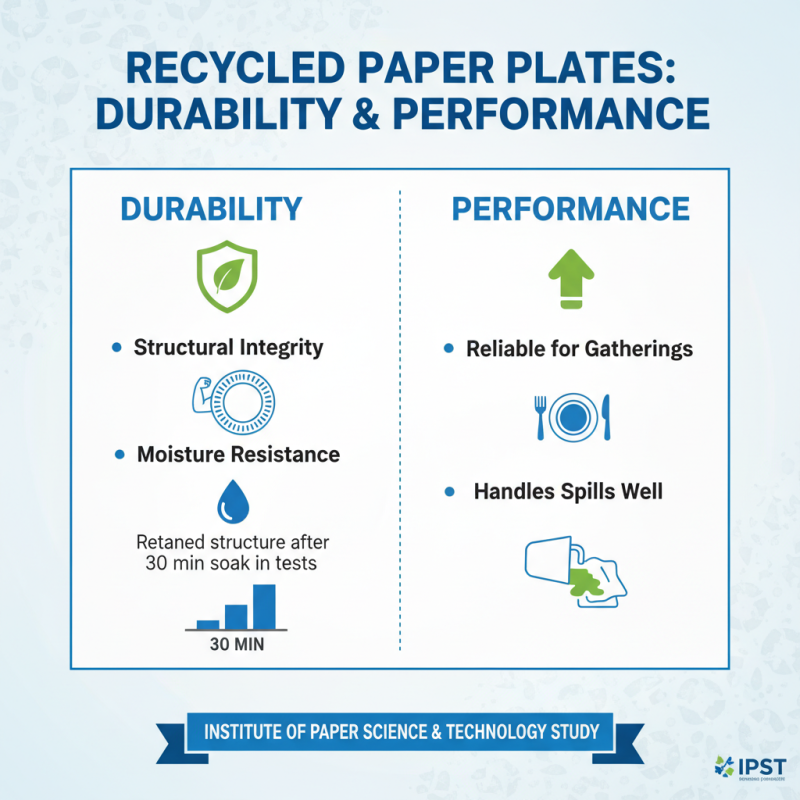
When selecting recycled paper plates, one key aspect is their durability. A study by the Institute of Paper Science and Technology indicated that recycled paper plates generally perform well under various conditions. For example, in moisture tests, a significant number of recycled plates retained structural integrity after soaking for up to 30 minutes. This durability is crucial for any gathering where spills are likely.
However, not all recycled paper plates are created equal. Some research shows that thickness and manufacturing processes can significantly impact performance. Plates with a higher gram weight often display better resistance to bending and splitting. The USDA outlines that products labeled as '100% recycled' aren’t always made from equally durable materials. Sometimes, manufacturers prioritize eco-friendliness over performance.
The environmental benefits are considerable, but there can be trade-offs. Consumer feedback indicates that some plates fail to hold up under hot foods, leading to leaks or collapse. This reliability gap suggests the need for careful evaluation. Understanding the balance between sustainability and functionality is essential for the best choice. Investing time to assess product specifications and user reviews can lead to a more informed decision.
Identifying Cost-Effectiveness of Various Recycled Paper Plate Brands
Choosing recycled paper plates can be challenging. Cost-effectiveness is a critical factor when exploring various brands. The pricing of these plates often varies widely, making it essential to examine what's included. Some plates, while cheaper, may not hold up well in various environmental conditions. Durability should be a top consideration, especially for outdoor events.
It's also important to consider the material's source. Not all recycled paper is created equal. Some brands use lower-quality recycled content, compromising performance. Researching the recycling processes can reveal essential details. Look for plates that clearly state their post-consumer recycled content. Cost-effectiveness isn't just about price; it's about value over time.
You may find yourself torn between seemingly similar options. A higher price may suggest better quality, yet some lower-cost brands perform just as well. Prioritizing performance and sustainability over mere aesthetics can lead to better choices. Listening to user reviews can provide insights but remember, experiences vary widely. Testing a few products, if feasible, might bring clarity to your decision-making process.
Cost-Effectiveness of Recycled Paper Plates in 2026