Why Choose Compostable Paper Plates for Eco-Friendly Dining?
In recent years, the trend towards eco-friendly dining has gained significant momentum. According to a report by the Environmental Protection Agency, over 50 million tons of food waste is generated in the U.S. annually. This alarming figure calls for sustainable solutions. Compostable Paper Plates are a promising alternative in the quest for greener lifestyles.
These plates are made from renewable resources, reducing the reliance on fossil fuels. They break down naturally, unlike conventional plastic plates, which may take hundreds of years to decompose. A survey from the Foodservice Packaging Institute indicates that 74% of consumers prefer eco-friendly packaging options. Despite this, some remain skeptical about the durability and effectiveness of Compostable Paper Plates.
Balancing convenience and environmental responsibility is crucial. Many users still value quality, leading to questions about the strength of these products. While Compostable Paper Plates may sometimes appear flimsy, they serve an essential purpose in waste reduction. Drawing attention to this dining option can make a meaningful impact. It’s imperative to recognize that every small choice contributes to a larger change in our ecosystems.
Understanding Compostable Paper Plates: An Overview of Benefits
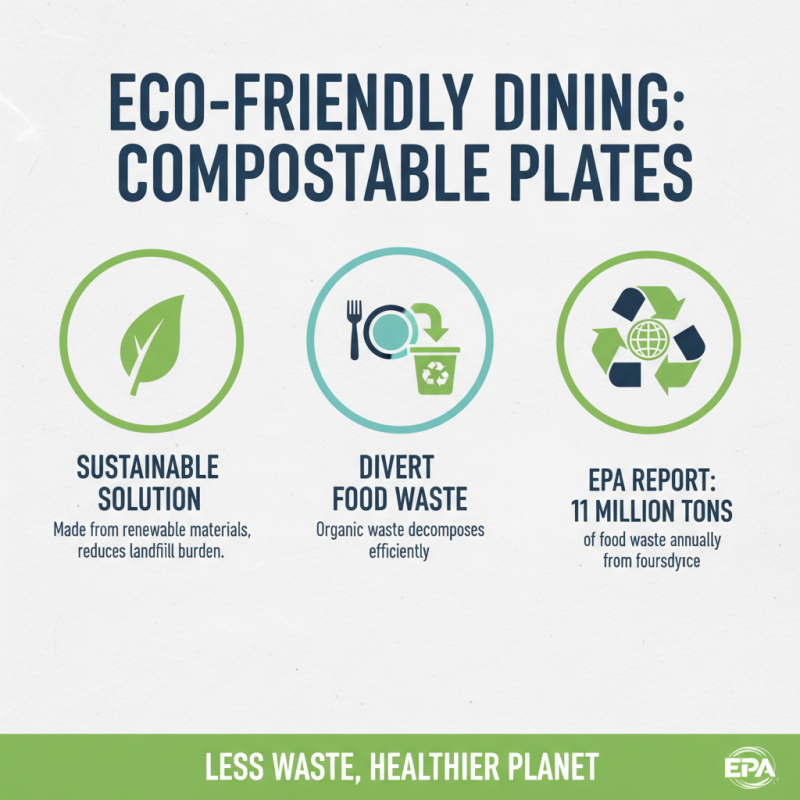
Compostable paper plates offer a sustainable dining solution that aligns with eco-friendly practices. According to a report by the Environmental Protection Agency (EPA), foodservice industries create over 11 million tons of food waste annually. The traditional disposal methods contribute significantly to this problem, as organic waste does not decompose efficiently in landfills. Switching to compostable materials can mitigate this issue.
When compostable paper plates are properly disposed of, they can break down in composting facilities. This process typically takes 60 to 90 days. Unlike conventional plastic plates, which can linger for hundreds of years, compostable plates return nutrients to the soil. The Biodegradable Products Institute reports that composting can reduce greenhouse gas emissions by 20%, benefiting the environment directly.
Additionally, using these plates reflects a growing consumer trend toward sustainability. A study found that 73% of consumers prefer eco-friendly products. However, challenges remain. Many composting facilities have strict guidelines that may not accept all compostable items. Education is key. Users must understand the proper disposal methods to maximize their environmental benefits. The transition to compostable paper plates requires effort and awareness, yet it can significantly reduce waste and promote a greener future.
Environmental Impact: Reducing Waste with Compostable Options
Compostable paper plates offer a significant advantage in reducing environmental waste. Unlike traditional plastic plates, they break down naturally. This process contributes to healthier soil and less landfill overflow. In fact, many communities struggle with waste management, and compostable options can ease this burden. They serve a practical purpose and can help us rethink our consumption.
Using compostable plates during gatherings promotes awareness about sustainability. Imagine a picnic where all guests use these eco-friendly plates. After the meal, everything goes into a compost bin. However, not everyone realizes the importance of separating compostable items from regular trash. Education on proper disposal is often lacking. In many cases, people still toss these plates into landfills, contradicting their purpose.
The impact of compostable plates extends beyond individual choices. Restaurants that switch to eco-friendly diningware can inspire patrons to follow suit. But, the transition is not always effortless. Costs and sourcing can be hurdles for many establishments. Creating a culture of sustainability requires persistent effort and community support. Each step taken can lead to a larger movement toward environmental consciousness.
Health and Safety: Advantages of Using Compostable Materials
When it comes to dining, health and safety are paramount. Compostable paper plates offer a safer alternative to traditional plastic options. These plates are made from natural materials. They break down easily, reducing waste. You can serve hot or cold food without worry. These plates do not leach harmful chemicals into your meals. That’s a real concern with many plastic products.
While many people embrace compostable plates, some remain skeptical. They may worry about durability or messiness. It's true, some compostable options can be less sturdy. But advancements in technology have improved their strength. Often, they hold up just as well, if not better, than plastic. It’s important to choose the right type for your needs.
Tips: Always check if the plates are certified compostable. This ensures they meet safety standards. For outdoor events, consider a thicker design for sturdiness. Mixing in reusable utensils can enhance the dining experience too. Remember, every small change counts. Even imperfect ideas lead to better practices in eco-friendly dining.
Cost-Effectiveness: Comparing Compostable Plates to Traditional Options
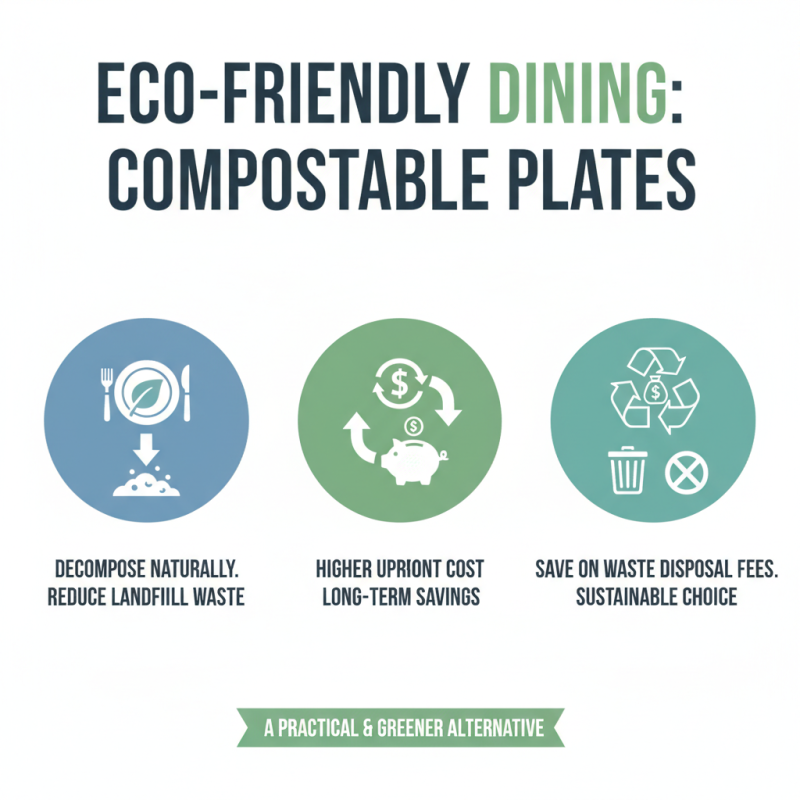
When considering eco-friendly dining options, compostable paper plates offer a practical alternative to traditional plastic ones. These plates decompose naturally, reducing landfill waste. While they may cost more upfront, the long-term benefits can outweigh initial expenses. In fact, many studies suggest that composting can save money on waste disposal fees.
Use these plates for parties and events. They stand up to food without leaking. Imagine a picnic where everything you discard helps the earth. However, some might wonder if they hold up against water and sauce like standard plastic plates do. There are mixed reviews.
Cost-effectiveness also includes disposal methods. Composting facilities may not be accessible in all areas. Ensuring proper disposal can be a challenge. It’s essential to weigh the benefits against potential inconveniences. The eco-friendly choice can sometimes feel complicated.
Choosing the Right Compostable Paper Plates for Your Needs
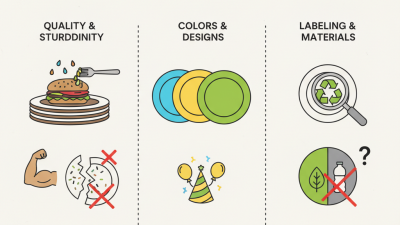
When selecting compostable paper plates for your needs, consider several factors. First, think about the size and shape of the plates. Different occasions require different sizes. For a casual picnic, larger plates may be needed for main dishes. For a formal dinner, smaller, elegant options might be more appropriate.
Tips: Look for plates that can handle hot and cold foods. Some plates are better suited for greasy or watery items. Check the durability to avoid leaks or breakage during your meal.
Next, examine the materials used in the plates. Some may be made from recycled paper, while others are derived from renewable sources. Inspect the certifications. Plates labeled as compostable are better for the environment. Composting takes less energy than recycling.
Tips: Consider the composting facilities available in your area. Not all compostable items decompose in backyard composts. If you lack access to commercial composting, rethink your choices. The best plates are the ones that fit your needs while supporting your eco-friendly goals.
Why Choose Compostable Paper Plates for Eco-Friendly Dining?
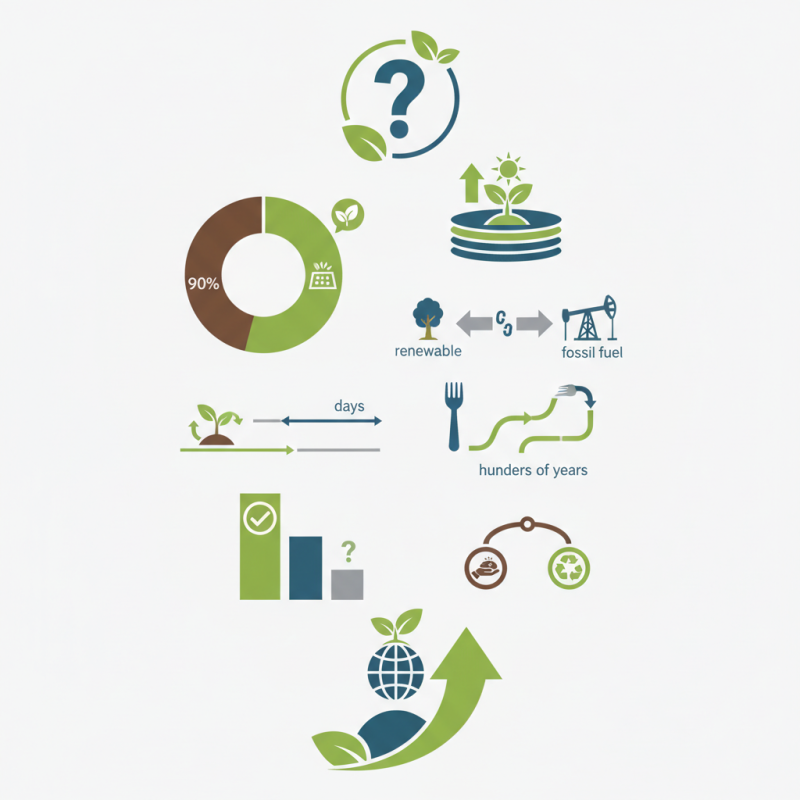
This chart illustrates the advantages of compostable paper plates compared to traditional disposable plates based on environmental impact, biodegradability, and overall consumer preference.