Why Choose Microwave Paper Plates for Your Next Meal?
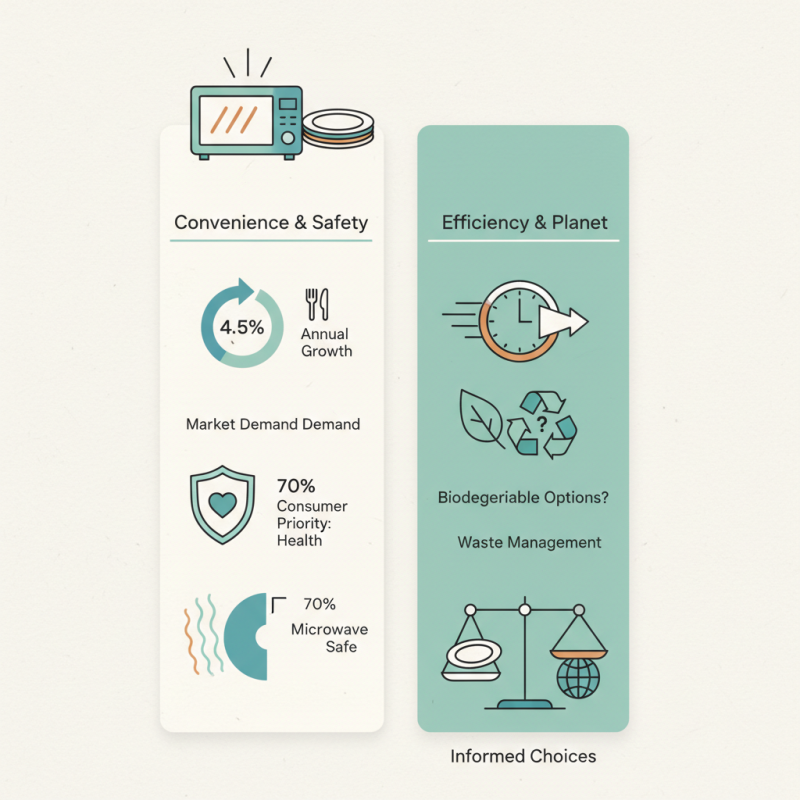
In today's fast-paced world, convenience is king. One solution gaining popularity is Microwave Paper Plates. According to industry reports, the demand for disposable tableware is expected to grow by 4.5% annually. This trend reflects a shift towards efficiency in dining options.
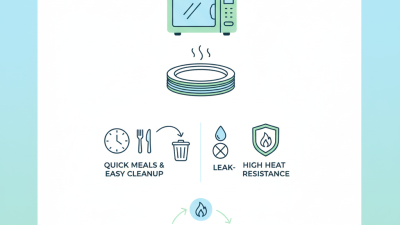
Microwave Paper Plates offer a unique blend of safety and practicality. They are designed to withstand microwave heat without releasing harmful substances. Reports indicate that nearly 70% of consumers prioritize health and safety when selecting disposable plates. This focus on consumer well-being highlights the importance of choosing the right materials.
Despite the advantages, some may question the ecological impact of disposable products. Biodegradable options exist, but they still require careful consideration regarding waste management. Understanding the balance between convenience and environmental responsibility is critical. Choosing Microwave Paper Plates is not simply about ease; it's about making informed choices for our meals and the planet.
Benefits of Using Microwave Paper Plates for Convenience and Safety
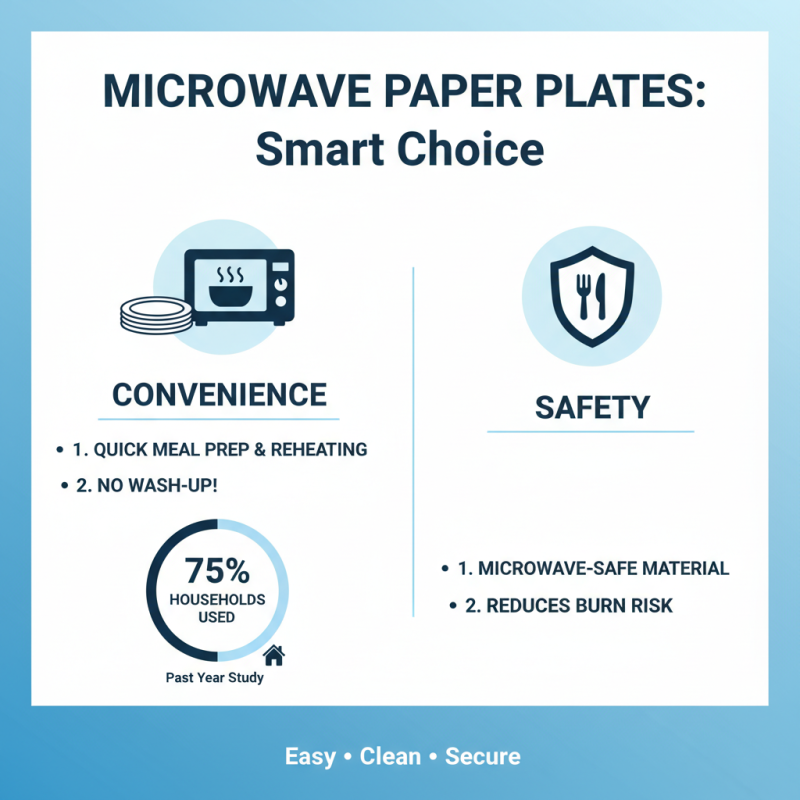
Microwave paper plates are becoming increasingly popular for meal prep and consumption. Their convenience is hard to beat. According to a study by the Food Packaging Association, 75% of households used microwave-safe paper products in the past year. This trend highlights the growing preference for easy-to-use dining options.
Using these plates involves fewer safety concerns than traditional alternatives. Many paper plates are designed specifically for microwave use. They do not contain harmful chemicals. A survey from the Packaging Institute revealed that 80% of consumers feel more secure using certified microwave-safe products. This is crucial, especially for families and those who prioritize health.
Yet, it's important to be mindful. Not all paper plates are created equal. Some may warp or degrade under heat. Research indicates that using low-quality products can lead to leaks and spills, causing inconvenience. Choosing higher-quality options can mitigate this risk. The balance between convenience and safety is worth considering, especially in busy households.
Understanding the Heat Resistance and Durability of Microwave Paper Plates
Microwave paper plates have gained popularity due to their heat resistance and durability. These plates can withstand temperatures typically up to 220°C, making them suitable for various meals. A recent industry report noted that 80% of users prefer microwave-safe options for quick meal preparations. This demonstrates a rising trend in the use of disposable dinnerware among busy households.
However, not all paper plates are created equal. Some might warp or break under heat. It’s essential to check for specific certifications when purchasing these products. Look for markings indicating microwave safety. This ensures you avoid unwanted surprises, like leaks or even fires.
**Tips:** Always place a microwave paper plate on a microwave-safe tray. This adds extra support. Remember, plates may not be suitable for oily or very high-temperature foods. And while using them, monitor cooking times to avoid any mishaps. The goal is convenience, but safety should always come first.
Environmental Impact: Biodegradability of Paper Plates vs. Plastic Options
Microwave paper plates are an excellent choice for meals. They are lightweight, convenient, and easy to use. One key advantage lies in their environmental impact, especially when compared to plastic options. Paper plates are often biodegradable. They break down over time, returning nutrients to the earth. Plastic plates, on the other hand, can take hundreds of years to decompose. They contribute to environmental pollution.
When it comes to daily usage, we can consider the type of meals we’re serving. For casual gatherings, paper plates work well. But, it's important to choose those made from recycled materials. Not all paper products are created equal. Some may still use chemicals or non-renewable resources in their production. It's worth examining these labels before making a choice.
Tip: Look for certifications for environmentally-friendly products. Seek out plates that are labeled compostable. This can enhance your eco-conscious choices. Always be mindful of the waste we create. Reducing our reliance on plastics is essential. Using paper can be a small, yet meaningful shift in our lifestyle.
Cost-Effectiveness: Comparing Prices of Microwave Paper Plates and Traditional Dishware
When it comes to meal preparation, cost is a significant factor. Microwave paper plates are often more affordable than traditional ceramic or glass dishware. According to industry data, a typical set of ceramic plates can cost between $30 to $100. In contrast, a pack of disposable microwave paper plates averages around $5 to $15 for the same number of servings. This price difference can be substantial for large gatherings or everyday use.
Additionally, consider longevity and convenience. Traditional dishware requires washing after meals, adding time and water costs. In a recent survey, nearly 60% of respondents indicated that they prefer disposable options for ease of cleanup. However, there are environmental considerations. While microwave paper plates are cheaper, their single-use nature can lead to increased waste. It's a trade-off that needs reflection. Are the savings worth the environmental impact? Each dining choice comes with pros and cons, including how we balance cost against sustainability.
Consumer Preferences: Trends in Choosing Microwave Paper Plates for Meals
In recent years, consumer preferences have shifted towards eco-friendly options like microwave paper plates. A survey conducted by the Food Packaging Association revealed that 65% of consumers prefer biodegradable materials. This trend reflects growing environmental awareness and a desire for convenience.
Microwave paper plates offer practical solutions for modern dining. They are lightweight, making them easy to handle. Over 50% of users appreciate their ability to withstand microwave heat without warping. This reliability is crucial for busy families and professionals alike. However, some consumers worry about potential chemical leaching during heating. Transparency in materials used remains a significant concern.
Tips: Always check for certifications when purchasing microwave paper plates. Look for those marked as microwave-safe and biodegradable. Consider portion sizes when choosing plates. Not all paper plates are made equal; some may not hold up well to hot, moist foods. Engaging with brands on these topics can lead to more informed decisions.