How to Choose the Best Coated Paper Plates for Your Needs?
When it comes to selecting the right Coated Paper Plates, it can feel overwhelming. Industry expert John Hudson states, "Choosing the right coated paper plate is crucial for both presentation and functionality." His insight highlights the importance of understanding your specific needs.
There are many varieties of coated paper plates in the market. Each option serves different purposes. Some are ideal for hot foods, while others excel with cold items. Look for features that matter to you, like sturdiness or design.
However, it’s easy to overlook certain aspects. The choice may seem straightforward, but not all coated paper plates perform the same. Remember to read reviews and do your research before making a decision.
Understanding Coated Paper Plates: Key Features and Benefits
Understanding coated paper plates is essential for choosing the right product for your needs. These plates come with a special coating that enhances durability, moisture resistance, and presentation. Data from industry reports suggest that the demand for eco-friendly disposable products is steadily rising, highlighting the importance of material choice. Coated paper plates are often made from recycled materials, making them a more sustainable option.
Using coated paper plates can improve the overall dining experience. Their sturdy design prevents leaks, allowing for wet or heavy foods without risk. Research indicates that consumers prefer these plates over traditional options due to their aesthetic appeal and functionality. They are suitable for both casual and formal events. Cost-effectiveness is another factor, as they save on cleanup time.
Tips: Choose plates with a thicker coating for heavier foods. Consider sizes that accommodate your menu items well. Always verify the coating materials for safety and environmental impact. Avoid plates that feel flimsy to prevent embarrassing spills at gatherings. Remember, not all coated plates are created equal, and a little research goes a long way. Making informed choices can elevate both your presentation and your conscience.
Types of Coatings: Comparing Plastics, Wax, and Biodegradable Options
When it comes to coated paper plates, the type of coating you choose can significantly impact your dining experience. There are three primary options: plastic coatings, wax coatings, and biodegradable options. Each has its own advantages and drawbacks. Plastic-coated plates are often waterproof and durable. They can withstand heavy foods without leaking. However, this durability comes at an environmental cost. According to a study by the Environmental Paper Network, plastic-coated papers are not easily recyclable and contribute to landfill waste.
Wax coatings offer an alternative but also have their challenges. They provide moisture resistance, making them suitable for wet foods. Yet, wax coatings often contain paraffin, which is derived from fossil fuels. This limits their sustainability. Research indicates that while these plates can decompose, it may take years, further contributing to waste issues. A report from the Biodegradable Products Institute highlights the need for better biodegradability standards in products using wax coatings.
Biodegradable options have gained attention in recent years. These plates are made from materials like plant fibers. They break down faster than both plastic and wax alternatives. According to a survey by the Sustainable Packaging Coalition, 72% of consumers prefer biodegradable products. However, they often come at a higher price point. Manufacturers are struggling to find a balance between cost-effectiveness and environmental responsibility. Choosing the right coated paper plate requires careful consideration of these factors and their long-term impacts on your events and the environment.
How to Choose the Best Coated Paper Plates for Your Needs?
Sizing and Shape Considerations for Your Serving Needs
When choosing the right coated paper plates, consider the size and shape that suits your serving needs. Different occasions require different sizes. For instance, appetizers might need smaller plates, while entrees may need larger ones. Choosing the wrong size can lead to spills or awkward servings. Sometimes, people underestimate portion sizes and end up with plates that are too small.
Shape also plays a significant role in your choice. Round plates are traditional and versatile. However, square or rectangular plates can provide a modern twist to your presentation. The shape can affect how food is arranged. Uneven edges might make a plate look messy. Some users prefer deep plates for soups, but they often lack stability. Experimenting with different shapes can lead you to a better serving experience.
Pay attention to your audience as well. Family gatherings may need more casual options, while formal events could require elegant shapes. If you're unsure, it's always a good idea to have a variety on hand. It’s okay to mix and match sizes and shapes. Learning from past experiences can help you make better choices next time.
Evaluating Durability and Heat Resistance for Different Uses
When choosing coated paper plates, durability and heat resistance are key factors. A robust plate can hold up against various food types. For example, heavier meals like pasta or meat might require thicker plates. If the paper is too thin, it can bend and spill food. This is frustrating, especially at gatherings.
Heat resistance is crucial too. Some coated plates can handle hot foods better than others. If you serve pizza or hot soup, you need a plate that won’t warp. A warped plate is not only annoying, but it can also ruin your dining experience. Consider testing a few options with different temperatures. Observe what works best in your setting.
Moreover, think about the environmental impact. Not all coated paper plates are recyclable. Some might break down, while others won’t. This inconsistency can lead to waste. Finding a balance between functionality and eco-friendliness is an ongoing challenge. It’s worth reflecting on your choices and their long-term effects.
Environmental Impact: Choosing Eco-Friendly Coated Paper Plates
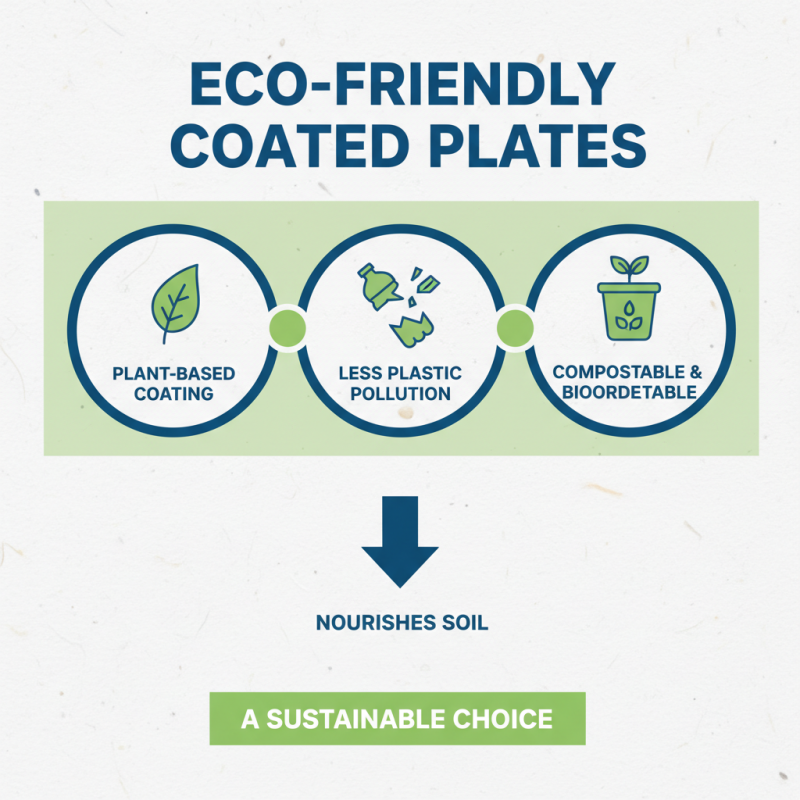
When choosing coated paper plates, the environmental impact should be a key consideration. Many options on the market are designed to reduce plastic use. Eco-friendly plates often feature plant-based coatings instead of harmful plastics. These materials break down more quickly in the environment, minimizing waste. In time, they can compost and return nutrients to the soil.
However, not all coated paper plates are created equal. Some may still contain harmful chemicals. It's essential to read labels carefully. Look for certifications that indicate a product is truly eco-friendly. Consider the source of the paper as well. Sustainable sourcing practices are crucial. Responsible companies will often share information about their supply chains.
While using coated paper plates is practical, it isn't a perfect solution. The convenience comes at a cost to the environment. Reflect on your consumption habits. Are there reusable alternatives you could try? Balancing convenience and eco-responsibility takes effort. Small changes can lead to more sustainable choices. Every decision counts, even if it seems minor.