How to Choose Biodegradable Paper Plates for Eco Friendly Dining
In today's world, where environmental awareness is at an all-time high, choosing the right dining materials has become increasingly important. One popular choice for eco-conscious consumers is biodegradable paper plates. These plates not only provide convenience for various occasions, such as picnics, parties, and outdoor events, but they also contribute to reducing plastic waste that pollutes our planet. However, with so many options available in the market, selecting the right biodegradable paper plates can be quite challenging.
To make an informed decision, it's essential to understand the different types of biodegradable materials, their durability, and their environmental impact. In this guide, we will explore the key factors to consider when choosing biodegradable paper plates for eco-friendly dining, ensuring that your choices align with your commitment to sustainability. Whether you are hosting a gathering or simply looking to minimize your ecological footprint, understanding how to select the most suitable biodegradable paper plates will enhance your dining experience while keeping the environment in mind.

Understanding Biodegradable Materials in Paper Plates
When selecting biodegradable paper plates for eco-friendly dining, it's crucial to understand the materials that make them environmentally friendly. Biodegradable paper plates are typically made from natural substances like recycled paper and plant fibers. These materials can break down naturally over time, reducing landfill waste. According to a 2021 report by the Biodegradable Products Institute, products that are certified biodegradable can decompose in composting conditions within 90 to 180 days, highlighting their favorable environmental impact compared to traditional plastic plates.
While choosing biodegradable paper plates, it's essential to consider not only the biodegradability of the material but also the overall lifecycle of the product. Many paper plates may claim to be environmentally friendly, yet they could still contain harmful additives or coatings that hinder their biodegradability. Look for products that are certified by appropriate environmental organizations to ensure they meet rigorous standards.
Tips:
- Always check for certifications like ASTM D6400 or EN 13432 that indicate a product's compostability.
- Opt for thicker, sturdier plates to reduce waste; they are less likely to bend or break, allowing for more prolonged use.
- Consider the source of the paper; choosing plates made from sustainably sourced materials, such as FSC-certified wood or paper, further enhances their eco-friendliness.
Comparative Analysis of Biodegradable vs. Traditional Paper Plates
When it comes to eco-friendly dining, understanding the differences between biodegradable and traditional paper plates is crucial. Traditional paper plates are often coated with plastic or made from materials that are not easily broken down in the environment. This results in prolonged decomposition times, leading to increased landfill waste and environmental strain. On the other hand, biodegradable paper plates are designed to break down more quickly and naturally, typically made from renewable resources such as sugarcane, bamboo, or other plant-based materials. This fundamental distinction is vital for consumers who prioritize sustainability.
In a comparative analysis, one of the key factors to consider is the environmental impact. Biodegradable paper plates can decompose within a few months under composting conditions, whereas traditional counterparts can take years to disintegrate. Furthermore, the production processes for biodegradable plates often use less energy and result in lower carbon emissions. While the performance of both types of plates can vary in terms of durability and usability, the long-term environmental benefits of choosing biodegradable options can significantly mitigate the ecological footprint associated with single-use dining experiences.
Certifications to Look for in Eco-Friendly Paper Products
When selecting biodegradable paper plates for eco-friendly dining, understanding the certifications that validate these products’ environmental claims is essential. Notably, certifications like the Forest Stewardship Council (FSC) and the Compostable Products Certification from the Biodegradable Products Institute (BPI) serve as reliable indicators of sustainability.
According to a 2021 report by the Paper and Packaging Board, products carrying the FSC certification are sourced from responsibly managed forests that provide environmental, social, and economic benefits.
Additionally, products with BPI certification meet strict standards for compostability, breaking down into non-toxic components in industrial composting facilities within 90 to 180 days. The International Compostable Products Testing Committee (ICPTC) specifies that compostable products must undergo rigorous testing, including heat and moisture resistance, to ensure they perform well in typical composting conditions.
The global market for biodegradable products is projected to reach $22 billion by 2026, as consumers increasingly demand sustainable options—even during casual dining experiences, reinforcing the importance of recognizing these certifications when making purchasing decisions.
Environmental Impact: Statistics on Waste from Disposable Plates
The environmental impact of disposable plates is a growing concern, with statistics highlighting the alarming levels of waste generated by these products. According to a report by the Environmental Protection Agency (EPA), Americans disposed of approximately 292 million tons of waste in 2018, and single-use items, including paper plates, contributed significantly to this figure. Notably, the American Forest & Paper Association reported that around 3.2 million tons of paper and paperboard products were used in food service applications, with a considerable portion ending up in landfills where they can take years to decompose.
In addition to the sheer volume of waste, the production of traditional disposable plates often involves environmentally harmful processes. A study from the Sustainable Forestry Initiative indicated that over 50% of paper products come from virgin wood sources, leading to deforestation and habitat loss. Conversely, opting for biodegradable paper plates made from recycled materials or sustainable sources can significantly mitigate this impact. Reports suggest that using eco-friendly alternatives can reduce greenhouse gas emissions by 50% compared to traditional products, offering a more sustainable choice for consumers eager to reduce their ecological footprint during dining occasions.
Environmental Impact of Disposable Plates
Cost-Effectiveness and Accessibility of Biodegradable Paper Plates
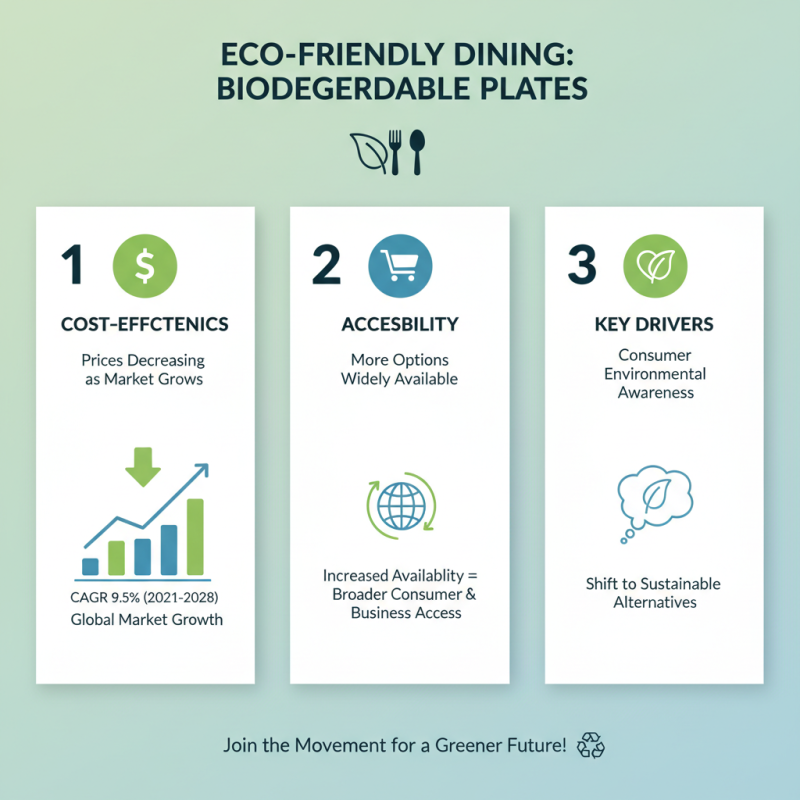
When it comes to choosing biodegradable paper plates for eco-friendly dining, cost-effectiveness and accessibility are paramount considerations. According to industry research, the global biodegradable plates market is projected to grow at a CAGR of 9.5% from 2021 to 2028, indicating a rising demand for sustainable alternatives in food service. This shift is largely driven by consumer awareness of environmental issues and the increasing availability of biodegradable options. As these products become more prevalent, they often witness a reduction in price, making them accessible to a wider range of consumers and businesses.
Tip: When selecting biodegradable paper plates, consider bulk purchasing options to maximize your savings. Many suppliers offer discounts for larger quantities, which can significantly lower the overall cost per plate for events or businesses that have high turnover.
Accessibility extends beyond just cost; it also includes the ease of finding these products in local stores and online. The proliferation of eco-friendly products has led to many retailers stocking biodegradable plates, giving consumers more choices than ever. Additionally, e-commerce platforms have made it easier to access a variety of biodegradable options from the comfort of home, further enhancing their availability.
Tip: Look for certifications on biodegradable plates, such as compostability ratings that meet ASTM D6400 or D6868 standards. These certifications guarantee that the product will break down efficiently in composting facilities, ensuring you are making a positive impact on the environment.