How to Choose Cardboard Food Packaging Boxes for Your Business?
Choosing the right packaging is crucial for any food business. Experts in the "Cardboard Food Packaging Boxes" industry emphasize this point. Sarah Jennings, a leading packaging consultant, states, “The right box can enhance the customer experience and ensure food safety.”
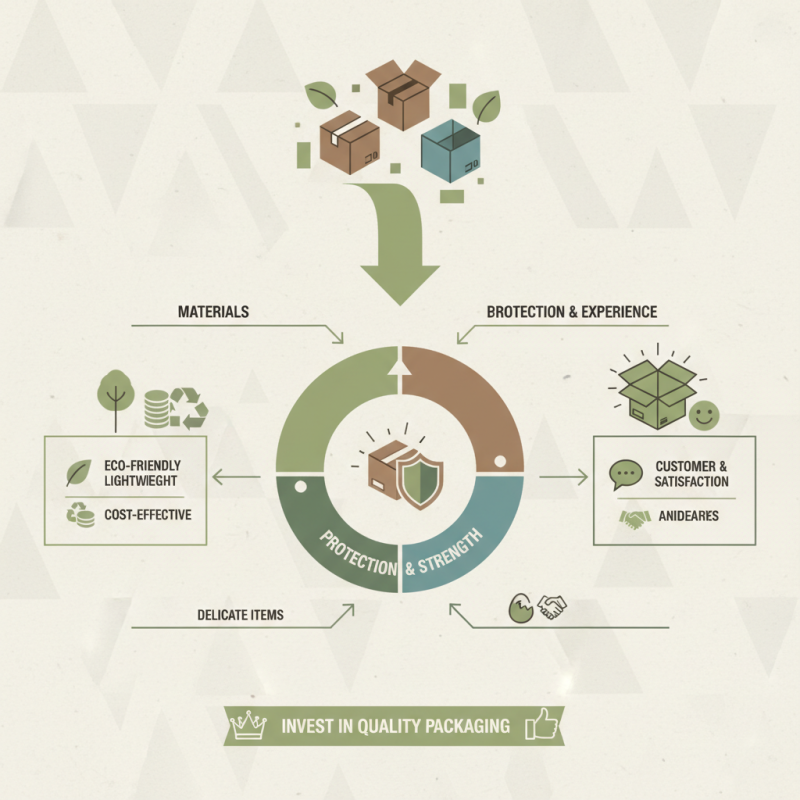
When selecting cardboard food packaging boxes, several factors come into play. First, consider the materials. Cardboard is eco-friendly, lightweight, and cost-effective. The strength of the box matters, especially for delicate items. A well-designed box can attract customers and communicate your brand's values.
However, many businesses overlook some aspects. A box that looks great might not provide adequate protection. Reflecting on this can lead to better decisions. Investing in high-quality packaging is not just about aesthetics; it’s about reliability. The right cardboard food packaging boxes can improve your brand’s reputation and customer satisfaction.
Understanding the Importance of Cardboard Food Packaging in Business
Choosing the right cardboard food packaging boxes is crucial for business success. Cardboard packaging not only protects food but also enhances brand visibility. According to a recent study, 67% of consumers prefer products in sustainable packaging. This trend highlights the importance of eco-friendly materials in attracting customers.
Tips: Consider using recycled cardboard for your packaging. This choice can reduce waste and appeal to environmentally conscious consumers.
Moreover, the design of your packaging plays a significant role. Approximately 75% of consumers make purchasing decisions based on packaging design. Clear labeling and appealing graphics can make your product stand out. However, businesses often overlook the cost aspect of packaging. Balancing quality and affordability is essential.
Tips: Test different designs to see what resonates with your customers. Don’t hesitate to seek feedback on your packaging choices.
In conclusion, cardboard food packaging is a strategic investment. Understanding its impact can lead to increased sales and customer loyalty. Small adjustments, like optimizing packaging size, can make a big difference. Keep exploring ways to improve your packaging strategy for better results.
Identifying the Right Size and Shape for Your Food Products
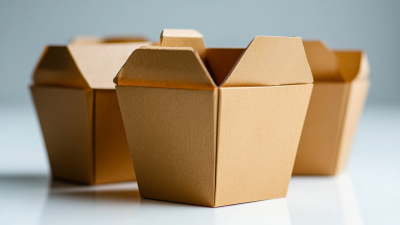
When selecting cardboard food packaging boxes, size and shape play crucial roles. Your products should fit snugly, reducing movement and damage during transport. A box that is too large can lead to crushed goods, while one that is too small can compromise the integrity of the packaging. Consider the dimensions of your food items carefully.
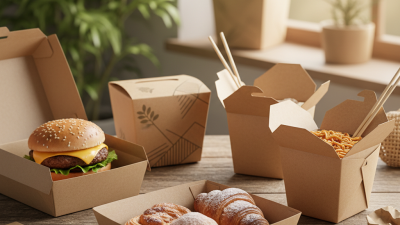
Shapes can also affect functionality. For example, square boxes may be ideal for stacking, while rectangular ones could be better for sandwiches or pizza. Think about how customers will interact with your packaging. A box that is easy to open adds to the overall experience. Remember to test prototypes to see how they hold up. Are they sturdy enough?
Reflecting on design is essential. Packaging should represent your brand. Aesthetic choices must align with your product’s identity. Be willing to experiment, as the best solutions often come from trial and error. Customer feedback can guide you in making the right adjustments. Don't rush this process; thoughtful design leads to a better product presentation.
Evaluating Material Quality and Sustainability of Cardboard Boxes
Choosing the right cardboard food packaging boxes for your business can be challenging. Evaluating material quality is essential. High-quality cardboard ensures that your food remains safe and fresh. It must be durable enough to withstand transportation and handling. Look for boxes that offer excellent resistance to moisture and grease. This will help preserve the integrity of your products.
Sustainability is another critical factor. Many consumers today are eco-conscious. They prefer packaging that is recyclable or made from recycled materials. Opt for manufacturers that prioritize sustainable practices. This not only enhances your brand's reputation but also aligns with consumer values. However, finding a balance between quality and sustainability can be tough. Some sustainable options may not provide the durability needed for certain foods.
Reflecting on the impact of packaging on the environment is crucial. Are you minimizing waste and using resources wisely? This conscious effort can set your business apart in a competitive market. Quality and sustainability should go hand in hand. It’s a constant journey of improvement. With careful consideration, you can make more informed choices for your packaging needs.
Material Quality and Sustainability of Cardboard Food Packaging Boxes
Examining Design Options for Branding and Customer Appeal
When selecting cardboard food packaging boxes, design plays a pivotal role in branding. The colors, patterns, and typography you choose can convey your brand’s identity. Bright colors may attract attention, while earthy tones can suggest sustainability. Each design element can evoke emotions that resonate with your target audience.
Considering customer appeal is equally important. Packaging should not just look good; it must also be functional. Think about the ease of opening and the size of the box. It should protect the food while being easy to handle. Research suggests that effective packaging can influence purchasing decisions significantly. If a box is visually appealing yet difficult to open, it may frustrate customers.
Reflecting on these points can inspire innovation. Are you simplifying too much or overcomplicating designs? Striking a balance between aesthetic and utility is key. It’s essential to seek feedback from customers on packaging designs. Testing different designs can reveal what truly resonates. Design is not static; it evolves with trends and consumer preferences.
How to Choose Cardboard Food Packaging Boxes for Your Business? - Examining Design Options for Branding and Customer Appeal
| Dimension |
Description |
Importance |
| Materials |
Choose eco-friendly and food-safe cardboard. |
Enhances brand image and satisfies customer preferences. |
| Size |
Select appropriate dimensions that fit your products. |
Optimizes packaging space and reduces costs. |
| Design |
Incorporate logos, colors, and graphics for branding. |
Increases brand recognition and customer appeal. |
| Durability |
Select sturdy materials that protect the product. |
Ensures product safety during transport and storage. |
| Sustainability |
Opt for recyclable and biodegradable options. |
Appeals to environmentally-conscious consumers. |
| Cost |
Analyze costs to stay within budget while maintaining quality. |
Balancing quality and cost can maximize profit margins. |
Comparing Costs and Suppliers for Cardboard Food Packaging Solutions
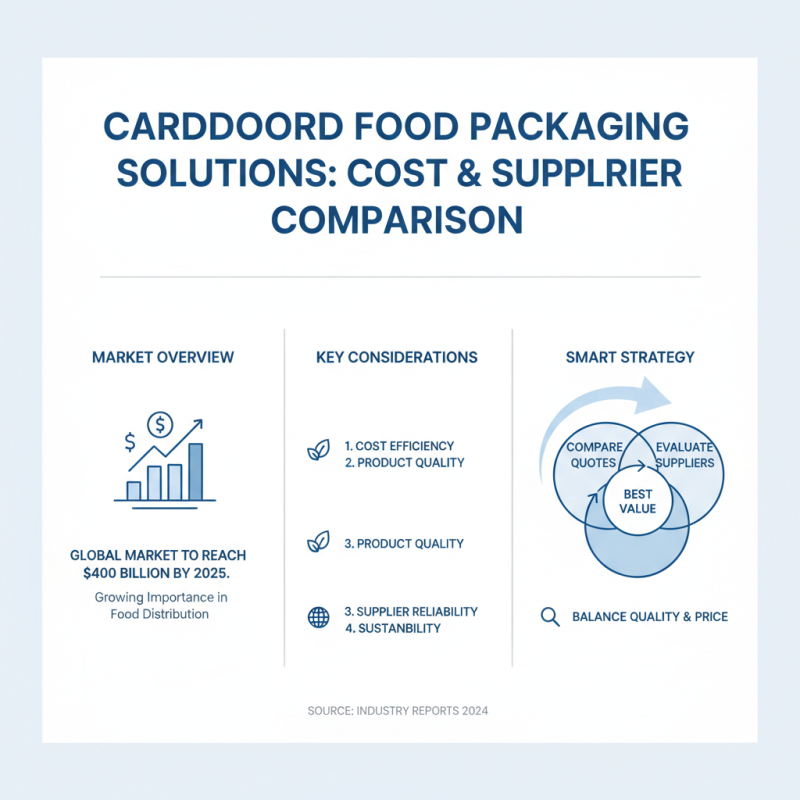
When selecting cardboard food packaging solutions, it’s vital to compare costs and suppliers effectively. Recent industry reports indicate that the global cardboard packaging market is expected to reach $400 billion by 2025, highlighting its significance in food distribution. Evaluating various suppliers can help businesses find the best balance between quality and cost.
Many suppliers offer competitive pricing, but it’s essential to analyze the durability and sustainability of materials. A 2022 study found that 72% of consumers prefer eco-friendly packaging. This consumer trend tilts pricing assessments, pushing businesses to invest in more sustainable options. It's important to gather multiple quotes and understand any hidden fees, such as minimum order quantities or shipping costs.
Moreover, not all cardboard packaging can sustain food safety standards. Inadequate packaging can lead to food contamination. A report from the Food Safety Institute noted that improper packaging contributed to 13% of food-related illnesses. Businesses should question suppliers about certifications related to food safety and sustainability practices. This diligence in evaluating packaging options ensures compliance and builds consumer trust.