2026 How to Choose the Best Boxes For Food Packaging?
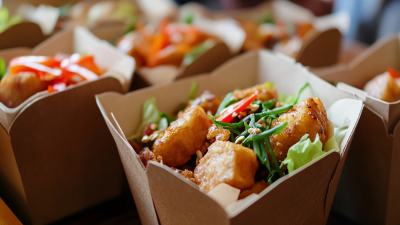
Choosing the right boxes for food packaging is crucial for businesses. Food safety and presentation matter. Poor packaging can lead to spoilage. Customers notice packaging. It should appeal to their senses.
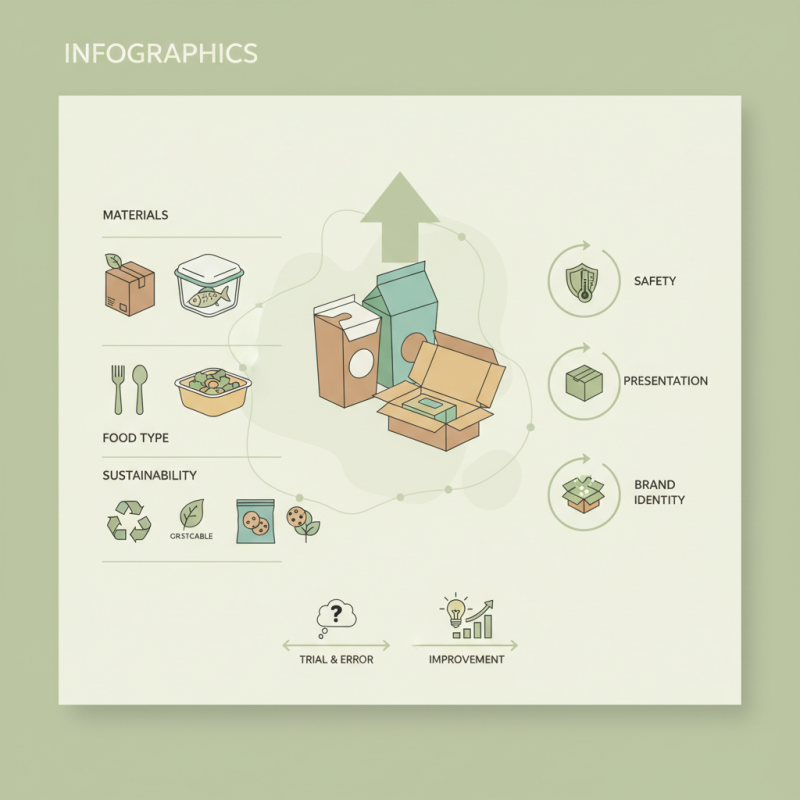
When selecting boxes for food packaging, consider materials. Some materials offer better insulation. Others enhance the product's visual appeal. Sustainability is becoming important too. People prefer eco-friendly options.
Not every box fits every food item. A mismatch can result in waste. It's vital to understand the needs of your product. Sometimes, trial and error is necessary. Reflecting on past choices can lead to improvement. Packaging is more than just a box; it’s a brand's identity.
Understanding the Importance of Food Packaging Boxes
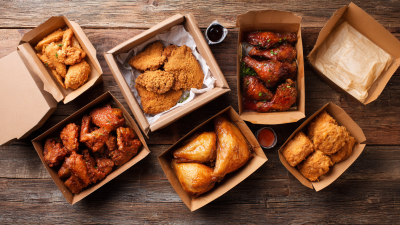
Food packaging boxes play a crucial role in the food industry. They protect products from external contaminants and physical damage. Strong and durable materials keep food fresh longer. Proper packaging also helps maintain temperature, which is vital for perishable items.
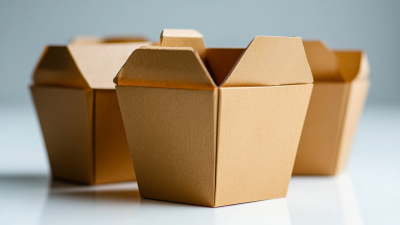
Choosing the right box can be challenging. Many aspects must be considered. Size, shape, and material are all important. A box that is too large can lead to movement and damage. Conversely, a box that is too small may not fit the product properly. It's essential to evaluate the specific needs of the food being packaged.
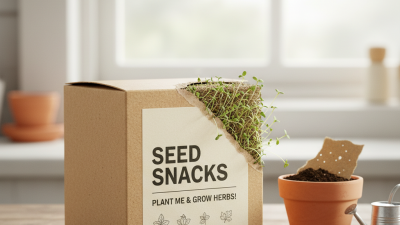
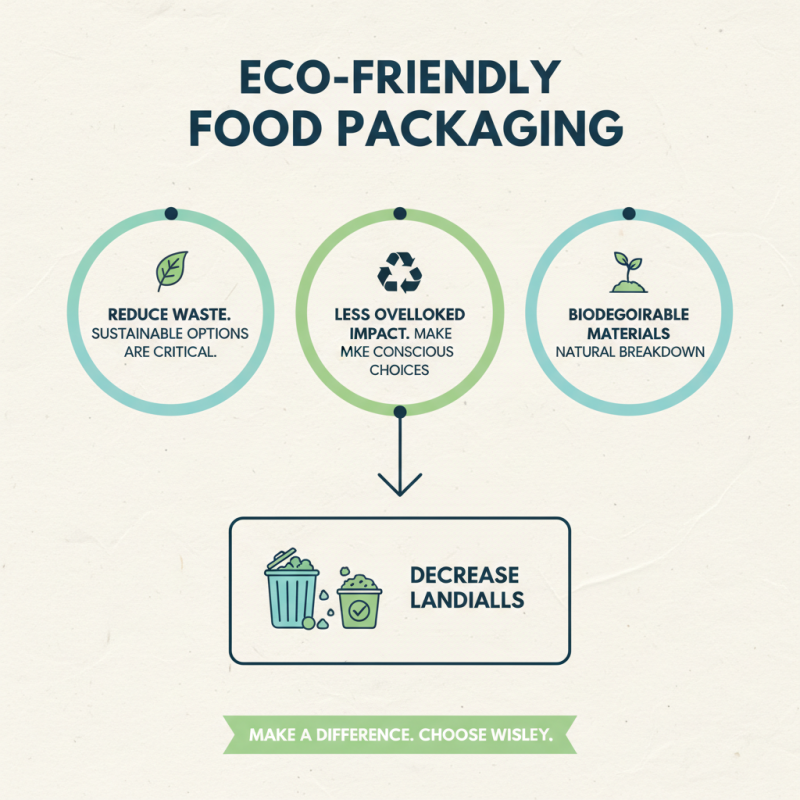
Sustainability is another factor worth pondering. Eco-friendly materials are gaining popularity. They appeal to environmentally conscious consumers. However, not all sustainable options provide the same level of protection. Some may degrade too quickly, leading to waste.
Rethinking packaging strategies can improve both safety and sustainability. Making informed choices is necessary for effective packaging solutions.
Types of Food Packaging Boxes Available in the Market
When selecting food packaging boxes, it’s crucial to explore the variety available. According to recent industry reports, the global packaging market size is expected to reach $1 trillion by 2027. This growth reflects the strong demand for various packaging types, particularly in the food sector.
One popular option is corrugated boxes. They offer excellent protection and are recyclable. These boxes are lightweight yet sturdy. However, they may not provide the best moisture barrier for certain food items. Instead, plastic containers are often used for liquids and perishable goods. With their airtight seals, they help extend shelf life. Yet, sustainability concerns arise due to plastic waste.
Another option includes biodegradable packaging. It appeals to eco-conscious consumers. Yet, questions linger about its performance compared to traditional materials. The rising trend for sustainable packaging solutions could prompt innovation. Companies are continuously experimenting to find better alternatives. Understanding these options is vital for choosing the right packaging that aligns with both quality and environmental goals.
2026 How to Choose the Best Boxes For Food Packaging? - Types of Food Packaging Boxes Available in the Market
| Type of Box |
Material |
Common Uses |
Advantages |
Disadvantages |
| Corrugated Boxes |
Cardboard |
Shipping, Storage |
Durable, Lightweight |
Not moisture-resistant |
| Plastic Containers |
Plastic |
Takeout, Deli |
Moisture-resistant, Versatile |
Less environmentally friendly |
| Glass Jars |
Glass |
Preserves, Spreads |
Reusable, Non-reactive |
Fragile, Heavy |
| Tetra Packs |
Cardboard, Plastic |
Beverages, Sauces |
Long shelf life, Lightweight |
Complex recycling process |
| Foil Containers |
Aluminum |
Baking, Takeout |
Heat resistant, Recyclable |
Can dent easily |
Key Factors to Consider When Selecting Food Packaging Boxes
Choosing the right boxes for food packaging requires careful thought. Many factors come into play. The material is one of the most critical. Cardboard, plastic, and biodegradable options each have unique benefits. For instance, cardboard is often cost-effective and provides good insulation. However, it might not be moisture resistant.
Another aspect to consider is size. The box should fit the food properly. An oversized box can lead to movement and spoilage. Conversely, a box that's too small may damage the food. Precision in sizing is essential.
Tips: Consider eco-friendly materials. Sustainability is becoming crucial for consumers. Ensure the boxes are safe for food contact. This is necessary for maintaining safety standards.
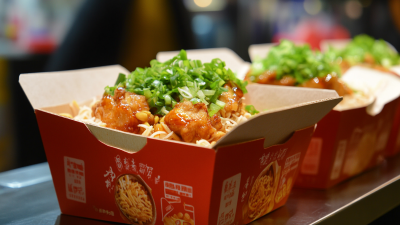
Don’t forget about design. An attractive box can enhance appeal. However, overly complex designs may increase costs. Balancing aesthetics with functionality can be challenging. Ultimately, each element should serve a purpose.
Testing different options can help find the right fit. Consider feedback from customers. Their preferences can guide your choices.
Tips for Customizing Food Packaging Boxes for Your Brand
When customizing food packaging boxes, think about your brand identity. Colors and designs should reflect who you are. Choose a color palette that resonates with your audience. Bright colors attract attention, while muted tones convey elegance. Each choice affects perception.
Materials matter, too. Eco-friendly options appeal to consumers. However, some packaging can be costly. This might strain your budget. Consider the right balance between quality and affordability. Ensure your boxes are sturdy enough to protect the food inside. Fragile designs can lead to disappointments.
Don't forget branding elements. Logos and taglines should be clear and prominent. Use legible fonts that are easily read. Small details can elevate your packaging. However, overcomplicating the design might confuse customers. Simplicity often speaks louder. After all, quality packaging is not just a trend. It’s an essential part of your product experience.