How to Choose the Best Recycled Paper Plates for Your Needs?
In recent years, the demand for sustainable products has surged. Recycled paper plates have emerged as a popular choice for eco-conscious consumers. According to a report by the Environmental Protection Agency, recycling paper can save up to 17 trees per ton. This statistic highlights the potential environmental benefits of using recycled materials.
Choosing recycled paper plates involves more than just sustainability. Quality varies significantly across brands. Many options may not hold up well for heavy foods. As consumers, assessing the durability and functionality of these plates is essential. Not all recycled paper plates are created equal. Some may contain harmful chemicals or coatings that compromise their eco-friendliness.
In the quest for the best recycled paper plates, understanding certifications is crucial. The Forest Stewardship Council (FSC) label can guide consumers in selecting responsible products. It's important to reflect on the actual impact of these choices. While using recycled plates is a step in the right direction, there remains a need for continuous improvement in the industry.
Factors to Consider When Choosing Recycled Paper Plates
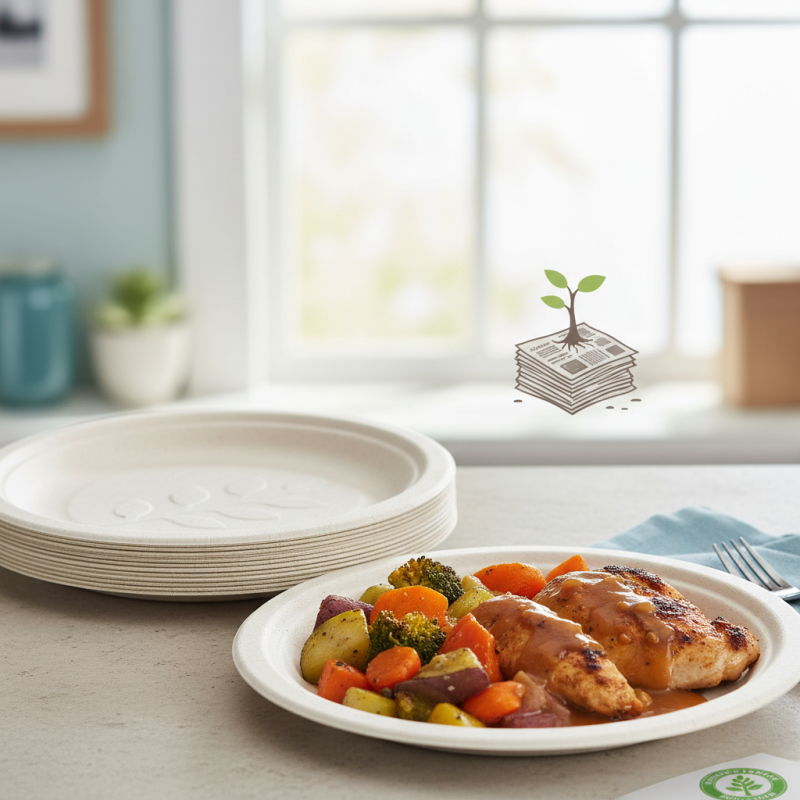
When choosing recycled paper plates, several factors can influence your decision. The first consideration should be the material. Look for plates made from 100% post-consumer products. This ensures the plates contribute to sustainability and waste reduction. Also, check if the plates are biodegradable. Plates that break down easily in compost bins are better for the environment.
Next, think about the size and sturdiness. Some plates are thin and flimsy, making them unsuitable for heavy dishes. You might be disappointed if your plate bends under pressure. It's wise to test a few brands to find the right balance between weight and durability.
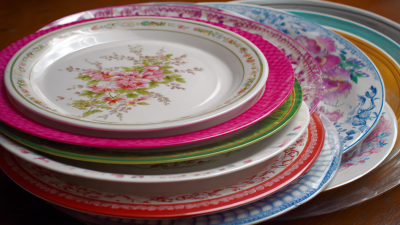
Finally, consider the design and texture. Some plates are plain, while others have elegant prints. Choose what matches your event. It could make a difference in your presentation. Yet, remember that appearances can be deceiving. Sometimes, eco-friendly designs may sacrifice functionality for aesthetics. Always read reviews and gather opinions from others. This helps in making a more informed choice.
Understanding Different Types of Recycled Paper Plates Available
When it comes to choosing recycled paper plates, understanding the types available is crucial. Recycled paper plates come in various materials and styles. Some are made from 100% recycled fibers, which significantly reduces landfill waste. According to industry reports, using recycled materials can lower greenhouse gas emissions by about 35% compared to traditional paper products.
There are biodegradable options, which break down more easily in landfills. Many plates are designed for single-use, but it’s essential to note their durability. Some may not hold up well with wet or oily foods. The EPA indicates that disposable tableware accounts for a significant amount of waste, highlighting the need for thoughtful choices. Users should consider the environmental impact of each type and how they align with their values.
However, not all recycled paper plates are equal. Some may contain harmful coatings that hinder recycling efforts. There’s also a noticeable difference in quality. While some plates might be sturdy, others could sag under pressure. Conducting research on these options can be overwhelming, but seeking out certifications can guide you. Awareness of the materials and manufacturing processes of these plates can lead to better choices.
How to Choose the Best Recycled Paper Plates for Your Needs?
| Type of Recycled Paper Plate |
Material Composition |
Strength Rating |
Biodegradability |
Common Uses |
| Standard Recycled Paper Plates |
50% recycled paper |
Medium |
Yes |
Picnics, casual dining |
| Heavy-Duty Recycled Paper Plates |
70% recycled paper composites |
High |
Yes |
Catering, BBQs |
| Coated Recycled Paper Plates |
50% recycled paper with a coating |
Medium |
Yes |
Wet foods, outdoor events |
| Bamboo Fiber Plates |
Bamboo pulp and recycled paper |
High |
Yes |
Eco-friendly events, fine dining |
| Microwave-Safe Recycled Paper Plates |
50% recycled paper with microwave-safe coating |
Medium |
Yes |
Microwaving food, convenience meals |
Evaluating the Environmental Impact of Recycled Paper Products
When considering the environmental impact of recycled paper products, it's crucial to evaluate their life cycle. Recycled paper plates often save trees and reduce landfill waste. However, not all recycled products are created equal. Some may contain added chemicals or inks that could counteract their environmental benefits. It's essential to check certifications and ensure the product is free from harmful substances.
The manufacturing process also plays a significant role. Recycled paper plates can still consume resources. Water and energy are often needed in manufacturing, which could nullify some environmental gains. Furthermore, not all recycling practices are efficient. Contamination in recycling streams can lead to lower quality output or increased waste. Understanding these nuances helps in making informed choices.
Personal habits matter too. Overusing disposable plates, even if recycled, can lessen their benefits. It's valuable to reflect on usage patterns. Can a reusable option be a better choice? These reflections can lead to more sustainable decisions. Consider your habits and their broader impact. Making thoughtful decisions today can contribute to a healthier planet tomorrow.
Comparing Costs and Performance of Recycled vs. Traditional Plates
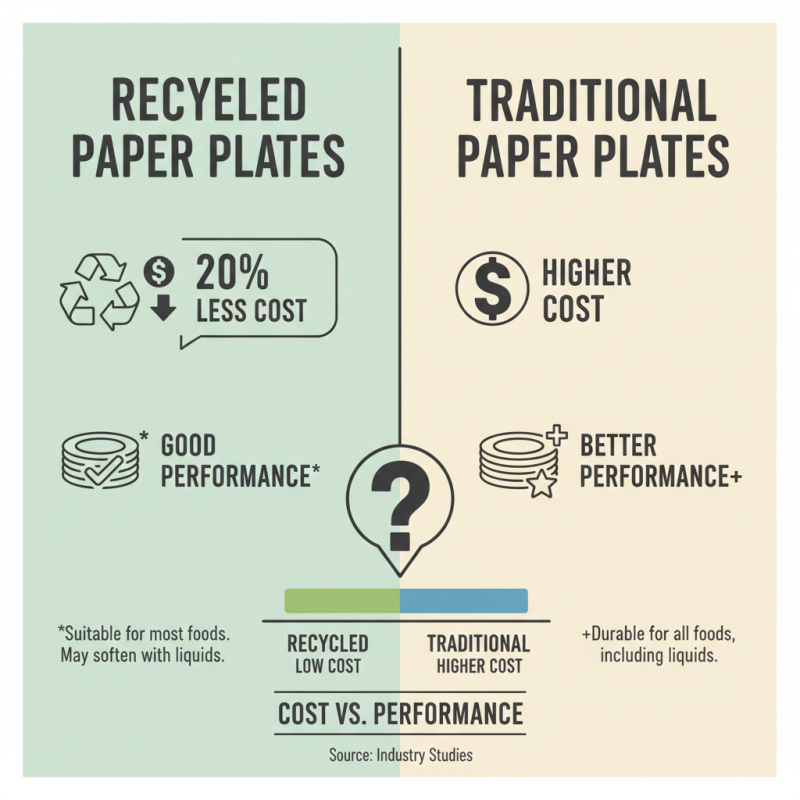
When comparing recycled and traditional paper plates, cost and performance are key factors. Recycled paper plates often come with a lower price tag. According to industry studies, they can cost up to 20% less per unit than their traditional counterparts. This is a crucial point for large events or businesses that prioritize budgeting.
On the performance side, recycled plates have evolved. Modern recycled paper plates can withstand heat better. Reports indicate they can hold up against temperatures reaching 200°F. However, not all recycled options perform equally. Some may become soggy with wet foods. It is essential to check the specifications. The strength of plates is a concern; some might not support heavier items reliably.
User experiences vary widely. Some report satisfaction with the quality, while others find them lacking. This inconsistency can be frustrating for buyers. Furthermore, choosing a plate that fits personal needs might require trial and error. Balancing eco-friendliness with durability remains a challenge. Prices and performance can mislead consumers into believing recycled options are universally superior.
Certifications and Standards for Quality Recycled Paper Products
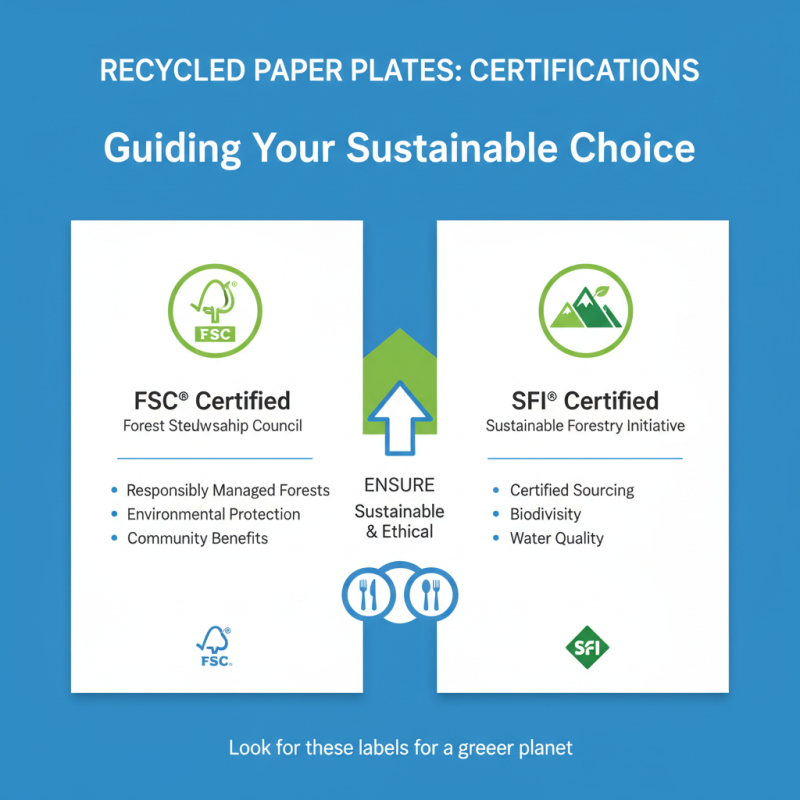
When selecting recycled paper plates, certifications and standards play a crucial role. Look for labels such as the FSC (Forest Stewardship Council) or the SFI (Sustainable Forestry Initiative). These certifications ensure that the paper comes from responsibly managed forests. They indicate a commitment to sustainability and environmental conservation.
Moreover, consider the compostability and biodegradability of the plates. Some recycled paper products claim to be compostable, yet they may not break down properly in home composting systems. Check for specific composting certifications to ensure effectiveness. Engaging with these details can lead to better choices but also raises questions about how well these products perform in various settings.
The thickness and durability of the plates are important too. Not all recycled plates are created equal. Some may bend or leak easily, even if they have good certifications. It’s worth trying a few different options to find what works for you. Reflecting on your usage context is essential. Will the plates hold up for a picnic, or are they meant for a casual dinner? Understanding your needs helps in making more informed choices.