Top Fast Food Container Choices for Eco-Friendly Takeout Solutions
The demand for eco-friendly solutions in the fast food industry is more pressing than ever, as consumers increasingly seek sustainable alternatives. According to a recent industry report by the National Restaurant Association, nearly 70% of consumers are more likely to choose a restaurant that offers sustainable packaging options. This shift towards environmentally conscious practices is compelling establishments to rethink their Fast Food Containers, focusing on materials that minimize environmental impact while maintaining functionality and cost-effectiveness.
The variety of options available today reflects an industry in transition. Biodegradable, compostable, and recyclable materials are becoming staples in the inventory of foodservice operators striving to align with consumer preferences and reduce their carbon footprint. The Sustainable Packaging Coalition has indicated that the use of eco-friendly containers can reduce waste significantly, with some reports suggesting that proper disposal can lower landfill contributions by up to 45%. As businesses continue to adapt, the choice of Fast Food Containers will play a crucial role in the industry's sustainability efforts, ultimately influencing both customer satisfaction and brand loyalty in a highly competitive market.
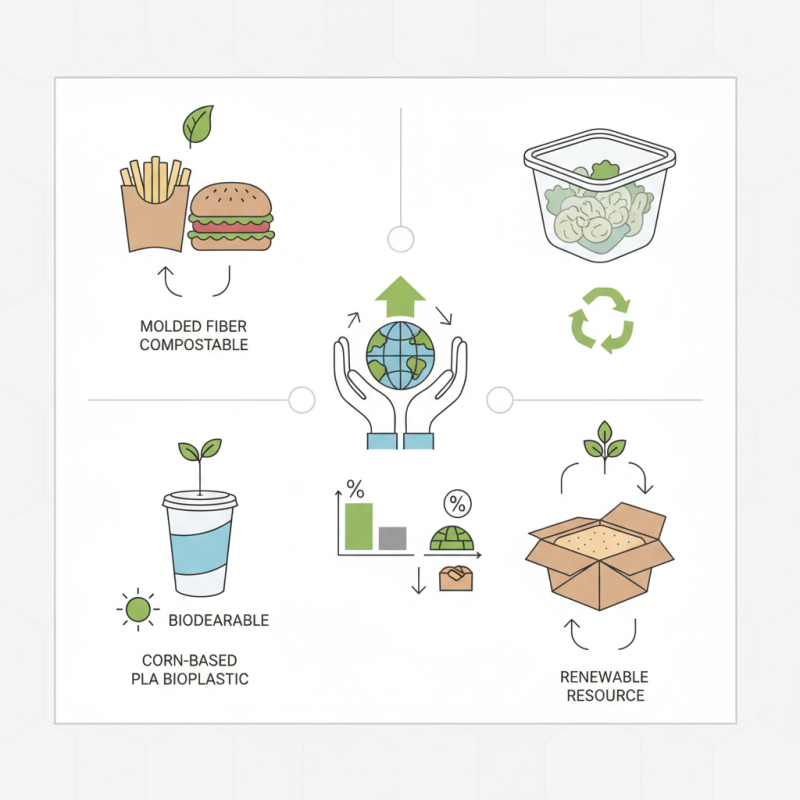
Top Eco-Friendly Materials for Fast Food Containers
As consumers become increasingly environmentally conscious, the demand for eco-friendly materials in fast food containers has surged. According to a recent report by the Global Market Insights, the biodegradable packaging market is projected to reach $400 billion by 2027, with a significant portion attributed to the food service industry. Fast food containers made from materials such as plant-based plastics, recycled paper, and sugarcane bagasse not only reduce landfill waste but also contribute to a lower carbon footprint.
In addition to biodegradable options, compostable materials are gaining traction. A study published by the Biodegradable Products Institute indicated that compostable food containers can significantly diminish organic waste in landfills, where they break down more effectively than traditional plastic. Furthermore, materials like bamboo and wheat straw are emerging as sustainable alternatives, offering durability without compromising on environmental integrity. These innovations reflect a crucial shift in the fast food sector, where operators are actively seeking to align their packaging solutions with sustainability goals, ultimately catering to a growing base of eco-conscious customers.
Benefits of Using Sustainable Takeout Solutions
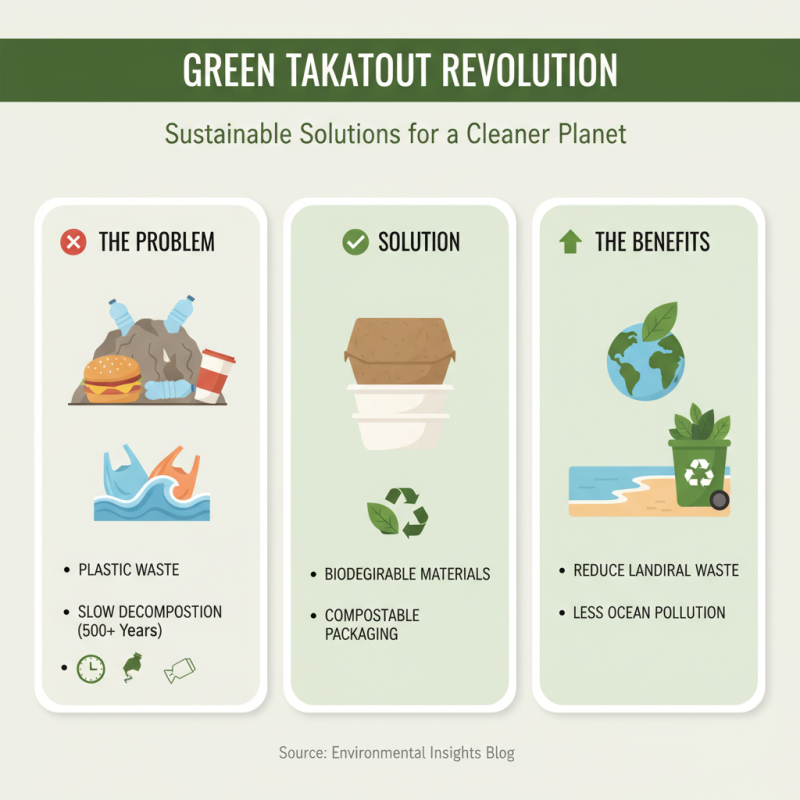
The growing awareness of environmental issues has led both consumers and businesses to seek sustainable alternatives in various industries, including the fast food sector. One significant benefit of using eco-friendly takeout solutions is the reduction of plastic waste. Traditional plastic containers take hundreds of years to decompose, contributing to landfill overflow and ocean pollution. By opting for biodegradable or compostable materials, businesses can help lessen their environmental footprint and promote a cleaner planet.
Another advantage of sustainable takeout options is their potential to enhance a brand’s image. As customers become more environmentally conscious, they are likely to favor establishments that reflect their values. Utilizing eco-friendly containers sends a strong message about a company’s commitment to sustainability, which can attract and retain a dedicated customer base looking for responsible dining choices. Additionally, these solutions can often be made from renewable resources, fostering a circular economy that benefits both the environment and the community.
Popular Eco-Friendly Fast Food Container Designs
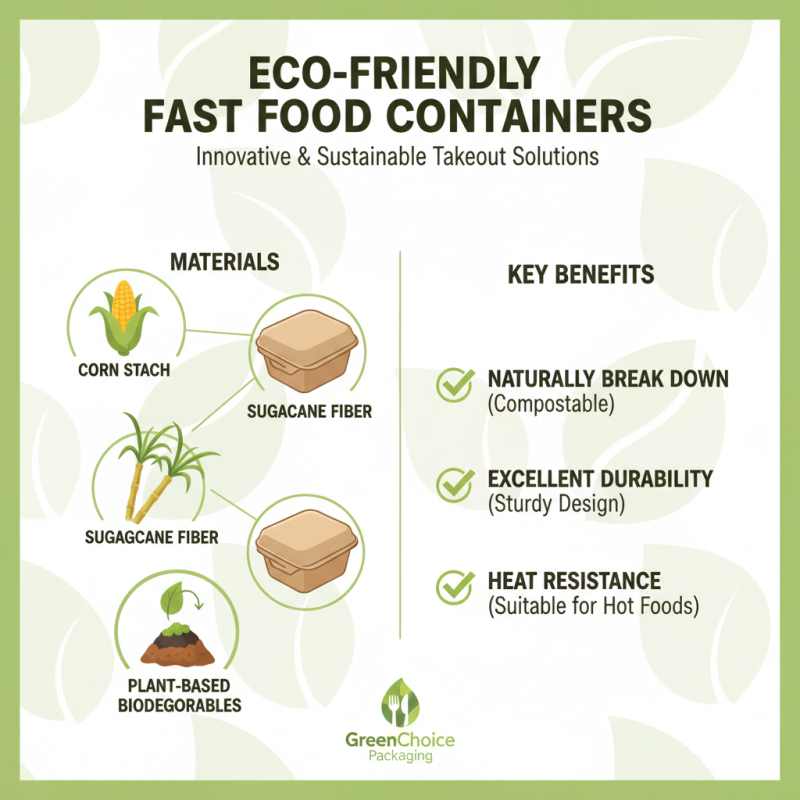
As the demand for environmentally responsible practices grows, many fast food establishments are seeking innovative solutions for their takeout options. When it comes to eco-friendly fast food container designs, a range of materials and styles have emerged to cater to both sustainability and functionality. Biodegradable containers made from plant-based materials, like corn starch or sugarcane, are becoming increasingly popular. These containers not only break down naturally over time but also offer excellent durability and heat resistance, making them a suitable choice for various types of food.
Another trend in eco-friendly fast food packaging is the use of compostable paper containers. Often treated with natural wax to create a moisture barrier, these containers provide a sustainable alternative to traditional plastic. Additionally, reusable packaging systems are gaining traction, encouraging customers to bring their containers for takeout, thereby reducing waste significantly. With eye-catching designs that emphasize their eco-conscious nature, such containers can help businesses communicate their commitment to sustainability while appealing to environmentally conscious consumers. As the fast food industry continues to evolve, these innovative designs play a vital role in shaping a greener future.
Challenges in Implementing Eco-Friendly Packaging
The implementation of eco-friendly packaging in the fast-food industry presents several significant challenges that must be navigated to create sustainable takeout solutions. One of the foremost obstacles is the inherent cost associated with biodegradable or recyclable materials. Many eco-friendly packaging options are often more expensive than traditional materials, which can deter fast-food chains from making the transition. Increased costs can lead to higher menu prices, potentially alienating budget-conscious consumers who prioritize affordability over sustainability.
Another challenge lies in the durability and usability of eco-friendly packaging. Fast food is known for its convenience and speed, and packaging needs to maintain the integrity of food during transport. Many eco-friendly materials may not offer the same level of protection or thermal insulation as conventional plastics, leading to concerns about food safety and quality. Furthermore, the adoption of these materials often requires businesses to rethink their operational processes, from sourcing to waste management, which can be a daunting task for many establishments already struggling with operational efficiency.
Lastly, consumer awareness and acceptance play a crucial role in the success of eco-friendly initiatives. Many consumers remain unaware of the environmental impact of traditional packaging and may not actively seek out sustainable options. Educating the public about the importance of eco-friendly practices is essential to driving demand and encouraging more fast-food outlets to embrace sustainable packaging solutions. Overcoming these challenges requires collaboration among businesses, consumers, and policymakers to create a more environmentally responsible food service industry.
Future Trends in Sustainable Fast Food Packaging Solutions
The fast food industry is gradually shifting towards more sustainable packaging solutions in response to growing consumer demand for eco-friendly practices. According to a report by Grand View Research, the global green packaging market is anticipated to reach $500 billion by 2028, with the food and beverage sector being a significant contributor. This shift is largely driven by increased awareness about plastic pollution and a rising preference for biodegradable materials among consumers. Fast food chains are now exploring alternatives such as plant-based containers, compostable wraps, and reusable packaging systems that significantly reduce environmental impact.
Future trends indicate an increasing reliance on innovative materials and technology to create sustainable packaging. Research from Smithers Pira suggests that by 2025, nearly 60% of fast food packaging will come from renewable sources. Furthermore, advancements in material science are leading to the development of packaging that not only meets sustainability goals but also maintains food safety and quality. Incorporating smart packaging technology, like moisture sensors and QR codes for recycling instructions, can further enhance consumer engagement and encourage responsible disposal practices. As the industry embraces these trends, the adoption of eco-friendly practices is expected to become a standard, shaping a greener future for fast food packaging solutions.
Top Fast Food Container Choices for Eco-Friendly Takeout Solutions
| Container Type |
Material |
Biodegradability |
Recyclability |
Average Cost per Unit |
| Biodegradable Clamshell |
PLA (Polylactic Acid) |
Yes |
Yes |
$0.10 |
| Kraft Paper Bag |
Recycled Paper |
Yes |
Yes |
$0.05 |
| Compostable Bowl |
Sugarcane Fiber |
Yes |
Yes |
$0.15 |
| Reusable Plastic Container |
Polypropylene |
No |
Yes |
$0.20 |
| Recycled Aluminum Tray |
Recycled Aluminum |
Yes |
Yes |
$0.30 |