10 Essential Tips for Choosing the Best Disposable Food Packaging Container?
As the food service industry evolves, the choice of Disposable Food Packaging Containers becomes more critical. According to a report by Smithers Pira, the global market for disposable packaging will reach $441 billion by 2027. This growth highlights the importance of making informed choices in packaging materials, especially considering environmental impacts and consumer preferences.
Industry expert Dr. Lisa Wright emphasizes, "Choosing the right Disposable Food Packaging Container can enhance food safety while aligning with sustainable practices." This statement resonates in a time when consumers increasingly prioritize eco-friendly options. However, many businesses still grapple with balancing cost and sustainability.
While the market offers numerous choices, factors like material durability and insulation quality often complicate decisions. Sticking to the cheapest option may lead to unsatisfactory customer experiences. Reflection is needed on how packaging choices affect brand reputation and customer loyalty in the long run. Selecting effective Disposable Food Packaging Containers is a task that warrants careful consideration and expertise.
Understanding Your Packaging Needs: Types of Disposable Containers
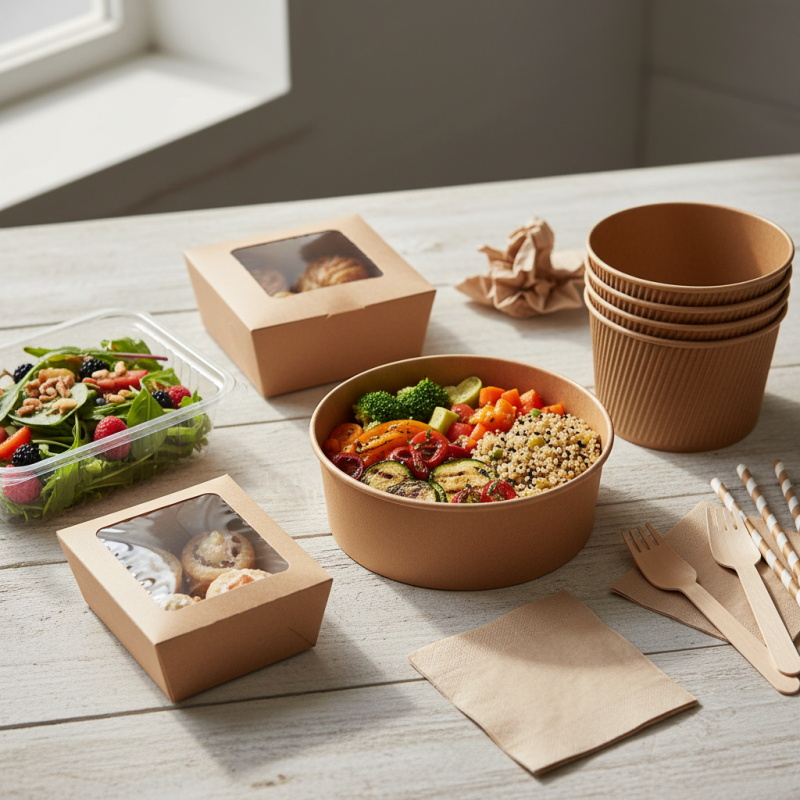
When selecting disposable food packaging containers, it's crucial to understand the various types available. There are options like clamshells, bowls, and trays. Each one serves a different purpose. Clamshells provide great protection for salads and sandwiches. They keep food fresh and safe during transport. Bowls are perfect for soups and salads, while trays are ideal for meal kits.
Material also matters. Containers come in paper, plastic, and biodegradable options. Paper containers can be eco-friendly but might not hold liquids well. Plastic containers are lightweight and versatile but can harm the environment. Biodegradable options offer a sustainable choice. However, they may have durability issues.
It's essential to consider the fit for your specific food items. Not all containers will work for every type of dish. Assessing your needs means looking at size, temperature control, and functionality. An ideal container might not exist. Experimenting with different types may expose flaws. Embrace the learning process. Take note of what works and what doesn’t.
10 Essential Tips for Choosing the Best Disposable Food Packaging Container
| Container Type |
Material |
Ideal Use |
Temperature Resistance |
Eco-Friendliness |
| Clamshell Containers |
Plastic |
Salads, Sandwiches |
Cold to Warm |
Moderate |
| Paper Containers |
Paperboard |
Take-out, Soups |
Cold to Hot |
High |
| Foam Containers |
Polystyrene |
Fast Food, Fried Foods |
Hot |
Low |
| Biodegradable Containers |
PLA, Sugarcane |
Deli Foods, Desserts |
Cold to Warm |
Very High |
| Aluminum Containers |
Aluminum Foil |
Baked Goods, Casseroles |
Hot |
Moderate |
Material Matters: Choosing Safe and Sustainable Packaging Options
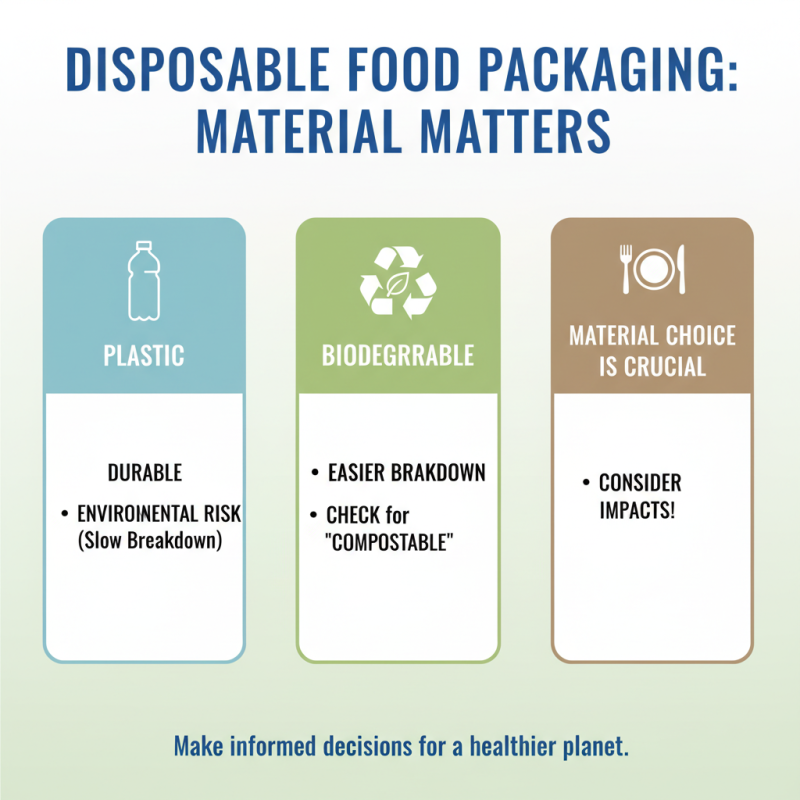
When selecting disposable food packaging containers, material choice is crucial. Many people overlook the impacts of different materials. Plastic is often favored for its durability. However, it poses environmental risks. Biodegradable options are gaining popularity. They break down more easily, but consumers need to ensure that they are truly compostable.
Paper containers are another option. They are often made from recycled materials, which reduces waste. Still, they may not hold up well against liquids. Consider the type of food being packaged. Greasy foods can compromise paper integrity. This raises questions about functionality versus sustainability.
It’s tempting to choose based solely on price. Cheap options can seem appealing at first. But in the long run, they may not be eco-friendly. Think about the entire lifecycle of the product. Some materials may harm the environment long after disposal. Mindful choices promote health and sustainability for future generations.
Size and Volume: Selecting the Right Container for Your Food Items
When selecting disposable food packaging containers, size and volume are critical factors. Consider the type of food you plan to serve. Each dish requires distinct portions. For example, a serving of pasta might need a larger container than a salad. Understanding these differences is key to making the right choice.
Think about the quantity, too. Are you packing individual meals or larger family portions? Individual servings typically require smaller containers. They should be easy to handle and transport. If you offer family-size options, use larger containers that still allow for safe stacking.
Also, reflect on the food's characteristics. Does it have high liquid content? Choose containers that can prevent leaks. Consider how well the container retains heat. A well-chosen size facilitates easy eating. An ill-fitting container could cause spills and mess. Research shows that the right fit enhances customer experience. Be mindful of these nuances as you make your decision.
Disposable Food Packaging Containers: Size and Volume Comparison
Cost Efficiency: Balancing Quality and Budget for Disposable Packaging
Choosing the right disposable food packaging is not just about quality. It also requires careful consideration of cost efficiency. According to industry reports, over 45% of businesses find it challenging to balance quality and budget in disposable packaging. The choice affects both customer satisfaction and profit margins.
Price often drives decisions. However, the cheapest option may compromise quality. Inferior materials can lead to leaks or spoilage, impacting the food's freshness. Data shows that businesses reporting high customer complaints spent up to 30% more on cheaper packaging solutions. In contrast, investing a bit more can improve the overall experience and reduce waste.
Moreover, sustainable options are becoming essential. A recent study found that 66% of consumers prioritize environmentally friendly packaging. While these options may cost more, they can enhance brand loyalty. Brands that embrace sustainability reap rewards. Consumers are ready to pay a premium for green products. Finding this balance is key. It requires ongoing reflection and adaptation.
Regulatory Considerations: Ensuring Compliance with Food Safety Standards
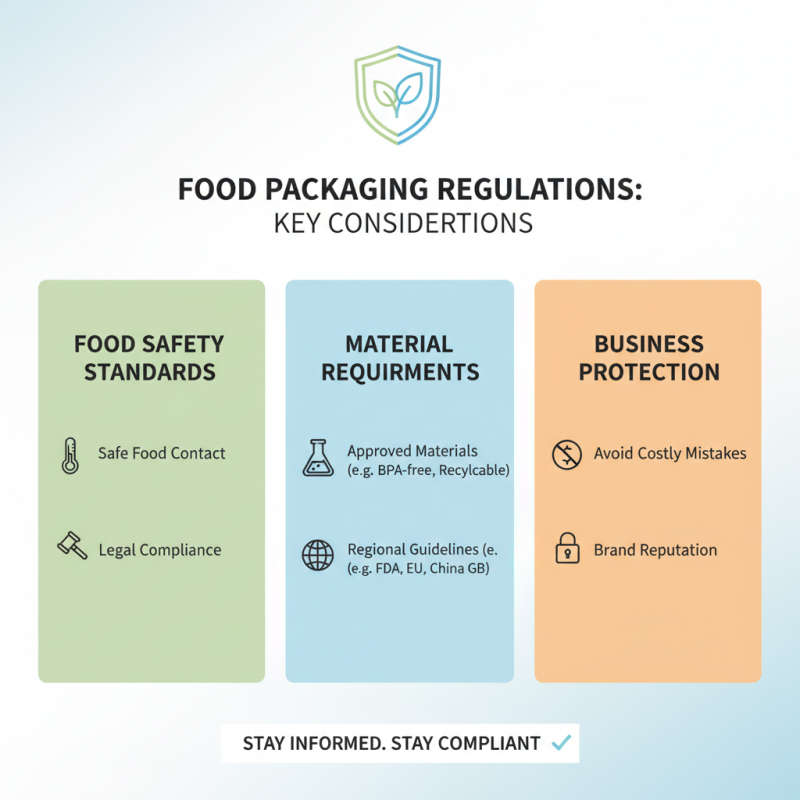
When selecting disposable food packaging containers, regulatory considerations play a key role. Understanding food safety standards is essential. Compliance ensures that your packaging is safe for food contact. It also protects your business from potential legal issues. Many regions have specific regulations regarding materials used in food packaging. Knowledge of these requirements can save you from costly mistakes.
Material safety is crucial. Not all plastics are suitable for food use. Look for containers labeled as food-grade. These designs undergo testing for harmful substances. Still, there are gray areas in the regulations. Some manufacturers may not provide clear information on their products. This lack of transparency can lead to compliance failures. Always request documentation from suppliers to confirm their products meet safety standards.
Environmental impact is another factor. Many disposable options are recycled, but not all. Regulations about environmental claims can be vague. Some materials may appear eco-friendly but are not. Evaluate the life cycle of your packaging choice. Consider if it contributes to better waste management. Balancing safety, compliance, and environmental concerns is challenging yet important. Make informed decisions to enhance food safety and sustainabiity in your operations.