What Are Microwave Paper Plates and Are They Safe for Heating Food?
In recent years, the use of Microwave Paper Plates has gained significant popularity among households and food establishments alike for their convenience and versatility. With busy lifestyles and the increasing demand for quick meal solutions, many people rely on these disposable plates to heat and serve food efficiently. However, the safety of using Microwave Paper Plates has raised some concerns among consumers regarding their potential impact on health and the environment.
Dr. Emily Chen, a food safety expert, emphasizes the importance of understanding the materials used in these plates. She states, "While Microwave Paper Plates can offer a convenient option for reheating meals, it's crucial to ensure they are labeled as microwave-safe, as not all paper plates can withstand high temperatures without leaching harmful substances." This highlights the need for consumers to be informed about safe practices when using Microwave Paper Plates to avoid any unintended consequences.
As we delve deeper into the topic of Microwave Paper Plates, it is essential to explore not just their composition and safety features, but also the best practices for using them in a microwave setting. By doing so, we can provide valuable insights for consumers who wish to enjoy the benefits of these practical dining solutions while ensuring their meals remain safe and wholesome.
What Are Microwave Paper Plates?
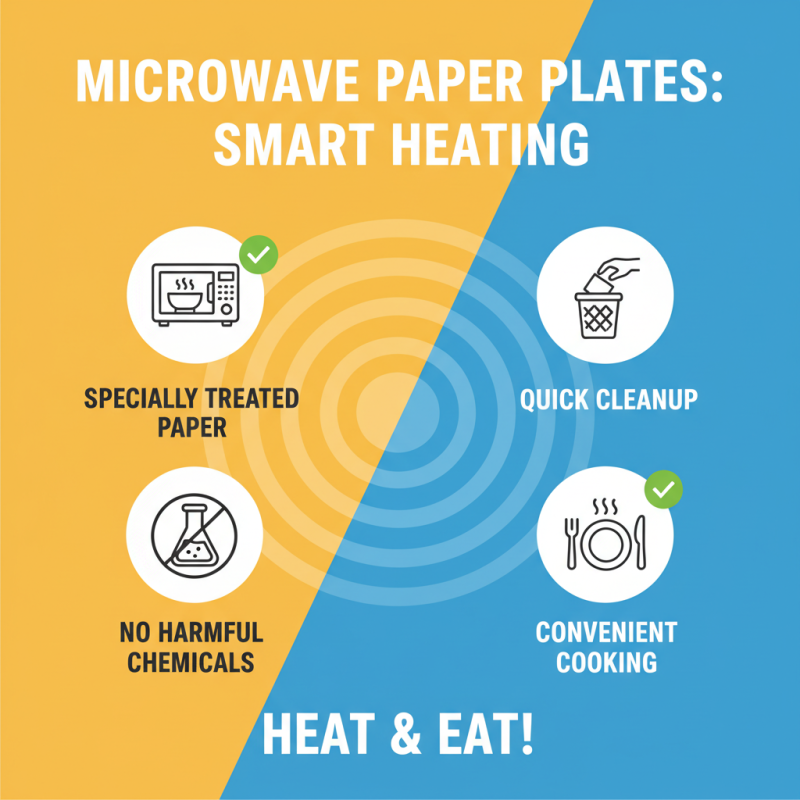
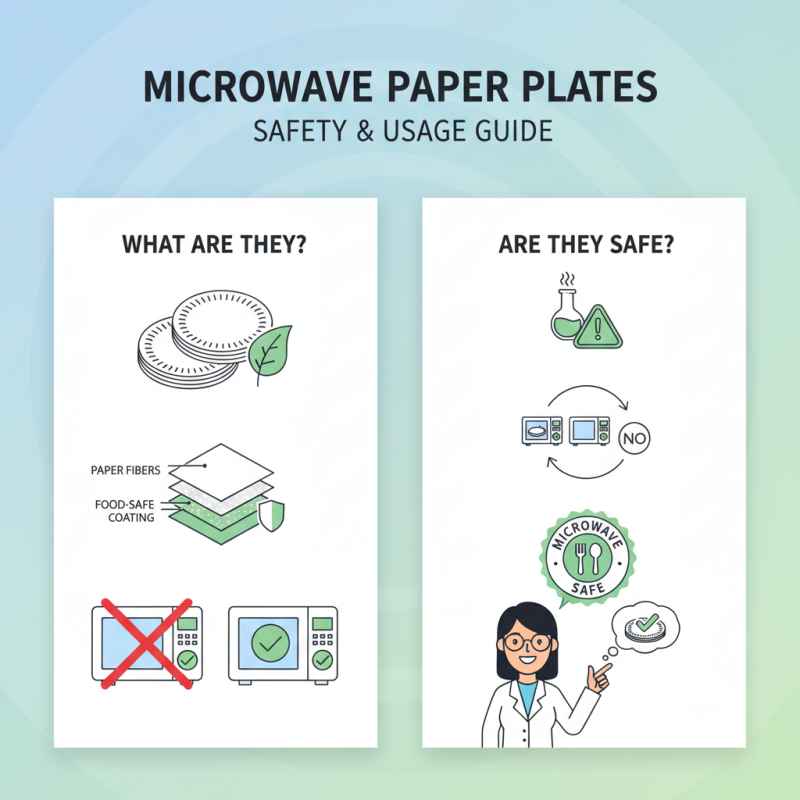
Microwave paper plates are specially designed disposable plates made from paper materials that can withstand the heat generated in a microwave. Unlike regular paper plates, which may not be suitable for heating food, microwave-safe paper plates are treated to ensure they don't release harmful chemicals or get damaged when exposed to microwaves. These plates provide a convenient option for quickly heating food without the cleanup hassle associated with traditional dishes.
When using microwave paper plates, it’s important to ensure they are labeled as microwave-safe. This designation indicates that they can handle the temperatures involved without breaking down or causing any safety issues. Additionally, avoid using plates that have metallic decorations or coatings, as these can spark and cause fires in the microwave.
Tips: For best results, always check the recommended heating times and avoid overheating food, which could lead to uneven heating or damaging the plate. Furthermore, when stacking multiple plates, consider placing a microwave-safe barrier in between to promote even heat distribution. Lastly, take care when removing the plate from the microwave, as it may be hot and could pose a burn hazard.
Composition and Materials Used in Microwave Paper Plates
Microwave paper plates are specifically designed to withstand the heat generated in microwave ovens while providing a convenient way to serve food. The primary materials used in these plates are high-quality paper fibers, which are often treated with a coating to enhance their durability and heat resistance. Typically, these coatings are made from safe substances, such as wax or silicone, which allow the plates to endure the microwave environment without melting or releasing harmful chemicals.
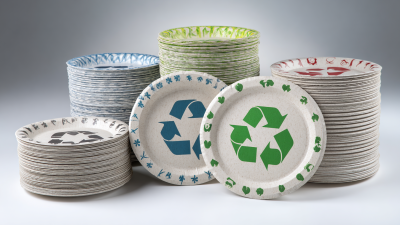
In addition to the paper and coating materials, many microwave paper plates are produced with a focus on sustainability. Manufacturers often use recycled paper fibers and eco-friendly processes to minimize environmental impact. This commitment to green materials not only helps reduce waste but also ensures that the plates safely hold a variety of foods, from hot to cold items. By understanding the composition and materials used in microwave paper plates, consumers can make informed choices about their use in everyday cooking and dining.
Usage and Safety of Microwave Paper Plates
Safety Standards for Microwave Paper Plates
When it comes to using microwave paper plates for heating food, safety is a paramount consideration. Microwave paper plates are specifically designed to endure the heat generated in microwaves, but not all paper products are created equal. To ensure safety, these plates must meet specific standards. Look for products that are marked as microwave-safe, indicating they have been tested for heat retention and are free from harmful substances that could leach into food during heating.
Tips: Always check the packaging for a microwave-safe label before using any paper plate. Avoid using standard paper plates that are not intended for microwave use, as they may catch fire or release toxic chemicals when heated. It’s also advisable to use paper plates without metallic elements, as metal can create sparks and pose a fire risk.
In addition to safety labeling, consider the construction of the plates. Some microwave-safe paper plates have reinforced edges for sturdiness, which can help prevent spills or tears when handling hot foods. It's also wise to avoid using paper plates for prolonged heating or with foods that require extensive cooking times, as this can cause the plates to break down over time. Always test their durability first with shorter heating periods and monitor how they perform.
Potential Risks of Heating Food on Microwave Paper Plates
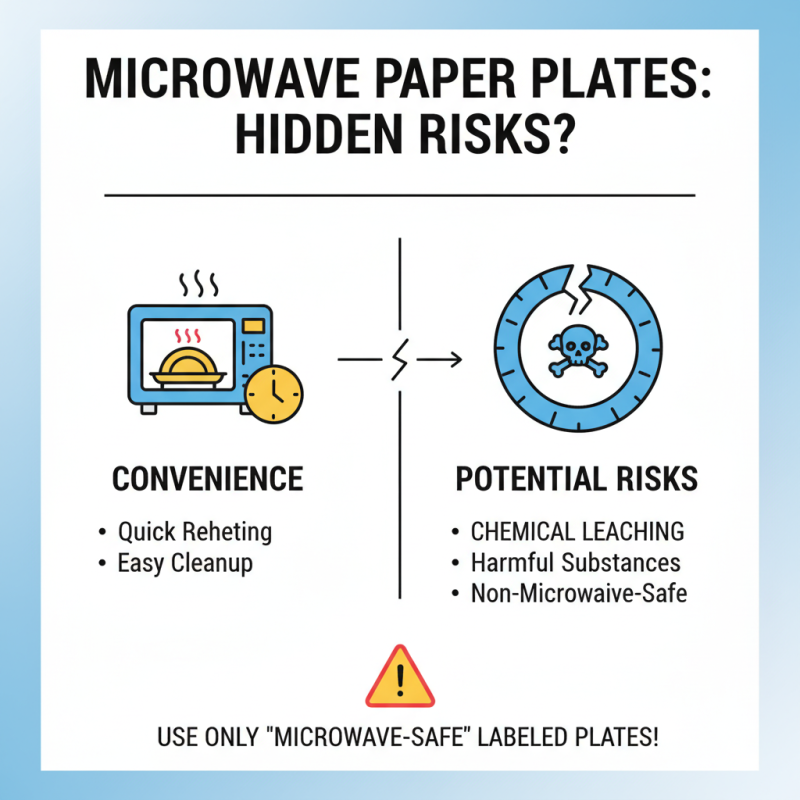
When it comes to convenience in the kitchen, microwave paper plates are often seen as a practical solution for reheating food. However, there are potential risks associated with using these plates that warrant careful consideration. One major concern is the possibility of chemical leaching. Many paper plates are coated with substances that can break down under high temperatures, potentially releasing harmful chemicals into the food. This is particularly relevant for plates that are not explicitly labeled as microwave-safe, as the safety of the materials used in their production can be questionable.
Another risk lies in the structural integrity of microwave paper plates when subjected to heat. While they are designed to handle lightweight foods, they may become weak or soggy when heated, especially when the food is moist or fatty. This can lead not only to a messy cleanup but also to the risk of spills or accidents. Additionally, the potential for combustion should not be overlooked; if heated for too long, these plates can ignite, posing a fire hazard. Therefore, it's essential for users to exercise caution and ensure they are utilizing products specifically designed for microwave use to mitigate these risks.
Best Practices for Using Microwave Paper Plates in the Kitchen
When using microwave paper plates in the kitchen, it is crucial to follow certain best practices to ensure both safety and efficacy. First, always check for the label indicating that the paper plate is microwave-safe. Not all paper plates are designed to withstand microwave heat, and using those that aren't can result in melting or releasing harmful chemicals into food. Additionally, avoid using paper plates with metallic accents or coatings, as these can spark in the microwave and possibly cause a fire.
Proper handling is equally important. When heating food, ensure that the paper plate is full to prevent any risk of it warping or collapsing under the weight. It's advisable to use a microwave-safe cover or another plate on top to create a more even heating environment, which can also help prevent splatters. If the food needs to cook for an extended period, check every few minutes to monitor the heating process. Lastly, always allow the plate to cool down before handling it, as it can become quite hot during microwaving, potentially leading to burns. Following these guidelines will help ensure that using microwave paper plates is a safe and convenient option for quick meals.
What Are Microwave Paper Plates and Are They Safe for Heating Food? - Best Practices for Using Microwave Paper Plates in the Kitchen
| Attribute |
Details |
| Material Composition |
Wood pulp, biodegradable materials |
| Microwave Safe? |
Yes, if labeled as microwave safe |
| Heat Resistance |
Typically up to 220°F (104°C) |
| Common Uses |
Servings for snacks, takeout meals, and appetizers |
| Best Practices |
Avoid oily or wet foods, check for any plastic coatings |
| Environmental Impact |
Biodegradable options available, less waste than plastic |
| Alternatives |
Microwave-safe glass, ceramic plates |