What is a Paper Plate Bowl and Why is it Popular Worldwide?
In recent years, Paper Plate Bowls have gained immense popularity across the globe. These versatile and eco-friendly solutions serve various purposes, from casual parties to formal gatherings. According to a report by the Market Research Group, the demand for disposable dinnerware has surged by 25% in the past five years. This trend emphasizes convenience and the growing awareness of sustainable products.
Expert Jennifer Hayes, a sustainability consultant, states, “Paper Plate Bowls are redefining how we approach disposable dining. They blend practicality with environmental mindfulness.” Despite their rising appeal, some questions linger regarding the environmental impact of widespread usage. While many Paper Plate Bowls are made from recycled materials, not all products on the market adhere to sustainable practices. Users need to be discerning. Education about proper disposal methods can further mitigate waste issues.
The future of Paper Plate Bowls lies in innovation and responsible consumption. Consumers are increasingly looking for products that offer both convenience and environmental responsibility. As the market evolves, continuous reflection on sustainability practices is essential for manufacturers and consumers alike. Paper Plate Bowls showcase the potential for disposables to be both functional and eco-conscious.
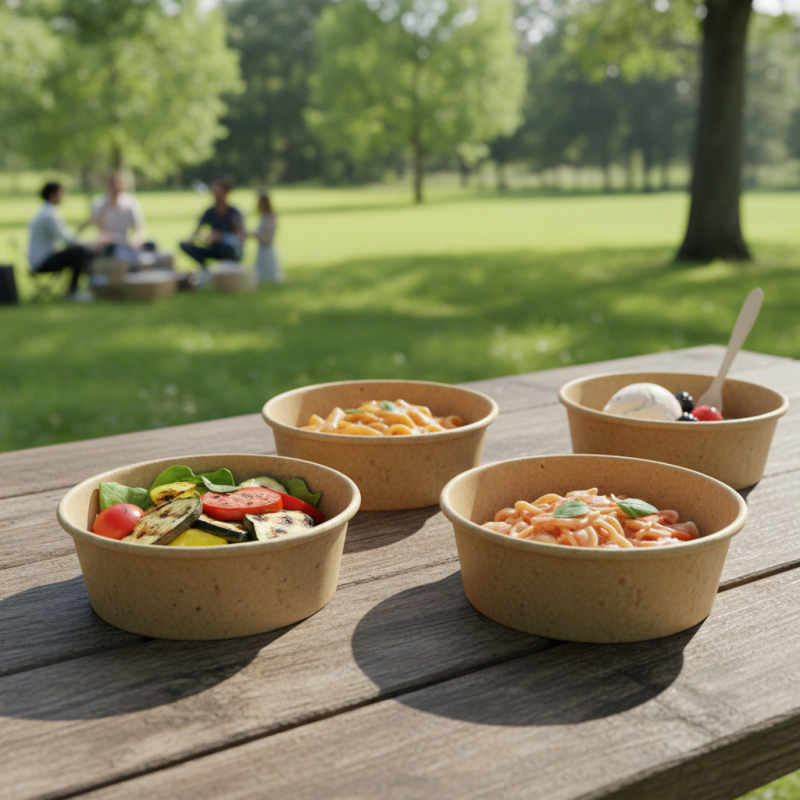
Definition of a Paper Plate Bowl and Its Characteristics
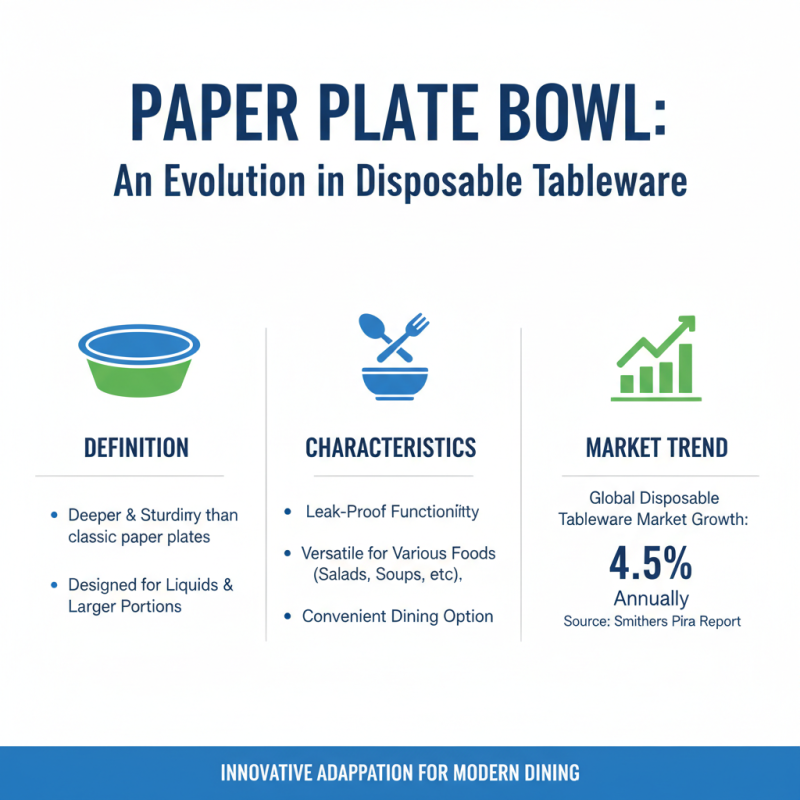
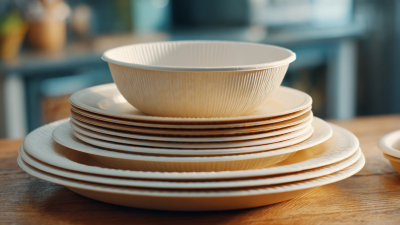
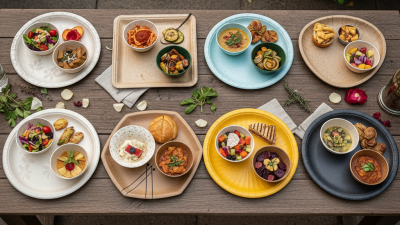
A paper plate bowl is an innovative adaptation of the classic paper plate. It is deeper and sturdier, designed to hold liquids and larger portions without leaking. This functionality makes it a versatile choice for various types of food, from salads to soups. According to a report from Smithers Pira, the global market for disposable tableware is set to grow by 4.5% annually, revealing the increasing reliance on convenient dining options.
One notable feature of paper plate bowls is their eco-friendliness. Many manufacturers use biodegradable materials, which appeal to environmentally conscious consumers. The World Economic Forum estimates that about 300 million tons of plastic waste generated each year could be reduced significantly by using alternatives like these bowls. However, quality can vary, and not all products meet stringent safety standards. This inconsistency can lead to unexpected failures during use, leaving consumers frustrated.
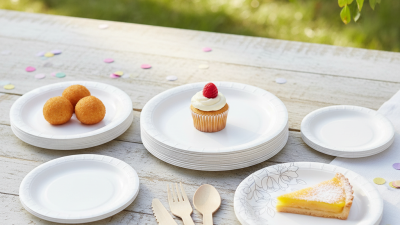
In social gatherings and events, paper plate bowls provide a practical solution. They eliminate the need for washing dishes, catering to busy lifestyles. The ease of disposal adds to their popularity. Yet, the reliance on disposable items amplifies concerns about waste management. The challenge is balancing convenience with sustainability, urging consumers to reflect on their choices.
Historical Background of Paper Plate Bowls and Their Evolution
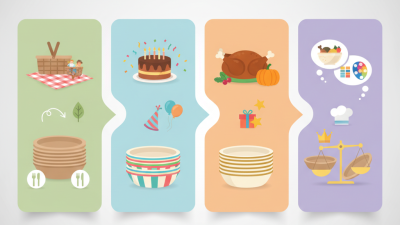
The paper plate bowl has an interesting history. Initially created for convenience, these bowls became popular in the mid-20th century. They suited busy lifestyles, offering a simple solution for meals and snacks. Families found them handy for picnics and parties. Over time, designs evolved to capture a wider audience. Bright colors and patterns emerged, making them appealing for diverse occasions.
Tips for using paper plate bowls include ensuring they can hold liquids securely. Look for options with sturdy construction to prevent leaks. For eco-conscious users, consider how these bowls impact the environment. Many options today are made from recycled materials, which is a positive trend. However, reflect on your usage and disposal habits.
As these bowls continue to evolve, the demand for sustainability will grow. Innovations are happening, such as compostable materials. Understanding their history helps us appreciate their presence in our lives. There is value in considering both convenience and environmental impact.
What is a Paper Plate Bowl and Why is it Popular Worldwide?
| Dimension |
Description |
| Material |
Typically made from paperboard, often biodegradable or compostable. |
| Size Range |
Available in sizes ranging from 6 to 12 inches in diameter. |
| Usage |
Used for serving food, salads, snacks, and appetizers in casual settings. |
| Popularity Factors |
Affordable, disposable, and an eco-friendly alternative for outdoor events. |
| Cultural Impact |
Commonly used in parties, picnics, and festivals around the world. |
| Historical Origin |
Originated in the 20th century as a convenient dining solution. |
Reasons for the Popularity of Paper Plate Bowls Worldwide
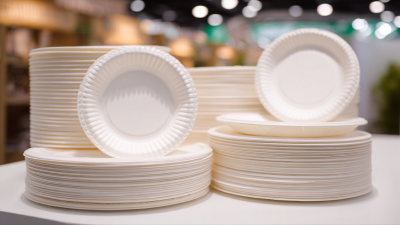
Paper plate bowls have gained immense popularity around the world. Their design is simple, yet practical. They offer a lightweight alternative to traditional bowls. People love them for their convenience, particularly at gatherings and events. Imagine a picnic where everyone can easily enjoy a meal without the hassle of washing dishes afterward.
Another reason for their popularity is the eco-friendly options available. Many manufacturers use biodegradable materials. This appeals to environmentally conscious consumers. It reflects a growing trend towards sustainability. Using paper plate bowls reduces plastic waste, making them an attractive choice for eco-friendly gatherings.
A downside exists, though. Some consumers feel these bowls lack sturdiness. They can become soggy with certain foods. Users might need to consider whether they are suitable for their specific needs. The growing popularity of paper plate bowls indicates a shift in food culture. They are becoming a staple in casual dining, parties, and outdoor events.
Popularity of Paper Plate Bowls Worldwide
Innovative Uses of Paper Plate Bowls in Different Cultures
Paper plate bowls have emerged as a versatile item in various cultures. They are not only practical but also creative. In many countries, they serve as eco-friendly options for serving food. For instance, in some parts of South Asia, people use them during festivals. They often adorn paper bowls with vibrant artwork, making them part of cultural celebrations.
In Africa, families often utilize these bowls for communal meals. They’re convenient for gatherings and picnics. The beauty lies in their simplicity. They reduce the need for extensive dishwashing, promoting more time spent with loved ones.
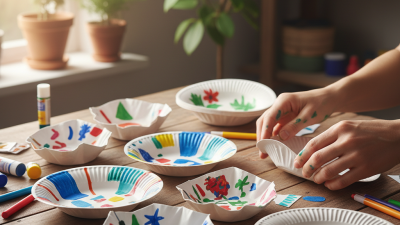
Tips to maximize the utility of paper plate bowls include: reinforcing them with a double layer for sturdiness. Consider using them for arts and crafts. Children can turn them into masks or decorative pieces. Choose environmentally friendly options that break down easily. This supports sustainability and shows respect for nature. Remember, embracing imperfection can lead to unique creations that reflect individual or cultural identity.
Environmental Impact and Sustainability of Paper Plate Bowls
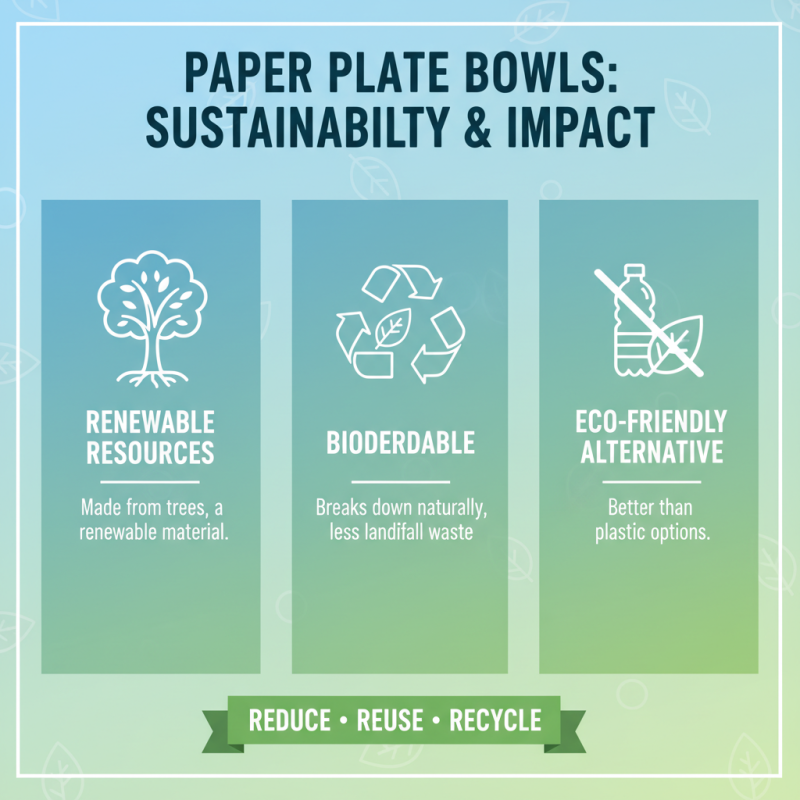
Paper plate bowls have gained popularity for their convenience and versatility. However, their environmental impact is an important aspect to consider. Made from renewable resources such as trees, these bowls can be a more sustainable option compared to plastic alternatives. They are biodegradable and break down over time, reducing landfill waste.
Using paper plate bowls aligns with eco-friendly practices. Yet, the production process still has a carbon footprint. It’s vital for consumers to seek bowls that are certified and produced sustainably. Many manufacturers use recycled materials, minimizing environmental harm.
Tips: Choose products that are labeled as compostable. Check for certifications indicating sustainable practices. Also, consider your usage: can you reuse them, or will they end up in the trash after a single use? Thoughtful choices can lessen their ecological impact significantly. Remember that while paper plates offer convenience, using them responsibly is key to sustainability.