Are Paper Plates Recyclable in 2026 Trends and Insights?
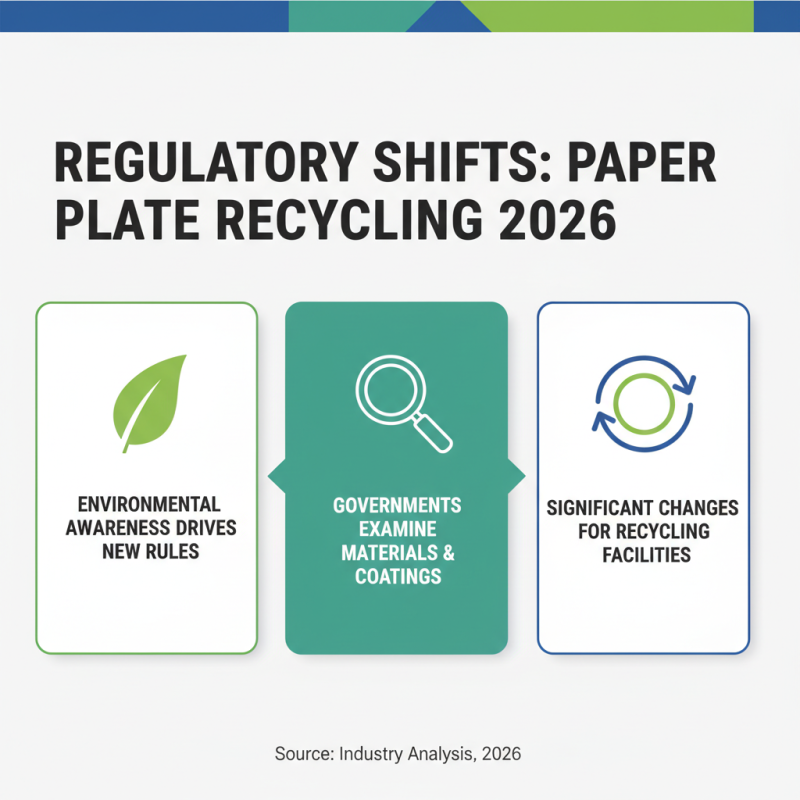
As environmental concerns grow, the question of whether paper plates are recyclable has become pressing. In 2026, the trends and insights surrounding "Paper Plates Recyclable" will be critical as society seeks sustainable alternatives. Many assume that all paper products are recyclable, but this is not always true.
The composition of paper plates poses challenges. Frequently, these plates are coated with plastic or wax, which complicates recycling processes. Consumers need to know the specifics of their local recycling programs. Some communities do accept certain types of paper plates, while others do not. Awareness of these differences can lead to better waste management.
In 2026, we may see improved recycling technologies and increased public education. Nonetheless, the question remains: Are paper plates recyclable? As we reflect on our habits, it’s essential to consider not just convenience, but the long-term impacts of our choices on the environment.

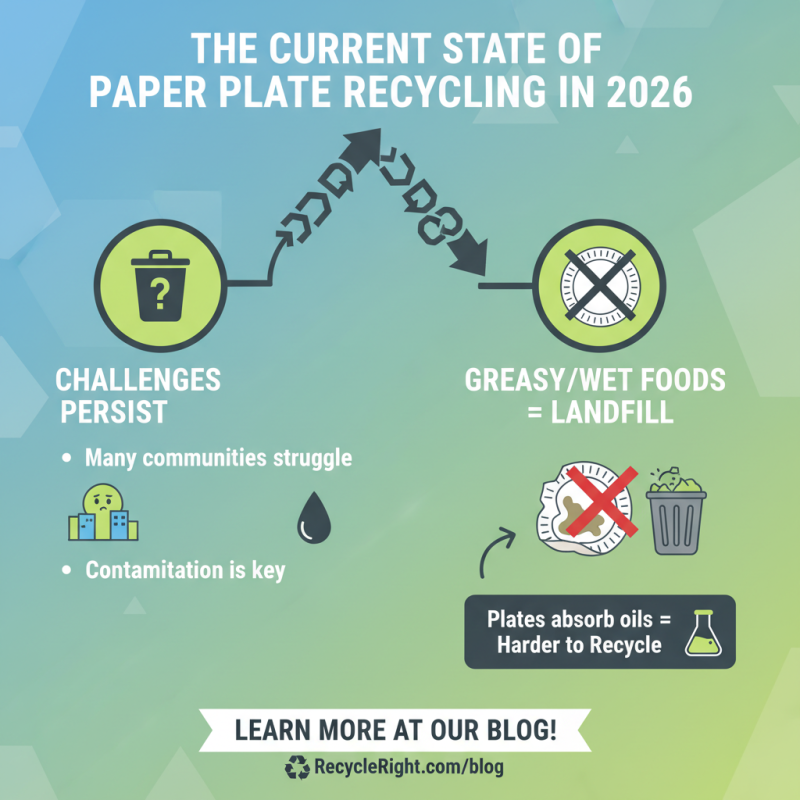
The Current State of Paper Plate Recycling in 2026
In 2026, the state of paper plate recycling has evolved, but challenges persist. Many communities still struggle to recycle these items effectively. A significant factor influencing this is contamination. Plates that have been used for greasy or wet foods often end up in landfills. Paper plates can absorb oils, making them harder to recycle.
The quality of paper plates also varies. Some are coated with plastic, which complicates the recycling process. Not all recycling facilities can handle these materials. Consequently, many consumers are unaware of the proper disposal methods. A lack of awareness leads to confusion about their recyclability.
Efforts to improve recycling awareness are ongoing. Educational campaigns aim to inform the public. While strides have been made, many still rely on single-use products. This reliance raises questions about sustainability. The outlook for paper plate recycling in 2026 remains uncertain, highlighting the need for continued research and innovation.
Key Factors Influencing Paper Plate Recyclability Trends
The recyclability of paper plates in 2026 is influenced by several critical factors.
One major factor is the type of materials used in production. Many paper plates are coated with plastics, making them
non-recyclable in standard recycling processes. In the United States, approximately 40%
of paper products end up in landfills due to contamination or improper sorting.
Another significant factor is consumer awareness and behavior. Recent surveys indicate that only
25% of consumers understand what can be recycled. This gap in knowledge
leads to increased waste. Education on proper recycling practices could help improve the situation. Data from the
Environmental Protection Agency suggests that better consumer habits could enhance recycling rates by up to 30%
over the next few years.
Lastly, advancements in recycling technologies play a crucial role. Innovative methods such as chemical recycling may
offer new solutions for paper plates. According to a report by the National Recycling Coalition, effective technology
implementation could transform waste management in residential areas. However, these technologies require significant
investment and testing before full-scale adoption. The industry's slow pace in addressing these issues raises questions
about the future of paper plate recyclability.
Industry Statistics on Paper Plate Usage and Disposal
As the popularity of paper plates continues to soar, understanding their usage and disposal trends is crucial. Recent statistics reveal that the consumption of paper plates has increased significantly over the past few years. Many households rely on them for convenience, particularly during gatherings and events. However, this convenience comes at a potential environmental cost.
Despite being made from renewable resources, most paper plates are treated with coatings that hinder their recyclability. Estimates indicate that only a small percentage of paper plates are actually recycled. Many end up in landfills, contributing to waste. This raises questions about the sustainability of using paper plates. Choosing compostable options could be a better alternative, as they break down more easily.
Moreover, there is still a gap in consumer awareness regarding proper disposal methods. Many people are unsure if their paper plates can go in recycling bins. This confusion underlines the need for clearer labeling and education about waste management. Transitioning towards more environmentally friendly practices requires collective effort and informed choices. Understanding these trends is vital for making responsible decisions in 2026 and beyond.
Are Paper Plates Recyclable in 2026 Trends and Insights?
| Year |
Global Paper Plate Usage (Billion Units) |
Recycling Rate (%) |
Environmental Impact (Kg CO2) |
| 2021 |
50 |
25 |
1,200 |
| 2022 |
52 |
27 |
1,250 |
| 2023 |
54 |
30 |
1,300 |
| 2024 |
56 |
32 |
1,350 |
| 2025 |
58 |
35 |
1,400 |
| 2026 |
60 |
37 |
1,450 |
Innovations in Sustainable Paper Plate Manufacturing Processes
In recent years, sustainable manufacturing processes have transformed the paper plate industry. These innovations focus on reducing waste and improving recyclability. Traditionally, many paper plates contained plastic coatings. This made recycling difficult. New techniques replace plastics with biodegradable materials. These alternatives allow plates to break down without harming the environment.
Tips for choosing paper plates wisely: Look for products labeled as compostable. These are made from natural fibers that are more eco-friendly. When serving food, consider how you can minimize waste. Using smaller plates can reduce excess waste.
Manufacturers are now utilizing advanced technologies that minimize resource use. For instance, water-based inks are safer and easier to recycle. However, some products still face challenges in recycling facilities. Not every paper plate can be recycled due to contaminants. Understanding local recycling capabilities is crucial. This insight might help consumers make informed decisions. Exploring these innovations can lead to more sustainable choices in 2026.
Recyclability Trends of Paper Plates in 2026
This bar chart illustrates the expected increase in recyclability rates for paper plates from 2018 to 2026, showcasing advancements in sustainable manufacturing processes and materials.