Top 10 Fast Food Container Options for Global Buyers?
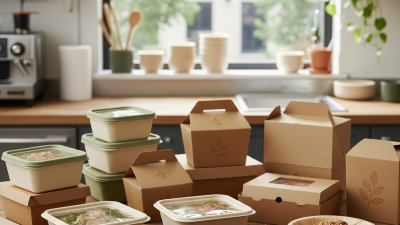
When it comes to food on the go, choosing the right Fast Food Container can make all the difference. With the growing demand for quick-service meals, it’s crucial for businesses to select containers that ensure freshness and appeal. The market offers a wide range of options, each designed with specific needs in mind. From biodegradable materials to insulating designs, the variety is vast and sometimes overwhelming.
Understanding the unique features of these Fast Food Containers is essential. Each option has its strengths and weaknesses. For example, some containers excel in insulation but may not be environmentally friendly. Others are recyclable but might compromise on durability. Buyers should carefully assess which qualities align with their brand values. This decision is significant, as it affects customer satisfaction and sustainability efforts.
The right choice of Fast Food Container can enhance customer experience and reduce waste. Yet, many businesses overlook the importance of these decisions. Rushing through the selection process can lead to mistakes. Reflecting on container properties and usage will guide buyers in making informed choices.
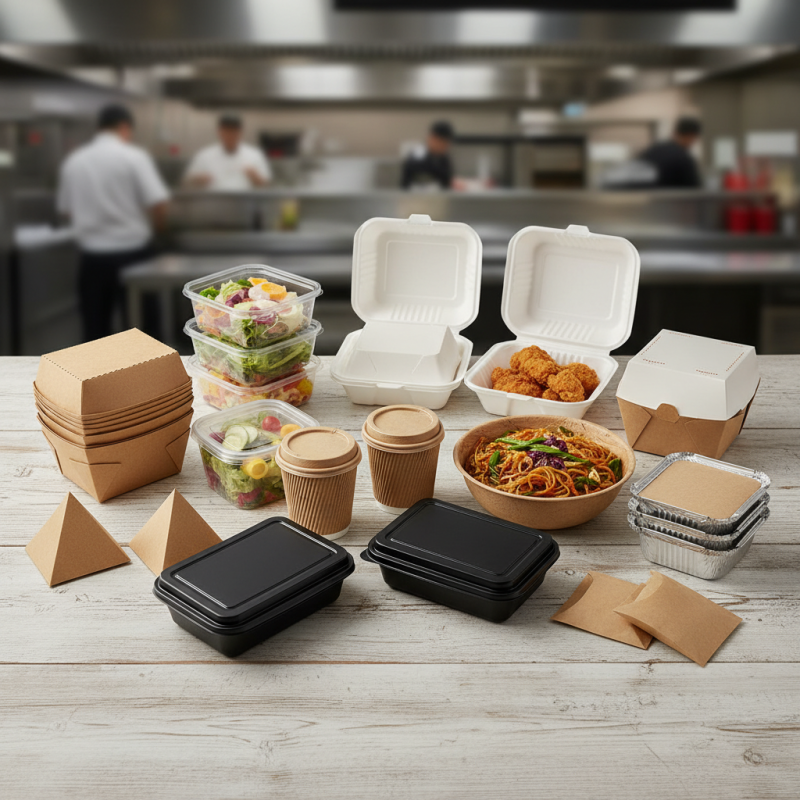
Top 10 Fast Food Container Options for Global Buyers
The global fast food industry requires efficient packaging solutions. Fast food containers play a crucial role in delivering quality meals to customers. According to a recent report by the Freedonia Group, the global food packaging market is expected to surpass $500 billion by 2025. This growth drives innovation in container design and materials.
Currently, paper, plastic, and biodegradable options dominate the market. Paper containers are preferred for their eco-friendliness and versatility. Many consumers now seek sustainable options. Plastic containers remain popular for their durability, yet pose environmental concerns. The rise of bioplastics addresses these issues, capturing around 15% of the market share last year according to Smithers Pira. However, the adoption of these materials is still inconsistent across regions.
Some fast food chains face challenges in finding reliable suppliers for eco-friendly packaging. Quality can vary significantly. Not all biodegradable options degrade as expected. This inconsistency can lead to consumer distrust. Continuous research is necessary to ensure quality and sustainability. Fast food providers must balance cost, durability, and environmental impact to meet evolving customer preferences.
Overview of Global Fast Food Container Market Trends
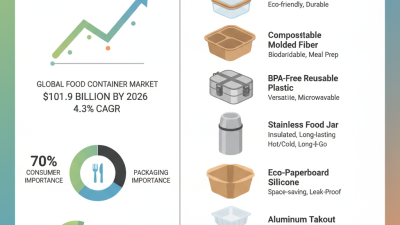
The global fast food container market is evolving rapidly. Recent reports indicate a significant rise in demand driven by convenience and sustainability trends. By 2026, the market is expected to reach over $60 billion, reflecting a compound annual growth rate (CAGR) of around 5%. This growth is fueled by the increasing focus on eco-friendly packaging options and disposable materials.
Sustainability is at the forefront. Many consumers prefer biodegradable and recyclable materials. A survey showed that 75% of buyers are willing to pay more for environmentally friendly packaging. However, challenges remain. Suppliers often struggle to balance sustainability with cost efficiency. The quality of materials can vary widely, impacting food safety and freshness.
Moreover, regional preferences play a crucial role in container design. In Asia, for instance, there’s a higher demand for smaller, multi-compartment containers. Meanwhile, European markets lean towards minimalistic designs that emphasize aesthetics and function. Despite these trends, providers need to constantly adapt to fluctuating regulations and consumer expectations. This dynamic environment requires ongoing research and innovation to stay relevant.
Popular Materials Used in Fast Food Packaging
When it comes to fast food packaging, material choice is crucial. Popular options include paper, plastic, and biodegradable materials. According to a recent report by Smithers, the global fast food packaging market is projected to reach $20.3 billion by 2026. This growth reflects the increasing demand for convenient and portable food options.
Paper packaging is widely favored for its eco-friendliness. It is recyclable and often made from renewable resources. Statistics indicate that nearly 50% of fast food outlets use paper bags or boxes. However, this can vary depending on regional preferences.
Plastic containers remain popular for their durability and moisture-resistance. Yet, reliance on plastic has faced scrutiny due to environmental concerns.
Biodegradable materials are gaining traction as consumers become more environmentally conscious. A 2022 survey found that 70% of fast food consumers prefer brands that adopt sustainable packaging. While these materials offer promise, there's still a need for widespread adoption. Cost and availability can be barriers. The industry must continue to innovate for sustainable packaging solutions that meet consumer needs.
Innovative Designs in Fast Food Containers
The fast food industry is evolving, and so are its packaging solutions. Innovative designs in fast food containers are crucial to enhancing customer experience. In recent years, sustainability has become a driving force. For instance, a report by the Food Packaging Institute found that 76% of consumers prefer eco-friendly packaging options. This demand pushes brands to adopt materials like compostable plastics and biodegradable paper.
Moreover, functionality plays a key role in container design. Many containers are now designed with built-in compartments. This feature allows for a better presentation of food and reduces cross-contamination. According to market research from Allied Market Research, the global food packaging market is expected to reach $500 billion by 2028. This growth indicates a clear trend towards innovative packaging that meets consumer needs, from convenience to health safety.
However, not all designs meet expectations. Some eco-friendly options underperform in terms of durability. This creates challenges for businesses that want to balance sustainability with functionality. It also raises questions about consumer acceptance. Brands must continually test and adapt as they explore these new options. Innovation may not be perfect yet, but the effort reflects a deeper understanding of market demands and environmental responsibility.
Top 10 Fast Food Container Options for Global Buyers
Environmental Impact and Sustainability in Fast Food Packaging
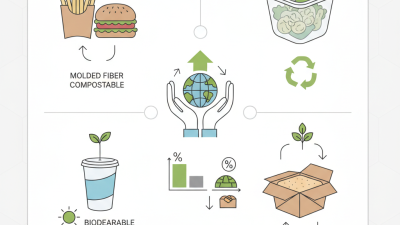
The fast food industry faces mounting pressure to improve sustainability in packaging. Many traditional materials, like plastic, contribute significantly to pollution. In response, eco-friendly options are emerging. These include biodegradable, compostable, and recyclable materials.
Transitioning to these alternatives can reduce waste and lower environmental impact.
However, the switch to sustainable packaging is not without challenges. Some materials may not hold up as well as plastics. They can also be more expensive or less accessible for suppliers. Fast food outlets need to ensure that the quality of their packaging does not compromise the customer experience. Education on proper disposal methods remains crucial in promoting recycling and composting.
Global buyers should prioritize packaging suppliers who are genuinely committed to sustainability. Certifications and transparency about material sourcing are important. Consumers often remain unaware of the environmental consequences of their choices. Increased awareness can drive demand for greener options. It’s a collective responsibility to challenge the status quo and push for impactful changes in fast food packaging.
Conclusion
The article titled "Top 10 Fast Food Container Options for Global Buyers" provides an in-depth exploration of the fast food container market, highlighting current trends and consumer preferences worldwide. It discusses the various materials commonly used in fast food packaging, emphasizing the growing demand for innovative designs that enhance user experience and product appeal. Additionally, the article examines the environmental impact of these containers, stressing the importance of sustainability in packaging practices.
Moreover, the content addresses regulatory standards and safety considerations that manufacturers must adhere to when producing fast food containers. As the industry evolves, understanding these factors is crucial for buyers seeking effective and compliant packaging solutions. Overall, the article serves as a valuable resource for anyone interested in the fast food container market and its future developments.