2026 Top Trends in Food Packaging Boxes You Need to Know?
As the world evolves, so do consumer preferences. Food Packaging Boxes have become essential in this transformation. In 2026, packaging trends will reflect a deeper understanding of sustainability, convenience, and aesthetic appeal.
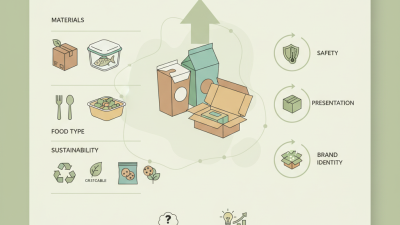
The demand for eco-friendly materials has surged. Brands now use biodegradable and recyclable options. Consumers are keen to support companies that prioritize the environment. This trend urges businesses to rethink their packaging strategies carefully.
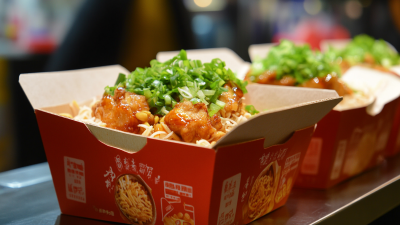
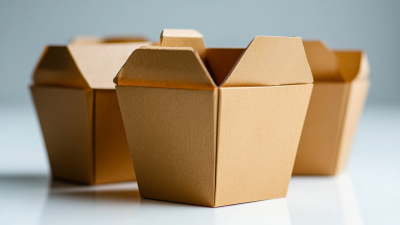
Once basic, Food Packaging Boxes now showcase creativity. Unique designs capture attention and enhance brand identity. However, challenges persist. Balancing cost and sustainability can be tricky. Companies must adapt, innovate, and reflect on their choices in this dynamic landscape.
Emerging Sustainable Materials in Food Packaging for 2026
As we approach 2026, the demand for sustainable food packaging is accelerating. A recent report from the Sustainable Packaging Coalition reveals that 82% of consumers are willing to pay more for sustainable options. This shift highlights a growing awareness of environmental issues and the impact of food packaging waste. Companies are pivoting towards biodegradable materials and recyclable solutions to meet these demands.
Emerging materials, such as mycelium and plant-based plastics, are leading the way. Mycelium, grown from fungi, decomposes within weeks, offering a viable alternative to traditional polystyrene. On the other hand, plant-based plastics are derived from renewable resources, reducing reliance on fossil fuels. However, these innovations come with challenges. The scalability of production and the cost remain significant hurdles for many businesses.
An analysis by Smithers Pira underscores that over 50% of packaging innovations will center around eco-friendly materials by 2026. Embracing these materials not only fulfills consumer demands but also boosts brand reputation. Yet, there is a need for transparency in sourcing and manufacturing. As companies rush to adopt sustainable materials, not all options are truly environmentally friendly—some may claim sustainability without rigorous proof. This uncertainty calls for critical reflection within the industry.
Innovative Designs: Enhancing Functionality and Aesthetics in Food Boxes
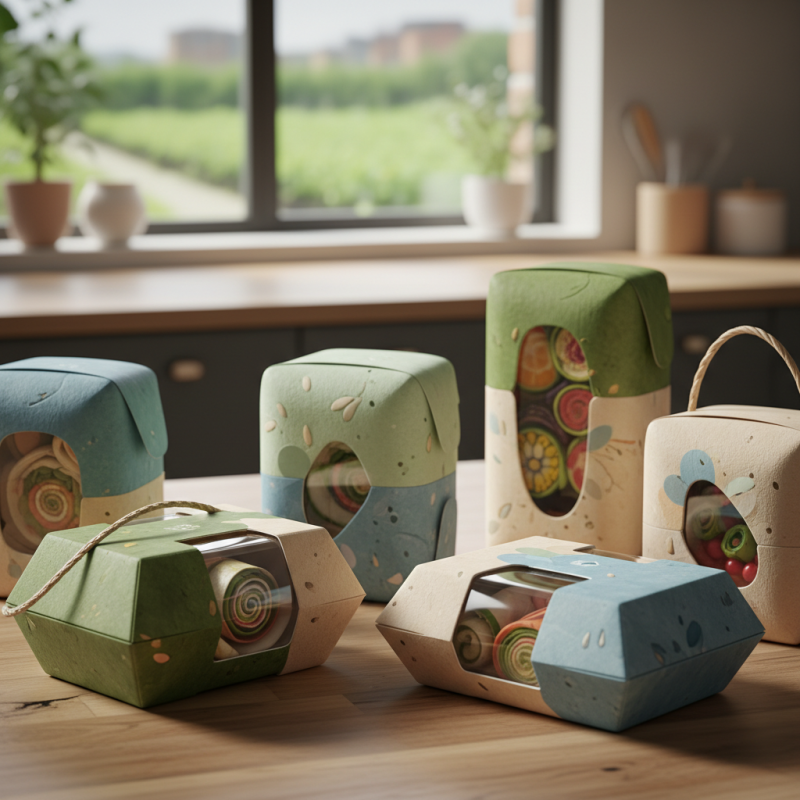
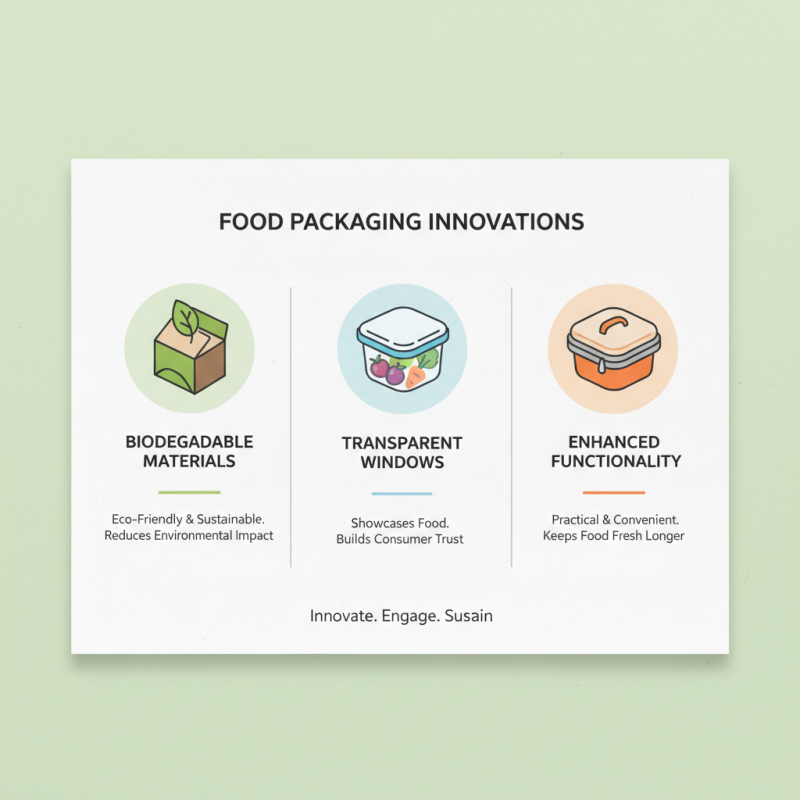
Innovative designs in food packaging are essential for enhancing functionality and aesthetics. Modern consumers appreciate packaging that is not only visually appealing but also practical. For example, biodegradable materials are gaining traction. They reduce environmental impact while maintaining product integrity. Clear windows or cut-outs can showcase the food inside. This transparency builds trust with customers.
Functionality is just as important as aesthetics. Easy-to-open packages can improve the customer experience. Resealable bags keep food fresh longer and are convenient for on-the-go consumption. However, not all designs are flawless. Some packages are difficult to open, leading to frustration. Others may lack adequate protection, compromising food safety. Analyzing these aspects is crucial for improvement.
Sustainability remains a hot topic. Consumers want eco-friendly packaging that reflects their values. Yet, some manufacturers struggle with cost-effective sustainable options. Balancing aesthetics and performance can be challenging. User feedback is invaluable in this process. Insights from real-life usage are often overlooked, but they can drive future design innovations.
Smart Packaging Technologies: The Role of IoT in Food Safety
Smart packaging technologies are transforming food safety. The Internet of Things (IoT) plays a crucial role in this transformation. Devices can now monitor temperature, humidity, and other conditions in real-time. This helps ensure food stays fresh and safe. For instance, sensors embedded in packaging can alert suppliers to temperature changes during transportation.
As consumers, we can also benefit from these advancements. Imagine scanning a QR code on a box. You could instantly access information about its freshness and origin. This transparency builds trust. However, not all products currently utilize such technology. Some still rely on outdated methods.
Tips for embracing smart packaging: Look for products with smart labels. Check for temperature indicators on perishable items. Educate yourself on the technologies available in your area. Always question if what you're buying is truly safe. These small steps can help you make better choices.
2026 Top Trends in Food Packaging Boxes You Need to Know
| Trend |
Description |
Impact on Food Safety |
Sustainability |
| Smart Packaging |
Integration of IoT sensors for real-time monitoring. |
Enhances traceability and prevents contamination. |
Typically made from recyclable materials. |
| Biodegradable Packaging |
Use of compostable materials that break down naturally. |
Reduces landfill waste and encourages safe disposal. |
Significantly improves environmental footprint. |
| Active Packaging |
Packaging that interacts with food to extend shelf life. |
Reduces spoilage and food waste. |
Often utilizes natural preservatives. |
| Reusable Packaging |
Containers designed for multiple uses to reduce waste. |
Minimizes single-use items and enhances hygiene. |
Conserves resources by reducing production of new materials. |
| Minimalist Design |
Simple packaging that emphasizes product information. |
Allows clearer communication of safety information. |
Reduces material use and waste. |
Consumer Preferences: Trends Driving Changes in Food Packaging Choices
Consumer preferences are rapidly evolving, especially in food packaging. As people become more health-conscious, the demand for sustainable options rises. Biodegradable materials are gaining popularity. Consumers want packaging that is not only functional but also environmentally friendly. Many are willing to pay more for green packaging.
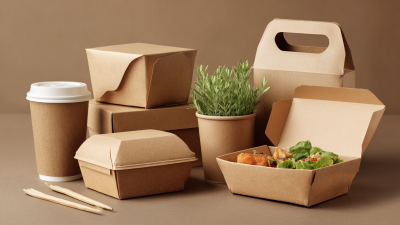
Tips: Use natural materials for your packaging. Look into compostable films and recycled paper. These choices resonate with eco-aware customers.
Another trend is the push for convenience. Busy lifestyles call for easy-to-open packages. Single-serving sizes are appealing to many. The design needs to be user-friendly. Complex packaging can frustrate consumers. They seek efficiency and speed during their shopping experience.
Tips: Prioritize simplicity in design. Ensure that labels are clear and the product is accessible. Test your packaging for ease of use before production.
Transparency is crucial too. Shoppers want to know what they are consuming. Clear labeling and ingredient visibility can build trust. Brands that communicate openly tend to attract loyal customers.
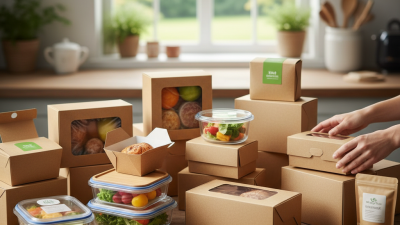
Tips: Consider using window packaging to showcase the product. This allows customers to see what they are buying. Easy-to-read labels are also essential for ingredient transparency.
Regulatory Changes Impacting Food Packaging Standards and Practices
Regulatory changes are reshaping the landscape of food packaging. As consumer safety becomes a priority, stricter standards are emerging. The global food packaging market is projected to reach $500 billion by 2026, according to recent industry reports. These changes demand compliance with new regulations focused on sustainability.
The rise of eco-friendly packaging is significant. The government has mandated the use of recycled materials in food packaging. This has increased the demand for biodegradable options. A study by Research and Markets states that the biodegradable food packaging market is expected to grow by 15% annually through 2025. Brands face challenges in balancing compliance with consumer preferences.
However, not all changes have clear guidelines. The lack of universal standards can create confusion. Companies may struggle to keep pace with various regulations across regions. To stay competitive, they must invest in research and development. Keeping up with regulations requires constant vigilance and flexibility. In this evolving landscape, adaptability is crucial yet often overlooked.